The short version
- Taras was diagnosed with blastomycosis, a dangerous fungal disease often linked to soil exposure, which carries a poor prognosis for big cats if not treated immediately.
- The lion was rescued as a cub from Ukraine during the conflict and transported to the United States in late 2022 alongside three other young lions.
- Veterinarians at the Wildcat Sanctuary initiated aggressive antifungal therapy after noticing subtle behavioral changes, allowing Taras to rejoin his pride while continuing daily medication.
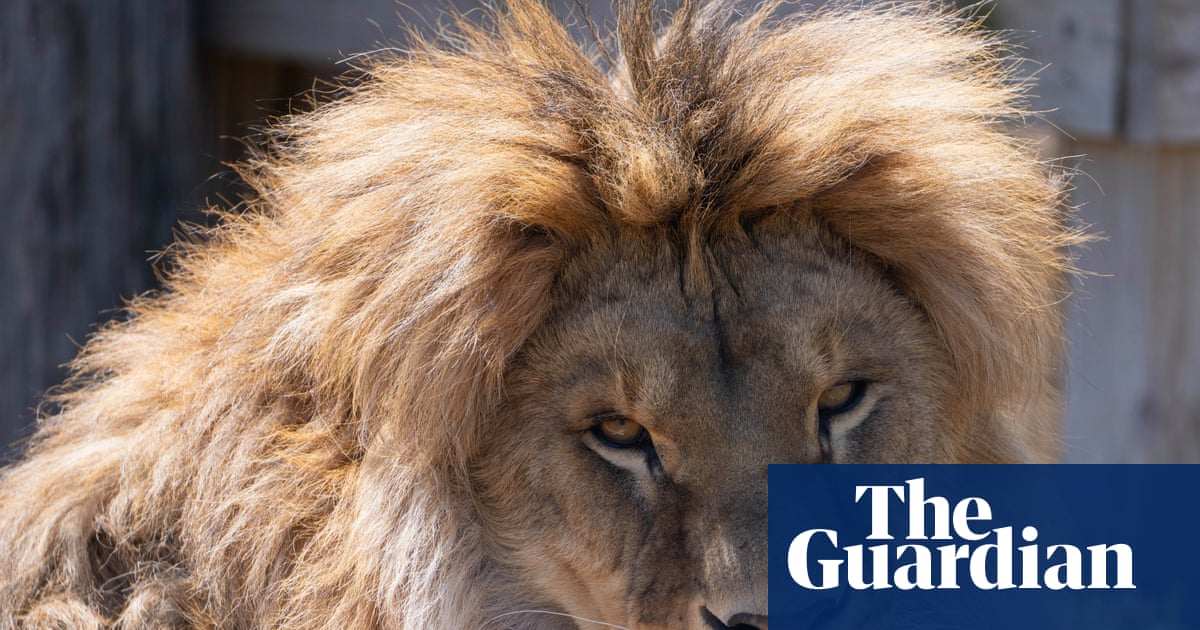
A four-year-old lion named Taras is currently undergoing intensive medical treatment for a rare and frequently lethal fungal infection at a private wildlife reserve in Minnesota. The animal, who was rescued from the conflict zone in Ukraine as an infant, had appeared healthy until May of this year when sanctuary staff observed a decline in his energy levels and appetite. These subtle signs prompted a comprehensive diagnostic process that included a lengthy transport to a specialist facility in Minneapolis for advanced imaging and tissue sampling.
The tests revealed blastomycosis, also known as Gilchrist’s disease, a non-contagious fungal infection typically contracted through contact with contaminated soil. This condition poses severe risks to both humans and animals, often proving fatal if the infection is not identified and treated in its earliest stages. The diagnosis came as a significant shock to the sanctuary team, given Taras’s previous robust health following his evacuation from Eastern Europe.
Taras’s journey to safety began in November 2022, when he was just four months old. He was discovered inside a duffel bag at a railway station in Odesa, Ukraine, along with two sisters named Lesya and Stefania. An unrelated cub from Kyiv, named Prada, was also part of this rescue group. The Wildcat Sanctuary, located near Sandstone, Minnesota, coordinated the operation with the International Fund for Animal Welfare to bring the animals to the United States.
The evacuation process involved an American veterinarian working in Kyiv during a period of sporadic missile and drone attacks. The professional transported the cubs to Poland via a thirty-six-hour land journey, where they waited for necessary import permits before crossing into the US. This rescue was described by sanctuary leadership as a miraculous escape from the chaos of war, with the animals likely having been separated from their mother shortly after birth.
The origin of these lions remains unclear, but sanctuary founder Tammy Thies suggested they were probably destined for the illegal international exotic animal trade. The outbreak of war disrupted smuggling operations, leading traffickers to abandon or dump the animals rather than attempt to move them across increasingly restricted borders. This unexpected halt in illicit activities inadvertently provided an opportunity for their rescue and relocation to a safe environment.
Upon diagnosis, Taras was placed on a rigorous treatment regimen that included twice-daily injections of high-strength antifungal medication administered through an intravenous line during the initial weeks. The prognosis was initially guarded, with specialists indicating a very low chance of survival once big cats begin showing respiratory distress associated with the disease. Early detection proved critical, as advanced stages of blastomycosis are often untreatable even with aggressive medical intervention.
Despite the severity of the condition, Taras has responded positively to the therapy and has been allowed to rejoin his pride. The reunion was carefully managed, starting with individual playdates to ensure the other lions did not bully him after his absence. The interactions were affectionate, with the group welcoming him back warmly. However, he must still be separated twice daily to prevent his companions from consuming his medicated food.
The case of blastomycosis highlights the ongoing health challenges faced by rescued wildlife, even after they have escaped immediate physical danger. While Taras continues to require oral medication and close monitoring, sanctuary staff remain cautiously optimistic about his long-term recovery. The situation underscores the complex intersection of geopolitical conflict, animal trafficking, and veterinary medicine in the care of displaced exotic species.
Sources behind this briefing
Go to the original reporting
- The Guardian World↗Lion saved as cub from Ukraine war and brought to US battles rare fungal disease

