The short version
- President Trump has organized a two-day convention in Dallas, an event type never before used by Republicans for midterm elections.
- The gathering features high-profile speakers and entertainment designed to mimic presidential nomination conventions rather than traditional legislative meetings.
- While the event aims to energize the base, some candidates in competitive races have declined to attend or remain undecided about participation.
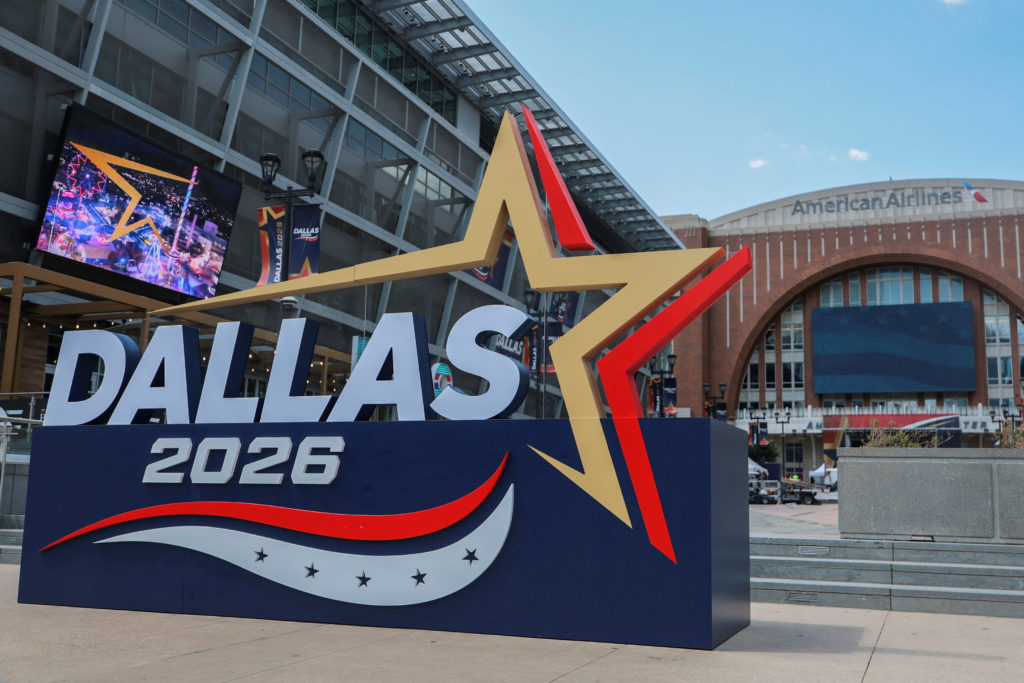
Republicans are convening in Dallas for a two-day political gathering that marks a significant departure from historical party norms. President Donald Trump initiated the event to mobilize supporters ahead of this year's midterm elections, seeking to replicate the spectacle typically reserved for presidential nomination cycles. The convention includes dramatic elements such as a balloon drop, signaling an intent to create a high-energy atmosphere rather than a standard legislative assembly. This approach reflects a strategy to inject enthusiasm into the electoral process at a time when the party in power often faces voter fatigue.
The decision to hold a midterm convention is unprecedented for the Republican Party, although Democrats utilized similar gatherings during the 1970s and 1980s. Unlike traditional conventions where delegates formally nominate candidates, this event will not involve any nominations, as primary contests have already determined the nominees. Instead, the gathering functions more like a large-scale rally open to the public. Trump has explicitly encouraged supporters to treat the event with the same urgency as a presidential election, urging them to vote as if he were on the ballot. This framing underscores his belief that personal endorsement and visibility can drive turnout among his base.
Organizers have structured the program to highlight the first two years of Trump’s presidency, despite recent polling indicating a decline in his approval ratings. The administration argues that showcasing its legislative achievements offers the strongest path to victory in November. Key policy areas featured include immigration enforcement, efforts to reduce prescription drug costs, and the implementation of sweeping tax cuts and spending measures passed last year. Speakers are expected to emphasize these accomplishments while simultaneously advancing partisan critiques of Democratic opponents, often employing rhetoric that characterizes the opposing party as radical or communist.
The speaker lineup includes prominent figures from Trump’s cabinet and inner circle, such as Health Secretary Robert F. Kennedy Jr., Treasury Secretary Scott Bessent, and Attorney General Todd Blanche. Vice President JD Vance is scheduled to address the crowd on Thursday, followed by remarks from the president. Other notable participants include House Speaker Mike Johnson, Texas Senator Ted Cruz, and former White House press secretary Karoline Leavitt. The inclusion of these high-ranking officials signals the administration’s commitment to using the platform for broad messaging rather than focusing solely on local campaign needs.
Despite the high-profile nature of the event, participation among lawmakers in competitive districts has been mixed. More than 100 Republican House members and candidates are expected to attend, having paid $25,000 for tickets and lodging, a cost described as typical for political conventions. However, several legislators facing tight races have indicated they will not attend or have yet to finalize their plans. This hesitation suggests that some candidates may view the event as less critical to their individual campaigns than direct voter outreach in their home districts.
A significant portion of the convention’s focus is directed toward Ken Paxton, the Republican Senate candidate in Texas. Trump has thrown his support behind Paxton, a move that surprised many given the incumbent Senator John Cornyn’s previous standing and Paxton’s history of legal controversies. By endorsing Paxton, Trump has positioned him as a more viable opponent for Democrats in a conservative state. The president has publicly defended Paxton, describing him as a good man, and organizers have indicated that securing his election is a primary objective of the Dallas gathering.
The event’s format is designed for digital consumption, with organizers planning more than 50 speakers or presentations each night. Many remarks are kept brief to maintain a fast pace suitable for online sharing and social media engagement. Everyday Americans are also scheduled to appear on stage, sharing personal anecdotes about how they have benefited from the administration’s policies. This strategy aims to humanize political achievements and create shareable content that can extend the reach of the convention beyond those physically present in Dallas.
Trump has promised extensive entertainment, referring to the gathering as a rally unlike any other. The emphasis on spectacle and rapid-fire messaging reflects a broader shift in how political parties engage with voters in the digital age. By blending traditional convention elements with rally-style energy, the Republican Party is testing whether such an approach can effectively counteract midterm fatigue. The success of this experiment will likely be measured not only by immediate media coverage but also by its impact on voter turnout and enthusiasm in the weeks leading up to November.
As the convention unfolds, observers will watch how the administration balances national messaging with support for down-ballot candidates. While the event showcases Trump’s agenda, it also serves as a platform for various Senate and House hopefuls across the country. The interplay between presidential branding and local campaign needs may reveal tensions within the party strategy. Ultimately, the Dallas gathering represents a bold attempt to redefine midterm politics by leveraging the president’s personal influence and media savvy to drive electoral outcomes.
The outcome of this unconventional approach remains uncertain. While Trump believes that running on his record and generating excitement will benefit Republicans, critics point to sagging poll numbers as a potential liability. The convention’s ability to translate enthusiasm into votes will depend on how effectively the messaging resonates with undecided voters and whether the spectacle overshadows substantive policy discussions. As the event concludes, the Republican Party will assess whether this new model offers a sustainable advantage for future midterm elections.
Sources behind this briefing
Go to the original reporting
- PBS NewsHour↗What to watch as Republicans gather in Dallas for Trump's unusual midterm convention

