The short version
- Senator John Kennedy suggested that using public funds for presidential promotion likely violates existing legal prohibitions against partisan activity by government employees.
- The White House has distributed advertisements featuring President Trump during major sporting events and news broadcasts, labeling them as public service announcements paid for by the US government.
- Critics point out that one of the aired spots was originally produced for a 2024 election campaign and previously solicited private donations from supporters.
A growing controversy over federal spending has emerged as the White House expands an advertising campaign featuring President Donald Trump in the weeks leading up to the November midterm elections. The initiative, which the administration characterizes as public service announcements, has drawn sharp criticism from within the president’s own party. Senator John Kennedy of Louisiana, a Republican, publicly questioned the propriety and legality of using taxpayer money to broadcast political messaging that promotes the president’s agenda.
During an interview on CBS News, Kennedy addressed the issue after being reminded of his previous condemnation of former Homeland Security Secretary Kristi Noem for spending millions on personal promotional ads. When asked about the new spots featuring Trump, Kennedy stated that no public official should use government funds for private self-promotion. He acknowledged that while the White House may view these broadcasts differently, he believes there ought to be a rule against such spending, adding that such a rule probably already exists.
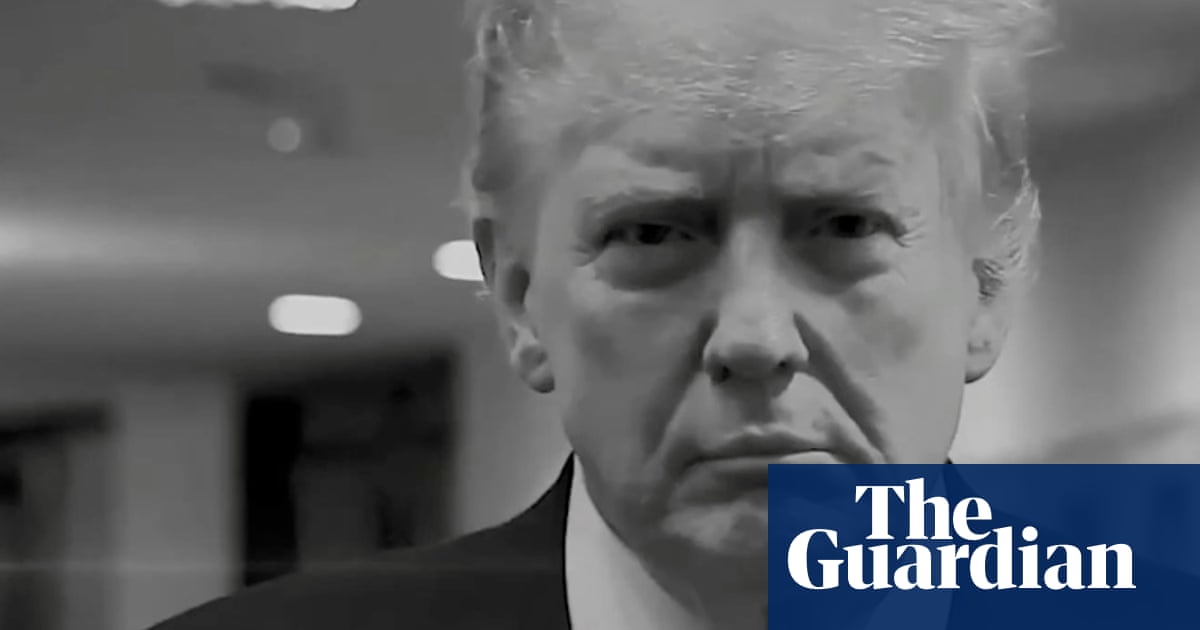
The advertisements in question have been airing on major broadcast and cable networks, including during high-profile college football games and Sunday news programs. One thirty-second spot features President Trump staring into the camera with black-and-white imagery, accompanied by audio from past campaign rallies. The message includes promises to dismantle the deep state, expel warmongers, and drive out globalists and communists. The ad concludes with a disclaimer stating it is paid for by the US government.
Legal experts and political opponents have raised concerns that these broadcasts may violate the Hatch Act, which prohibits federal employees from engaging in partisan political activities. Democratic Congressman Jamie Raskin has argued that any government workers involved in producing or distributing these ads could be committing felonies. The use of campaign rally audio, including crowd cheers recorded before Trump assumed office, further blurs the line between official government communication and partisan electioneering.
Compounding the controversy is the origin of one of the primary advertisements being used. This specific spot was originally created for Trump’s 2024 presidential campaign and was posted on his Truth Social account in previous years with requests for financial support from donors. It was also displayed on large screens during the 2024 Republican National Convention, where C-SPAN identified it as material provided by the Republican National Committee rather than a government entity.
The visual content of the ads includes on-screen text highlighting Trump’s political agenda and suggesting that Democratic opponents are communists. The narrative framing echoes biblical imagery, specifically referencing Jesus driving merchants from the temple, which appears calculated to resonate with Christian voters. The juxtaposition of this partisan rhetoric with the label of public service announcement has sparked debate over the appropriate use of federal resources during an election cycle.
Senator Kennedy’s comments represent a notable break in party unity regarding the administration’s communication strategy. By tacitly admitting that such spending is likely illegal, he has opened the door for further scrutiny from oversight bodies and legal challenges. The senator also expressed opposition to naming public buildings after living politicians, noting that his home state of Louisiana already has statutes prohibiting this practice.
As the midterm elections approach, the tension between official government messaging and partisan campaigning continues to intensify. The White House maintains that these broadcasts serve an informational purpose for the public, while critics argue they constitute unauthorized electioneering. The situation highlights broader questions about the boundaries of executive power and the ethical use of taxpayer funds in a highly polarized political environment.
Observers are now watching to see if Kennedy will introduce legislation or formal inquiries to address these concerns. The outcome could set important precedents for how future administrations handle public communications during election periods. Until then, the ads continue to air, leaving voters and lawmakers to grapple with the distinction between government information and political promotion.
The debate underscores the fragility of norms surrounding federal spending in modern politics. With no immediate resolution in sight, the issue remains a focal point for both parties as they navigate the final stretch of the campaign season. The potential legal ramifications could extend beyond this election cycle, influencing how public officials manage their communications in the future.
Sources behind this briefing
Go to the original reporting
- The Guardian US Politics↗Republican senator criticizes White House for taxpayer-funded Trump ads