The short version
- Republican Jim Desmond criticized President Trump for suggesting American cities are acceptable casualties in a conflict with Iran, marking a rare intra-party rebuke.
- The White House defended the remarks as a rhetorical device emphasizing that U.S. military action has neutralized Iranian nuclear and naval capabilities.
- California officials and mayors condemned the comments as dangerous rhetoric, highlighting the strategic military importance of both Los Angeles and San Diego.
A rare fracture within the Republican Party emerged this week after President Donald Trump suggested at a Nebraska rally that Iran could destroy major California cities. The remarks drew immediate condemnation from Democratic leaders across the state and prompted an unusual public rebuke from Jim Desmond, a Republican candidate for the U.S. House of Representatives in San Diego. Desmond, a former mayor and Navy veteran, argued that the president’s comments undermined the fundamental duty to protect American citizens.
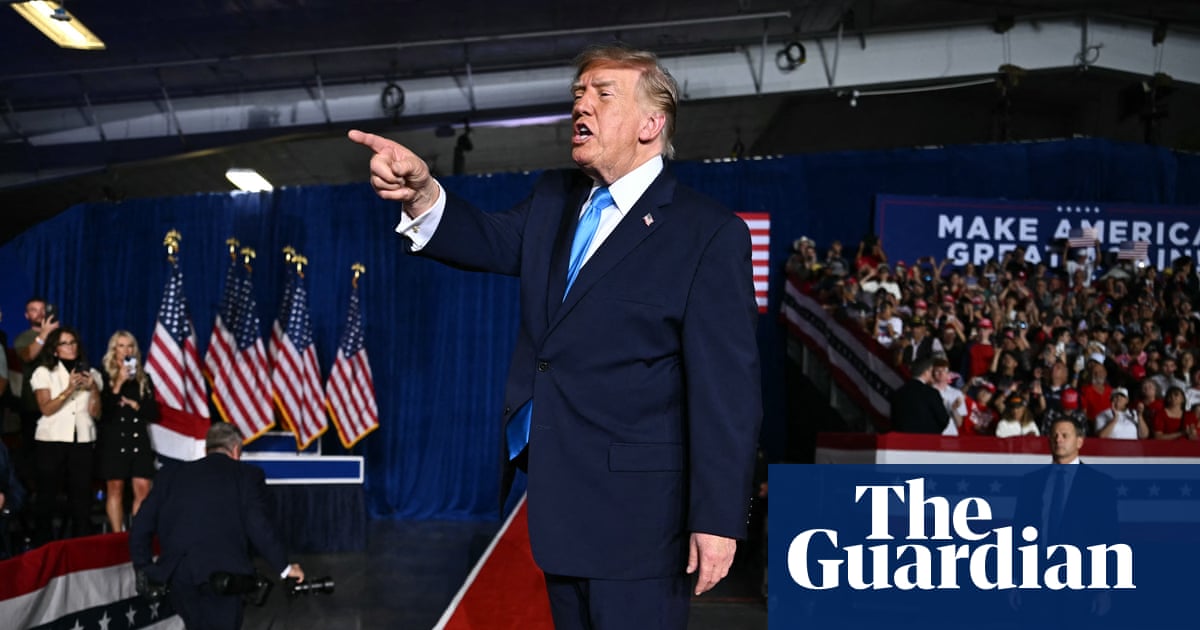
During the campaign event, Trump addressed the economic costs associated with the ongoing conflict with Iran, describing high prices as a minor sacrifice for national security. He then stated that hostile actors could eliminate urban centers, specifically naming Los Angeles and San Diego, before adding that they should be allowed to do so. Sections of the audience applauded the comments, which were quickly captured and circulated by media outlets and political opponents.
Desmond’s response highlighted a growing tension between the administration’s aggressive foreign policy stance and the concerns of some Republicans regarding domestic security rhetoric. He stated that his service in the military was dedicated to safeguarding Americans rather than treating their cities as expendable assets in geopolitical struggles. As a candidate in a competitive district reshaped by recent redistricting efforts, Desmond’s criticism carries significant weight for a party holding a narrow majority in the lower chamber of Congress.
The White House moved swiftly to defend the president’s language, characterizing the backlash as a media-driven distortion of his intent. Communications Director Steven Cheung asserted that Trump was emphasizing the success of U.S. efforts to dismantle Iran’s nuclear program and military infrastructure. According to the administration, the remarks were meant to illustrate that American cities are currently safe because Iran no longer possesses the means to launch such attacks.
Despite these clarifications, criticism from California officials remained sharp and widespread. Governor Gavin Newsom labeled the comments as dangerous and unfit for a leader, while Los Angeles Mayor Karen Bass described them as an encouragement of violence against American lives. San Diego Mayor Todd Gloria echoed these sentiments, insisting that his city should not be treated as collateral damage in rhetorical exercises about war.
The strategic significance of the targeted cities likely amplified the outrage among local leaders. Both Los Angeles and San Diego host critical U.S. military installations, including major Navy ports, Air Force bases, and training centers for special operations forces. San Diego is home to the Pacific Fleet headquarters and Marine Corps Base Camp Pendleton, while Los Angeles houses key Space Force and Air Force command centers. Critics argued that referencing these hubs as potential targets trivialized their role in national defense.
Supporters of the president dismissed the controversy as a politically motivated overreaction. Blake Marnell, a San Diego resident and Trump supporter who attended the Nebraska rally, defended the comments as appropriate for a campaign setting aimed at energizing the base. He suggested that opponents were exaggerating the significance of the remarks to create a scandal, predicting that public attention would fade quickly.
The incident adds to a series of public clashes between Trump and California leadership, including previous disputes over wildfire response and immigration protests. While the White House maintains that its military actions have secured the nation against Iranian threats, the rhetoric used to describe those successes continues to generate debate about the boundaries of acceptable political discourse during wartime.
As the election cycle intensifies, the divide between the administration’s framing of national security victories and the concerns of local officials regarding civilian safety remains unresolved. The Republican candidate’s willingness to publicly challenge the president on this issue signals potential vulnerabilities within the party’s coalition, particularly in districts where military families and veterans hold significant influence.
Observers note that while the White House insists the threat from Iran has been neutralized, the language used by the president continues to provoke anxiety among constituents in coastal cities. The coming weeks will likely see further scrutiny of how campaign rhetoric intersects with national security policy, as both parties seek to define the stakes of the ongoing conflict for voters.
Sources behind this briefing
Go to the original reporting
- The Guardian US Politics↗Trump’s suggestion to ‘take out’ LA or San Diego draws Republican rebuke
- BBC World↗White House defends Trump comment to let Iran 'take out' LA and San Diego