The short version
- The university report states that staff recommended moving the event indoors but the organizer insisted on an outdoor location.
- Key security decisions were deferred to the political group, limiting the school's ability to manage crowd size and access control.
- University leadership pledged to implement recommendations while the victim's family prepares wrongful death litigation against the institution.
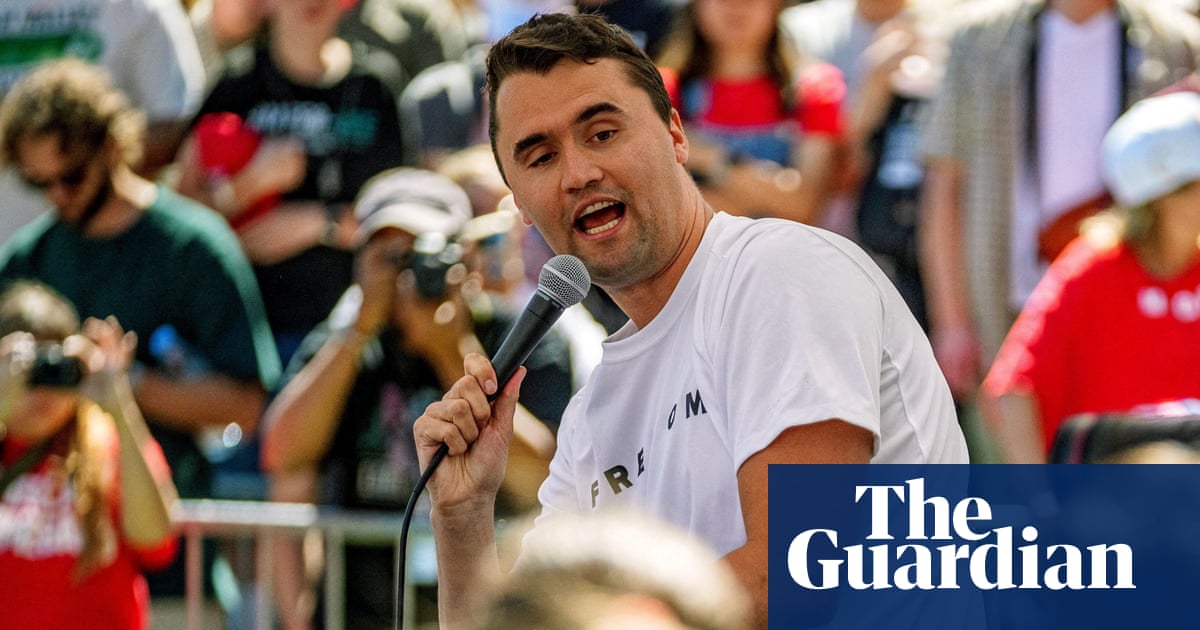
An independent investigation into the fatal shooting of conservative activist Charlie Kirk at Utah Valley University has concluded that campus officials surrendered critical security authority to the event organizer. The report, commissioned by the university and released on Friday, details how staff members raised concerns about safety protocols weeks before the September 2025 incident. Despite these warnings, Turning Point USA maintained control over key logistical decisions, including the selection of an outdoor venue that investigators described as difficult to secure.
The review highlights a specific failure in communication between university police and the organization’s protection team. Campus leadership had recommended relocating the talk to a more secure setting, but the political group insisted on holding the event at the Hall of Flags, an open pedestrian walkway. The report notes that this choice created significant challenges for protective operations. Furthermore, a scheduled face-to-face briefing between the university police chief and the organization’s security supervisor did not take place, leaving coordination gaps in the hours leading up to the tragedy.
Investigators found that the university also lacked reliable data on expected attendance because Turning Point USA controlled ticketing but failed to provide estimated figures. This deficiency limited the school’s ability to monitor crowd dynamics or adjust security measures accordingly. The report emphasizes that deferring these decisions to external representatives compromised the institution's capacity to ensure campus safety. It explicitly states that the university should have retained decision-making power over venue selection, access control, and other conditions necessary for a secure environment.
Despite identifying these procedural failures, the review cleared university employees of bad faith or willful disregard for safety. The findings suggest that while individual staff members acted appropriately by raising concerns, systemic issues in policy and authority delegation contributed to the vulnerability of the event. The document serves as an internal accountability measure, aiming to clarify where institutional responsibilities were neglected during the planning phase.
University President Jon Anderson acknowledged the findings in a statement released alongside the report. He emphasized the need for humility and honest examination of current policies. Anderson noted that the institution has made progress in strengthening campus safety over the past year but committed to following through on the review’s recommendations. His remarks framed the incident as a learning opportunity rather than an admission of criminal negligence, focusing on future improvements in security protocols.
In contrast, the family of Charlie Kirk rejected the university’s characterization of events. Brett Parkinson, an attorney representing the family, argued that the institution assumed full responsibility for the safety of all attendees by hosting the event. He asserted that accountability lies with university leadership and law enforcement, describing the outdoor setup as placing a controversial figure in a vulnerable position surrounded by elevated observation points. The family has filed a legal notice alleging wrongful death, signaling an intent to pursue civil litigation against the university.
The criminal case against Tyler Robinson, who has been charged with aggravated murder in connection with the shooting, remains separate from these institutional findings. Robinson has pleaded not guilty, and no trial date has been set. The independent report does not address the motives or actions of the shooter but focuses exclusively on the security procedures and decision-making processes employed by the university and the event organizer.
As the university moves forward with implementing safety reforms, the tension between institutional liability and external organizer control remains a central issue. The case underscores broader questions about how educational institutions manage high-profile political events on campus. With the family pursuing legal action and the university pledging policy changes, the aftermath of the shooting continues to shape discussions around campus security standards and the division of responsibility in public gatherings.
The release of this 158-page document provides a detailed account of the breakdowns that preceded the violence. It serves as both a corrective measure for the university and a focal point for ongoing legal disputes. While the report absolves individual staff of malicious intent, it firmly establishes that structural failures in security management contributed to the conditions under which the shooting occurred.
Sources behind this briefing
Go to the original reporting
- The Guardian World↗Turning Point USA knew of security concerns yet insisted Charlie Kirk speak outdoors, report says