The short version
- Fighting between Houthi forces and government troops has displaced over 130,000 people in recent weeks.
- Schools in Taiz have closed due to missile strikes and ongoing clashes, interrupting education for hundreds of students.
- Severed supply routes have driven up food prices, forcing families to rely on child labor for survival.
A fragile period of stability in Yemen has collapsed following a renewed military offensive by Iran-aligned Houthi rebels against Saudi-backed government forces. The escalation, which began in September, has rapidly altered the security landscape in southwestern regions, particularly around the city of Taiz. After four years of relative calm maintained by a United Nations-mediated ceasefire that largely froze frontlines since 2022, combatants are now engaging in intense battles for strategic highlands and supply lines.
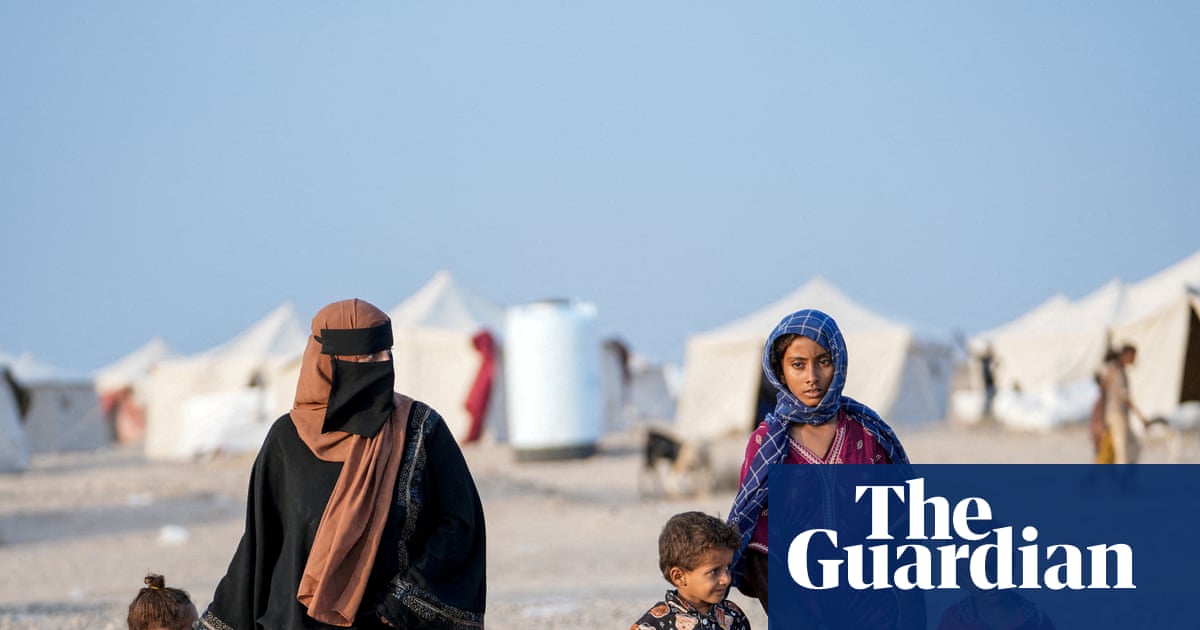
The human cost of this resurgence is immediate and severe. More than 130,000 civilians have been displaced from their homes as fighting intensifies. Families are fleeing airstrikes, missile launches, and ground clashes, often arriving at displacement camps with nothing but the clothes on their backs. The speed of the Houthi advance has caught many residents off guard, forcing them to abandon livestock and possessions in a hurried retreat toward safer areas.
Education systems in the region have effectively ground to a halt. Schools that had remained open to provide a sense of normalcy for children are now closing their doors due to direct threats from nearby combat. In Taiz, a missile strike near a school caused widespread panic and psychological trauma among students, leading administrators to suspend classes indefinitely. The principal of one local school noted that the chaotic environment, with fighting occurring on multiple fronts, makes it impossible to resume educational activities safely.
The interruption of schooling is pushing children into economic survival roles. With families displaced and resources scarce, parents are increasingly relying on their sons and daughters to generate income. Thirteen-year-old Muneer Farie, who previously balanced farming duties with his studies, now sells socks and other small goods in markets near his displacement camp. He represents a growing number of youth whose academic aspirations have been replaced by the immediate necessity of securing food and water.
This crisis adds to a long-standing educational deficit in Yemen. Prior to this month’s escalation, more than 3.2 million children had already missed out on schooling due to the country’s prolonged civil war. The current fighting threatens to deepen this gap, with educators fearing that many displaced students will be permanently forced into child labor rather than returning to classrooms once hostilities subside.
Logistical disruptions are compounding the humanitarian emergency. The conflict has severed the main road connecting the Houthi-controlled port city of Mocha to government-held Taiz. This route is critical for commerce, serving as one of the few arteries wide enough to accommodate large trucks and passenger buses. Its closure has restricted the flow of essential goods into Taiz, causing prices for basic commodities to rise sharply.
Residents in Taiz are feeling the economic pinch acutely. Local businesses and households report that meat and other nutritious foods are becoming unaffordable or unavailable, forcing people to switch to cheaper alternatives. The disruption affects not only displaced families but also those who have managed to remain in their homes. The breakdown of supply chains highlights how military escalation directly impacts civilian livelihoods and food security.
Travel restrictions have also tightened, isolating communities further. Expatriates working abroad can no longer take direct routes back to Yemen, mirroring the isolation seen during the early years of the war. As new displaced persons arrive daily at camps, the strain on limited resources continues to grow. While some residents hope for a temporary respite, the persistent arrival of refugees and ongoing combat suggest that stability remains distant.
The situation in Taiz serves as a microcosm of the broader deterioration in Yemen. The collapse of the ceasefire has not only reignited violence but also dismantled the social and economic structures that had slowly rebuilt over the past four years. Without a diplomatic breakthrough or renewed security guarantees, the cycle of displacement, educational loss, and economic hardship is likely to persist, deepening the humanitarian crisis for millions of Yemenis.
International observers and local aid workers are monitoring the rapid changes with concern. The shift from static frontlines to active maneuvering warfare poses new challenges for humanitarian access and civilian protection. As fighting continues to displace populations and disrupt essential services, the long-term impact on Yemen’s social fabric and future generations remains a critical uncertainty.
Sources behind this briefing
Go to the original reporting
- The Guardian World↗Children forced to give up school for work as fighting upends daily life in Yemen

