The short version
- Regulators have issued a six-week deadline for South West Water to submit a concrete plan for reducing pipe leakage, citing seven years of missed targets.
- Severe drought conditions persist across parts of Devon, Cornwall, and surrounding counties, with reservoir levels critically low and rainfall deficits requiring significant recovery time.
- Local officials criticize the utility for prioritizing shareholder dividends while failing to maintain infrastructure, arguing that unchecked leaks threaten both customer supply security and environmental health.
Regulatory bodies in the United Kingdom have issued a stern warning to South West Water, demanding an immediate action plan to address chronic pipe leakage that is compounding severe drought conditions. The joint letter from Ofwat, the Environment Agency, and the Department for Environment, Food and Rural Affairs states that the utility’s failure to meet reduction targets for seven consecutive years has placed customers at heightened risk of supply interruptions. With approximately 82 percent of England still classified as being in drought, regulators argue that the company’s operational shortcomings are unacceptable given the current environmental pressures.
The urgency stems from a combination of prolonged dry weather and infrastructure neglect. South West Water serves 1.8 million people across the southwest of England, yet it loses an estimated 113.5 million liters of water daily through its network. This volume, equivalent to roughly 45 Olympic-sized swimming pools, represents a leakage rate 18.5 percent above forecast levels and has increased by 5.7 million liters per day compared to the previous year. Regulators emphasize that this rising trend directly undermines the security of supply for households and businesses in the region.
The geographic impact is concentrated in areas already suffering from critical water shortages. Severe drought declarations remain active in parts of Devon, Cornwall, Dorset, Somerset, East Sussex, and West Sussex. Approximately 325,000 people and thousands of businesses in Exeter and mid-to-east Devon face the prospect of regular supply cuts over the coming months. Such disruptions could lead to school closures and significant economic losses for local enterprises. The Met Office has indicated that the region requires rainfall at 120 percent of typical levels over a seven-month period to fully recover from the drought, a threshold that remains distant given current conditions.
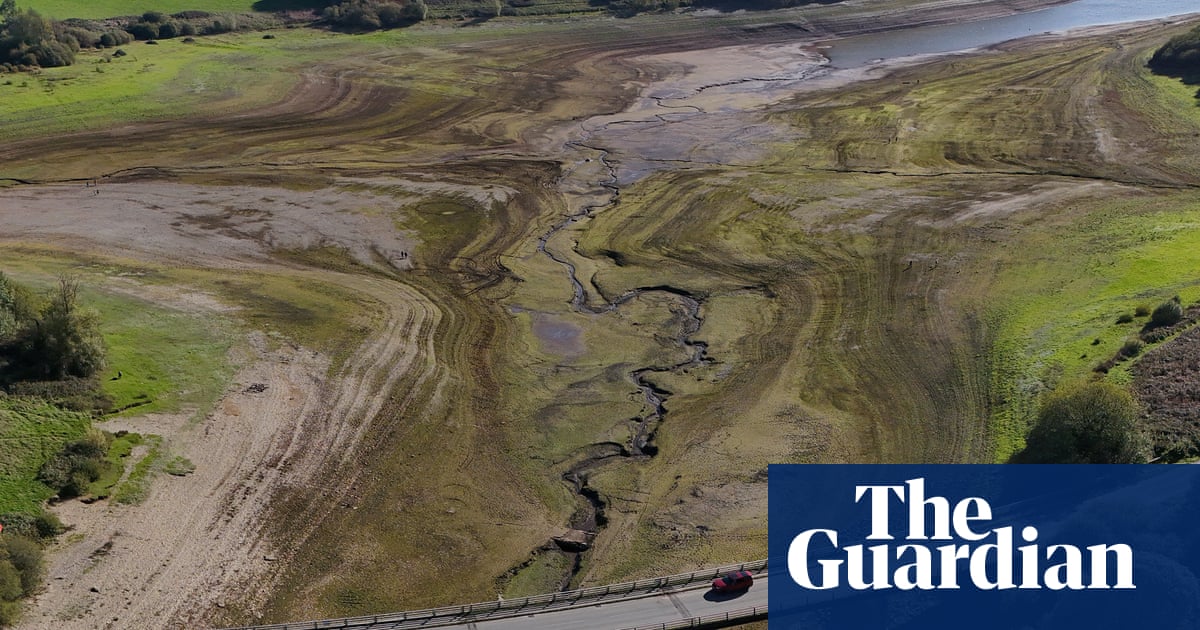
Reservoir levels in key areas have dropped to alarming lows. Storage at Wimbleball Reservoir, which supplies customers in east Devon, north Devon, Somerset, and west Dorset, as well as Wessex Water customers in west Somerset, stands at just 16 percent. Smaller reservoirs serving homes in Devon and Cornwall are also under scrutiny. The regulators’ letter notes that the company’s inability to control leakage has eroded confidence in its capacity to manage supplies without resorting to emergency water abstractions from rivers, a practice that would cause further environmental damage to already stressed ecosystems.
Local political leaders have expressed frustration with the utility’s long-standing performance issues. Julian Brazil, leader of Devon County Council, highlighted the disparity between customer sacrifices and corporate behavior. He noted that while residents have been urged to conserve water to avoid stricter restrictions, the company has continued to lose nearly one in every five liters of water on its network. Brazil pointed out that customers in the region have paid some of the highest water bills in the nation since 1989, yet the company has simultaneously polluted bathing waters and distributed billions in dividends to shareholders.
South West Water has responded by urging households in affected areas to reduce their water usage to help stabilize supplies. Richard Stanbrook, the company’s drought programme director, stated that recent rainfall has had a positive impact on resources, offering some relief after months of exceptional dryness. However, he acknowledged that pressure on supplies remains significant and that sustained rainfall is necessary to replenish rivers and reservoirs for a lasting recovery. The company claims it is actively repairing leaks and moving water around its network to strengthen supply security.
Despite these assurances, regulators do not accept the company’s current trajectory as sufficient. The joint letter explicitly states that achieving planned leakage reductions is reputationally critical, especially while the company asks customers to cut their own consumption. The failure to tackle leakage is viewed not just as an operational inefficiency but as a direct threat to public trust and environmental sustainability. Regulators have given South West Water six weeks to report back with a detailed plan to address these deficiencies.
This regulatory intervention coincides with broader government efforts to reform water management in the UK. The government has announced the creation of eight new regional water councils designed to bring together local leaders, customers, and businesses. These bodies will help set priorities for water companies and shape billions of pounds in investment for water and flood infrastructure. Local leaders are expected to submit proposals for running these new entities by the end of the year, signaling a shift toward greater local oversight and accountability in the sector.
The situation underscores the growing tension between climate-induced scarcity and infrastructural decay. As drought conditions persist, the ability of utilities to maintain efficient networks becomes increasingly vital. The regulators’ warning serves as a clear signal that past performance will no longer be tolerated, particularly when public health and environmental stability are at stake. The coming weeks will test South West Water’s capacity to deliver on its commitments and restore confidence in its management of regional water resources.
For now, residents in the southwest must continue to navigate uncertain supply conditions. While the company points to minor improvements from recent rain, the structural issues of leakage and low reservoir levels remain unresolved. The six-week deadline for an action plan marks a critical juncture, with regulators poised to enforce stricter measures if the utility fails to demonstrate meaningful progress. The outcome will likely influence broader policy discussions on water security and corporate responsibility in the face of climate change.
Sources behind this briefing
Go to the original reporting
- The Guardian World↗South West Water’s failure to fix leaks ‘putting customer supplies at risk’


