The short version
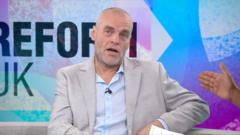
- Tim Montgomerie, a political commentator who joined Reform UK in 2024, has had his membership suspended following public criticisms of senior party figures.
- Montgomerie plans to appeal the decision, framing it as a test case for whether the party can tolerate dissent and free speech among its members.
- The suspension occurred after Montgomerie criticized Nigel Farage’s tone regarding a recent by-election and described another senior figure as acting immaturely in politics.
Reform UK has suspended Tim Montgomerie, a prominent political commentator who defected from the Conservative Party to join the group in 2024. The suspension follows a series of public remarks by Montgomerie in which he criticized senior party figures, including leader Nigel Farage and Zia Yusuf. Montgomerie has stated that he intends to fight the decision, arguing that his case will serve as a critical test of whether Reform UK can accommodate internal dissent and free expression.
The immediate trigger for the disciplinary action appears to be a podcast interview published on Tuesday, in which Montgomerie suggested that Zia Yusuf needed to become more of a team player and should not behave like a child in political matters. It is understood that the party moved to suspend him after the recording was made but before the episode was released to the public. This timing suggests the leadership acted swiftly to address comments they deemed unacceptable, even if those comments had not yet reached a wide audience.
Prior to the podcast incident, Montgomerie had expressed frustration with Nigel Farage’s demeanor following last week’s Clacton by-election. In an interview with BBC Newsnight on Friday, he described Farage’s tone as aggrieved. These remarks, combined with his earlier self-identification as a critical friend of the leadership, indicate a shift in how the party views Montgomerie’s role. What was once seen as constructive criticism is now being treated as a violation of party rules.
Montgomerie has framed his appeal as a matter of principle rather than just personal grievance. He told Newsnight that he wants to remain in Reform UK because he believes the party can reach voters in parts of the country that the Conservative Party never will. He emphasized that leaving the Conservatives was not a decision he made lightly, implying that his commitment to Reform is genuine despite the current conflict. By positioning himself as a defender of free speech within the party, he aims to draw attention to broader issues of internal democracy.
In a video statement posted on X after news of the suspension broke via the Guido Fawkes website, Montgomerie insisted that his criticisms were intended to make the party better and stronger. He claimed that Nigel Farage was unaware of the decision to suspend him, suggesting a disconnect between the leader and other senior figures enforcing discipline. Montgomerie also noted that he had warned Farage upon joining the party that he would occasionally be critical, drawing parallels to his previous role running the ConservativeHome website where he frequently challenged Tory leadership.
The party has defended its actions by stating that the suspension was carried out in accordance with its internal rules following public criticism. This stance underscores a zero-tolerance approach to dissent from members who are expected to support the leadership publicly. The incident raises questions about the balance between maintaining party unity and allowing for open debate among members, particularly those who bring significant media profiles and political experience.
Montgomerie’s suspension comes at a time when Reform UK is navigating increased scrutiny and internal pressures. The party recently faced a renewed watchdog probe following its victory in the Clacton by-election, adding to the complexity of its public image. Leadership decisions regarding member discipline may be influenced by these external pressures, as well as the desire to present a unified front during periods of heightened political activity.
The outcome of Montgomerie’s appeal will likely set a precedent for how Reform UK handles future instances of internal criticism. If the suspension is upheld, it could signal a tightening of control over member speech and behavior. Conversely, if it is rescinded, it might indicate a willingness to tolerate dissent from high-profile members. The leadership must weigh the political costs of either decision, considering both the potential backlash from supporters who value free expression and the need to maintain discipline within the party ranks.
As the situation develops, observers will be watching to see how other members react to the suspension. Montgomerie’s status as a defector from the Conservatives gives him a unique perspective on party dynamics, and his ability to rally support within Reform UK could influence the final outcome. The incident highlights the challenges faced by newer political movements in establishing norms for internal communication and conflict resolution.
Ultimately, this dispute reflects broader tensions within right-wing politics regarding the role of individual voices versus collective party strategy. Montgomerie’s determination to fight his suspension suggests that he views this as a defining moment for Reform UK’s identity. Whether the party chooses to prioritize unity or openness will have lasting implications for its culture and its ability to attract diverse talent in the future.
Sources behind this briefing
Go to the original reporting
- BBC News↗Suspended Reform UK member vows to fight to remain in party

