The short version
- Reform UK leadership has acknowledged gaps in its vetting processes following multiple incidents involving candidates with serious criminal allegations or controversial pasts.
- The party’s rapid growth has outpaced the development of robust internal screening mechanisms, leading to reliance on candidate honesty rather than rigorous background checks.
- Critics and rival parties point to a lack of transparency in how Reform evaluates potential members, raising concerns about accountability and reputational risk.
Reform UK is confronting intensified scrutiny over its candidate selection procedures after a series of incidents involving party members with serious legal issues or controversial histories. The challenges have drawn public attention to the difficulties the organization faces in professionalizing its operations while expanding at an unprecedented rate. Internal structures appear to be struggling to keep pace with the demands of managing a growing political entity, resulting in lapses that have damaged the party’s standing.
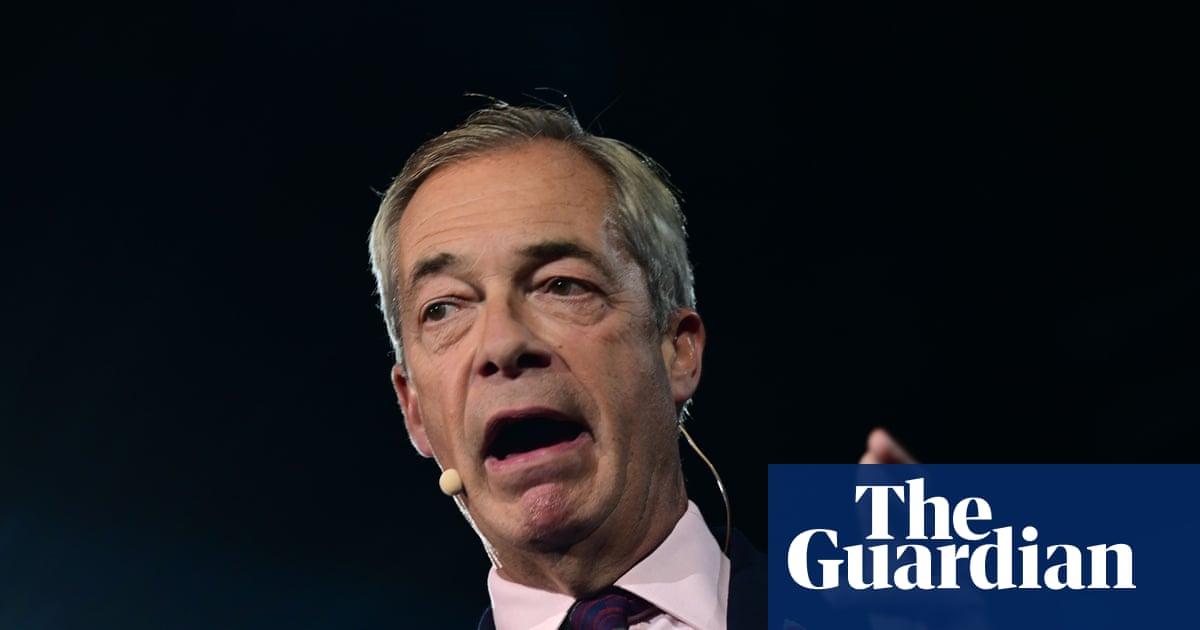
Nigel Farage, the party’s leader, recently addressed reporters regarding these issues with visible frustration. When questioned about why a Reform councillor arrested in January for multiple alleged sexual offenses remained in his role nearly ten months later, Farage stated he had only learned of the situation the previous day and expressed dissatisfaction. He also criticized media coverage, suggesting that similar wrongdoing in other political parties receives less attention, though the severity of the charges against the Reform member—including twelve allegations of rape—has drawn significant public interest.
The case of George Madgwick, who served as Reform’s leader on Hampshire county council, underscores the gravity of the situation. Madgwick has denied the charges, but the incident highlights a broader pattern of vetting failures within the party. Just days before Farage’s comments, it was revealed that Ryan Dinnage, a member of Farage’s security team during the local elections campaign, had been convicted and jailed for rape. Reform UK claimed it was unaware of the charge at the time and stated that Dinnage ceased working with the party once the information came to light.
Further complications arose with Glenn Gibbins, a suspended Reform councillor on Sunderland city council, who is facing charges for making offensive social media posts about Nigerians. Gibbins denies the allegations, but the case adds to a growing list of incidents where Reform has been forced to distance itself from candidates due to past remarks or behavior. These events are not isolated; they reflect systemic issues in how the party screens and manages its members.
One of the most prominent examples involved Robert Kenyon, a candidate Reform had hoped would challenge Andy Burnham in the Makerfield byelection. Scrutiny uncovered comments from Kenyon expressing skepticism about vaccines and the seriousness of Covid, as well as interactions with far-right figures. Additionally, he had endorsed a lewd comment about TV presenter Carol Vorderman, which drew widespread criticism. These revelations forced Reform to reconsider its support for Kenyon, illustrating the risks associated with inadequate vetting.
Farage has previously attributed vetting failures to external companies, suggesting that the party was politically targeted. In response, Reform brought vetting processes in-house, initially placing them under the control of a business psychologist and former parliamentary candidate who had made controversial statements about Syrian dictator Bashar al-Assad. The process is now overseen by Paul Nuttall, the party’s deputy chair, who previously led UKIP and faced scrutiny over his own background during that tenure.
The current vetting system remains opaque, with Reform emphasizing a balance between maintaining its reputation and respecting individual freedom. Prospective candidates are reportedly required to give speeches and undergo mock interviews at regional events, but there is no automatic disqualification for intemperate social media activity. A Conservative official noted that Reform relies heavily on candidates being honest about their pasts, contrasting this with more rigorous checks used by other parties.
This reliance on self-disclosure raises concerns about accountability. An undercover documentary by ITV featured Reform councillors and candidates making offensive remarks, including a regional chair advising a reporter posing as a candidate to delete problematic posts. While all political parties face challenges in vetting candidates, the frequency of incidents involving Reform suggests a need for more robust internal controls. As the party continues to grow, addressing these issues will be critical to maintaining credibility and public trust.
Looking ahead, Reform UK must navigate the delicate balance between rapid expansion and effective governance. The recent controversies highlight the importance of transparent and thorough vetting processes to prevent similar incidents in the future. Without significant improvements, the party risks further reputational damage and potential loss of support from voters who value integrity and accountability in political leadership.
Sources behind this briefing
Go to the original reporting
- The Guardian World↗Vetting candidates is a tricky process but Reform can’t seem to get it right


