The short version
- José Mourinho returns as Real Madrid manager following two seasons without major trophies and significant locker room instability.
- Key players Vinícius Júnior and Kylian Mbappé remain central to the squad, with Vinícius securing a new long-term contract.
- Barcelona remains the primary rival for the title, having won the last two La Liga championships.
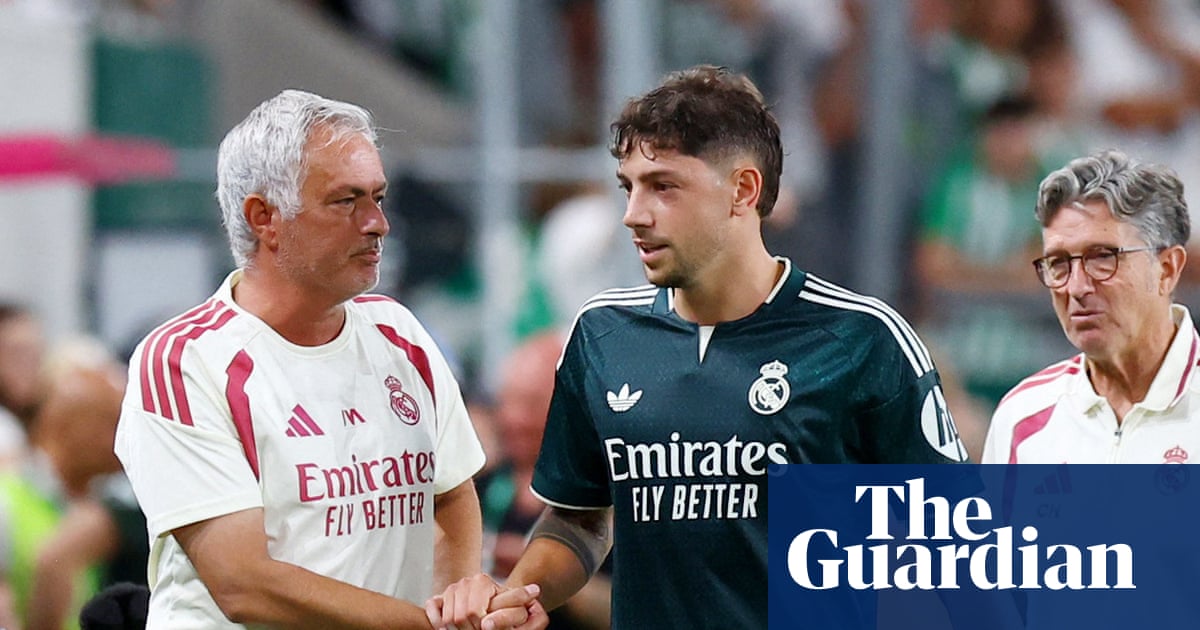
Real Madrid has appointed José Mourinho as its head coach, marking a significant shift in strategy after two consecutive seasons without silverware. The decision was driven largely by club president Florentino Pérez, who sought to reassert control following a period of internal disarray. This move comes after the previous administration, led by chief executive José Ángel Sánchez, had favored Xabi Alonso for the role last summer. Pérez’s intervention underscores his continued influence over major sporting decisions at the Santiago Bernabéu.
The appointment aims to address the chaos that plagued the club during the final months of the previous campaign. Under interim manager Álvaro Arbeloa, tensions within the squad escalated, culminating in a physical altercation between teammates Federico Valverde and Aurélien Tchouaméni that required medical attention. The instability contributed to Madrid conceding the league title to Barcelona in their direct clash and finishing the season without any major honors.
Player retention has been a critical component of this reset. Vinícius Júnior, whose contract had only twelve months remaining amid persistent speculation about his future, has signed a new six-year deal. The club emphasized his importance to the team’s recent success, signaling a commitment to building around him alongside Kylian Mbappé and Jude Bellingham. This stability is intended to counter earlier fan petitions calling for Mbappé’s departure, which had garnered millions of signatures.
Mourinho’s return echoes his first tenure at the club in 2010, when he also faced a dominant Barcelona side. However, the modern football landscape has evolved significantly since then. Former Madrid executive Jorge Valdano noted that both the sport and society have changed over the intervening fifteen years, suggesting that Mourinho’s previous tactics may require adaptation. The coach has adopted a low-profile approach to his return, avoiding a traditional media unveiling and focusing instead on internal preparations.
The squad has undergone several strategic additions to support this new era. Real Madrid secured the signing of Yan Diomandé, a winger who joined from Leganés B for a reported £115 million. Diomandé’s rapid rise includes a debut against Real Madrid himself while playing for Leganés, an event he described as both a dream and a nightmare in recent reflections. Other new arrivals include Marc Cucurella, Bernardo Silva, Ibrahima Konaté, Denzel Dumfries, and striker Carlos Espí, all selected for their perceived compatibility with Mourinho’s coaching style.
Despite the high-profile nature of the appointment, questions remain regarding Mourinho’s current standing in European football. His recent career included mixed results across various leagues, though his tactical management of Benfica’s Champions League campaign against Madrid last season drew renewed attention. However, his handling of a racial abuse incident involving Vinícius Júnior and Benfica player Gianluca Prestianni faced criticism from anti-discrimination groups, who described his comments as dismissive of the victim’s experience.
Barcelona continues to pose the primary challenge for the title, having secured back-to-back La Liga championships. The Catalan club is also strengthening its roster, with reports suggesting they are in advanced talks to sign Rodri from Manchester City. Real Madrid’s own transfer efforts faced setbacks, including a rejected £129 million bid for Julián Álvarez from Atlético Madrid. These developments highlight the competitive balance shifting within Spanish football.
Mourinho has emphasized discipline and focus in his early interactions with the squad. He began working with players a month before his official contract commenced, prioritizing internal cohesion over public spectacle. The absence of a global summer tour in favor of low-key friendlies across Europe reflects this pragmatic approach. As the new season approaches, the success of this experiment will depend on whether Mourinho can integrate his new signings with established stars while neutralizing Barcelona’s dominance.
The broader context of this appointment includes Pérez’s political maneuvering within the club structure. His re-election in snap elections earlier this year provided the mandate to make decisive changes. By choosing a manager known for strict control, Pérez appears intent on preventing further internal fragmentation. The coming months will test whether this authoritarian style can coexist with the creative demands of modern football and the personalities involved.
Uncertainty persists regarding how quickly the new system will gel. While Vinícius Júnior has reported positive initial interactions with Mourinho, describing the coach as supportive of his natural playing style, the integration of multiple high-profile signings remains unproven. The upcoming season will serve as a critical indicator of whether this strategic pivot can restore Real Madrid’s competitive edge in La Liga and European competitions.
Sources behind this briefing
Go to the original reporting
- The Guardian US↗La Liga 2026-27 preview: Madrid look to Mourinho in bid to dethrone Barcelona

