The short version
- Reserve Bank deputy governor Andrew Hauser indicated that the outlook for price stability has deteriorated significantly compared to projections made two months prior.
- Markets are reassessing the probability of a fifth interest rate increase this year as officials grapple with the risk of inflation becoming embedded in public expectations.
- The central bank faces a difficult balancing act between curbing persistent price growth and preventing further deterioration in the labor market amid mixed economic signals.
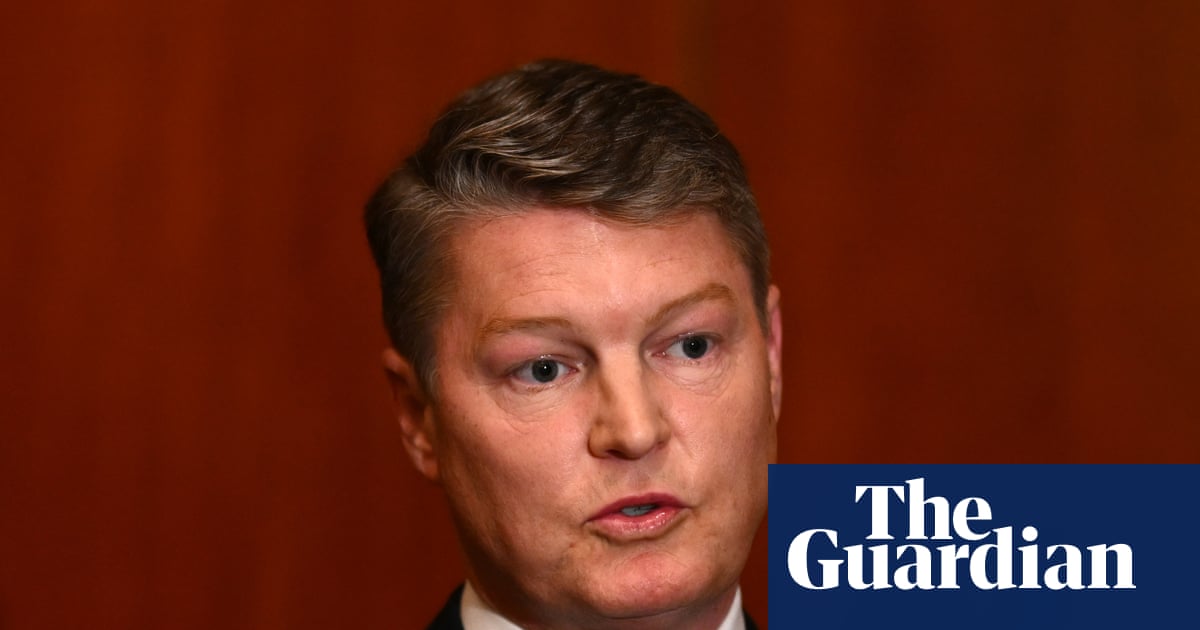
The Reserve Bank of Australia is confronting increasingly complex policy decisions as its deputy governor, Andrew Hauser, cautioned that the inflation outlook has worsened materially since earlier this year. Speaking at a financial conference in Sydney, Hauser highlighted the difficult trade-offs facing the monetary policy board as it prepares for its next meeting in early November. His remarks have intensified speculation regarding whether the central bank will implement a fifth interest rate hike before the end of 2026, particularly as concerns grow that the public may be losing confidence in the institution’s ability to return price growth to its target range.
Hauser emphasized that prolonged periods of elevated inflation are beginning to alter behavior and expectations within the broader economy. He noted signs that some community members are uncertain whether prices will ever stabilize at the desired 2.5 percent level or if high costs will persist for an extended duration. This shift in psychology poses a significant challenge for policymakers, as businesses may start to view higher inflation rates, such as 3.5 percent, as an acceptable baseline rather than a temporary anomaly. Reversing this entrenched mindset could necessitate more aggressive monetary tightening, even if it comes at the cost of economic activity.
Financial markets initially priced in a substantial probability of a rate increase to 4.85 percent earlier in the week. However, Hauser’s warnings suggest that these odds may shift as investors digest the central bank’s heightened concern over upside inflation risks. The deputy governor sits on the board responsible for setting rates, and his comments underscore the internal deliberations occurring ahead of the two-day policy session scheduled to begin on November 2. The timing of these discussions coincides with significant cultural events in Australia, including Melbourne Cup day, adding a layer of public attention to the economic stakes involved.
The economic landscape presents a mixed picture that complicates decision-making for the RBA. On one hand, high interest rates and elevated fuel costs are exerting downward pressure on consumer spending and business activity. Recent employment data revealed that unemployment has risen to 4.7 percent, marking a five-year high and falling slightly short of market expectations. This weakening labor market suggests that monetary policy is having the intended effect of cooling demand, which is necessary to bring inflation under control. However, the strength of this slowdown remains uneven across different sectors.
Conversely, other indicators point to resilience in parts of the economy. Hauser pointed to robust growth among Australia’s major trading partners in Asia, which supports export-oriented industries. Additionally, a surge in investment related to data centers is contributing to economic activity, offsetting some of the drag from higher borrowing costs. Energy prices also present a variable factor; oil prices are currently running approximately one-third higher than the bank’s August forecasts, introducing new upward pressure on inflation that was not fully anticipated in earlier models.
The core dilemma for the monetary policy board involves weighing the immediate pain of tighter financial conditions against the long-term costs of allowing inflation expectations to become unanchored. Hauser framed this as a choice between taking further action to combat rising prices, which would likely result in weaker economic activity and a softer labor market, or holding rates steady to protect employment while accepting the risk that higher inflation could become embedded in public sentiment. The latter scenario could prove more expensive to rectify in the future, potentially requiring even sharper rate hikes later on.
This delicate balance reflects a broader challenge facing central banks globally as they navigate post-pandemic economic adjustments. The RBA’s target of 2.5 percent inflation serves as a critical anchor for financial stability, and any perceived deviation from this goal can undermine the credibility of monetary policy. Hauser’s comments signal that the board is closely monitoring not just headline inflation figures but also the underlying behavioral shifts in how households and businesses perceive price trends. The upcoming meeting will likely focus on assessing whether current measures are sufficient to prevent a lasting change in inflation psychology.
As the November 2 meeting approaches, market participants and economists alike are scrutinizing every signal from RBA officials for clues about the direction of policy. The deputy governor’s acknowledgment that the situation involves “hard choices” suggests that there is no clear consensus or easy path forward. The board must determine whether the risks to the labor market outweigh the dangers of entrenched inflation, a decision that will have profound implications for Australian borrowers, savers, and businesses in the months ahead. The outcome will depend largely on how policymakers interpret the conflicting data points surrounding growth, employment, and price pressures.
Ultimately, the RBA’s next move will reflect its assessment of whether the current trajectory is sustainable or if corrective action is urgently needed. Hauser’s warnings serve as a reminder that monetary policy operates with lags and uncertainties, requiring leaders to make difficult judgments based on incomplete information. The coming weeks will be critical in determining whether the central bank can successfully navigate these competing pressures without causing unnecessary economic disruption or allowing inflation to spiral out of control. The stakes are high for both the institution’s credibility and the financial well-being of Australian households.
Looking ahead, the focus will remain on how the RBA communicates its strategy to maintain public trust while addressing real-time economic challenges. The interplay between global energy markets, domestic employment trends, and investment flows will continue to shape the policy environment. Stakeholders will be watching closely to see if the board opts for a cautious hold or a decisive hike, knowing that either choice carries significant risks in an economy characterized by mixed signals and evolving expectations.
Sources behind this briefing
Go to the original reporting
- The Guardian World↗Odds of fifth interest rate hike this year likely to shorten as RBA deputy warns inflation outlook ‘worsening’