The short version
- A population of dark bordered beauty moths has been confirmed at Wallington estate in Northumberland, ending a twenty-year search by conservationists who previously surveyed the site without success.
- The discovery is significant because the species was thought to survive only at Strensall Common in Yorkshire, where numbers have plummeted from hundreds to single digits due to climate pressures and wildfire damage.
- Habitat restoration efforts involving reduced grazing pressure have allowed creeping willow and aspen to recover, creating conditions suitable for the moth's caterpillars which rely exclusively on these two plant species.
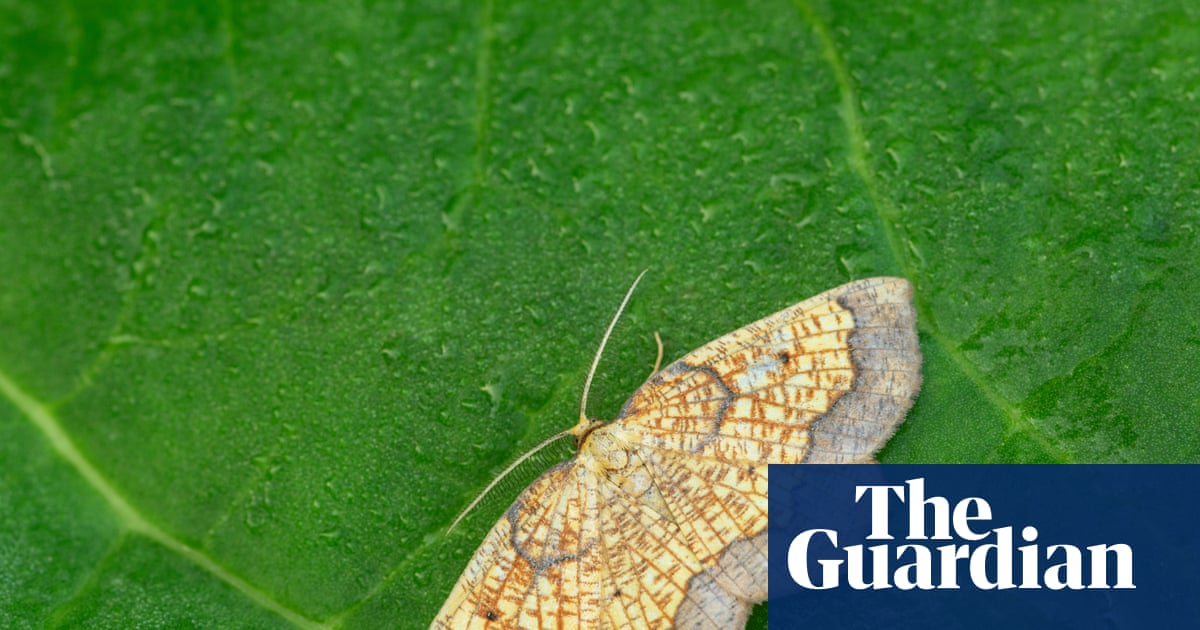
A long-standing mystery in British entomology has been resolved with the confirmation of a dark bordered beauty moth population at Wallington estate in Northumberland. Dave Wainwright, head of conservation in England for Butterfly Conservation, led the survey that finally located the insects after two decades of unsuccessful attempts to find them at this specific site. The last recorded sighting at Wallington dates back to 1952, making this discovery a rare instance of a species reappearing in a location where it had been absent from official records for more than seventy years.
The significance of this find cannot be overstated given the precarious status of the dark bordered beauty in England. Until this summer, Strensall Common in Yorkshire was considered the sole remaining stronghold for the species in the country. That population has suffered a dramatic collapse over the past twenty years, dropping from hundreds of individuals to barely double digits. This decline has been driven by a combination of climate breakdown and a devastating wildfire that tore through much of the reserve, leaving conservationists fearing that the species was on an irreversible path toward extinction.
Wainwright first surveyed Wallington in 2004, enduring harsh conditions including heavy fly bites while hauling equipment across difficult terrain. At that time, he found no evidence of the moths. The ground was heavily grazed by sheep, and the creeping willow plants essential for the caterpillars were stripped bare. Wainwright now believes the moths may have been present all along but hidden in plain sight within vegetation too degraded to support visible populations or successful breeding cycles.
The landscape at Wallington has transformed significantly since that initial survey. Through a nature recovery project spanning twenty square miles, managed in partnership between the National Trust and tenant farmer Fiona Goodfellow, grazing pressures have been reduced. This management shift has allowed lush vegetation and wildflowers to flourish, replacing the previously cropped bare ground. The recovery of creeping willow and aspen, the two specific plants that dark bordered beauty caterpillars consume exclusively, appears to be the key factor enabling the moth population to persist and become detectable again.
This discovery stems from a broader research initiative funded by a £300,000 grant from the Elgol Fund for Nature. The project aims to study how rare species across northern England are coping with combined climate and human pressures. For Wainwright, the finding represents a personal and professional milestone, alleviating fears that he would witness the extinction of a species he had tracked throughout his career. He described the realization as fulfilling, noting that the species is not as close to disappearance as previously feared.
Despite the excitement surrounding the rediscovery, conservationists are adopting a cautious approach. Wainwright emphasized the importance of understanding exactly why the habitat at Wallington supports the moths before implementing any major changes. The site has sustained the population for over seventy years without direct intervention, suggesting that natural processes play a critical role. Rushing to modify the environment could inadvertently cause more harm than good, so current efforts focus primarily on observation and monitoring.
Looking ahead, Butterfly Conservation is in the early stages of developing a captive breeding program in partnership with Yorkshire Wildlife Trust at Strensall Common. The long-term goal is to introduce dark bordered beauty moths to new sites once suitable conditions can be reliably created. This strategy aims to diversify the species' geographic range and reduce its vulnerability to localized threats such as wildfires or extreme weather events.
The work required to locate these moths involves slow, forensic efforts to track eggs and caterpillars, mapping their precise needs for survival. Wainwright argues that this detailed groundwork is essential for directing conservation resources effectively. By identifying where species actually exist, rather than relying on outdated data, organizations can ensure that funding supports the most critical habitats. This discovery underscores the value of persistent fieldwork in uncovering hidden biodiversity and informing effective conservation strategies.
Sources behind this briefing
Go to the original reporting
- The Guardian US↗The 20-year search for a vanishing custard-and-chocolate coloured moth

