The short version
- Nearly 90,000 residents face evacuation orders or warnings as the fast-moving blaze approaches densely populated areas and critical infrastructure.
- Emergency officials have declared a state of emergency and deployed National Guard troops to secure evacuated neighborhoods while battling unpredictable wind patterns.
- The fire has destroyed several structures and injured six people, including first responders, while causing widespread power outages and road closures across Washoe County.
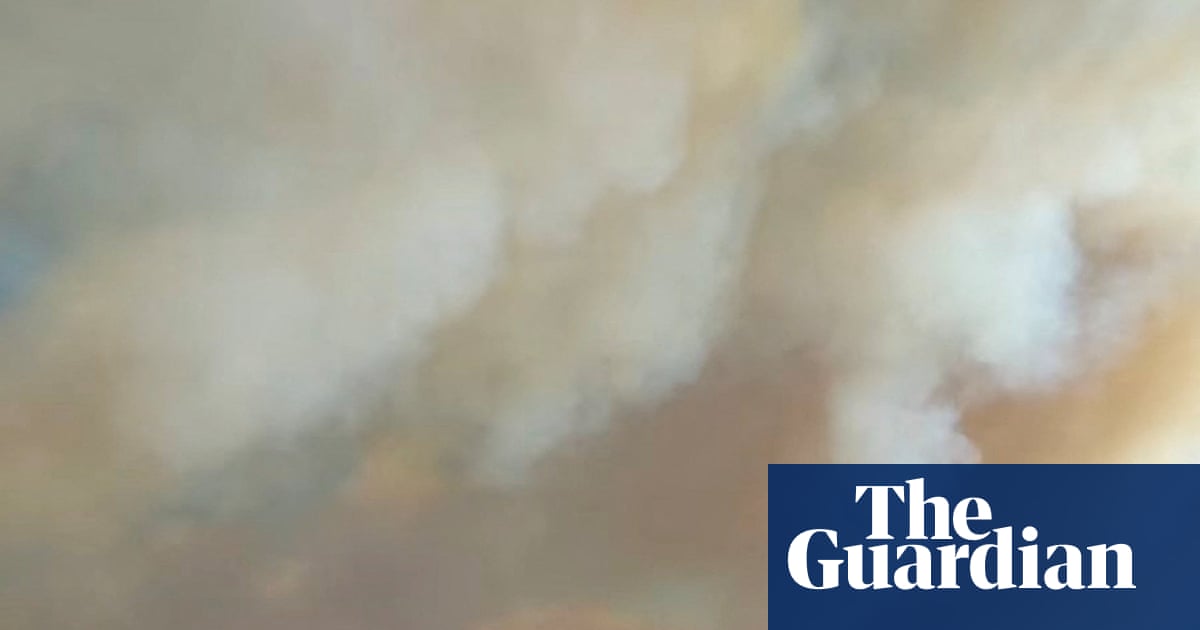
A rapidly intensifying wildfire in Reno, Nevada, has forced nearly 90,000 residents to evacuate or prepare for immediate departure as flames surge toward the city center. The blaze, identified as the Hawk fire, has consumed more than 15,000 acres with no containment achieved. Officials confirmed the incident was human-caused, though specific details regarding its origin remain under investigation. The speed of the fire’s expansion has caught many residents off guard, transforming a minor concern into a major emergency within hours.
Evacuation directives have been split into two categories to manage the flow of traffic and ensure public safety. Approximately 42,000 individuals are under mandatory evacuation orders, while an additional 45,000 people reside in warning zones where they are urged to leave immediately to clear routes for emergency vehicles. Reno Mayor Hillary Schieve emphasized the urgency of these measures, noting that structures have already been lost and that personal safety must take precedence over property preservation. Early evacuation allows firefighters to concentrate their efforts on suppressing the blaze rather than managing traffic congestion.
The fire’s trajectory has brought it dangerously close to the University of Nevada, Reno campus. While the university remains just outside the strict evacuation zone as of Sunday morning, the boundary is fluid and subject to change based on wind conditions. With classes scheduled to begin shortly, administrators have activated emergency response plans to protect students and staff. The proximity of the flames to educational facilities has raised concerns about the stability of the academic calendar and the safety of new students who have already arrived on campus.
Challenging weather conditions have significantly complicated firefighting efforts. Strong, gusty winds combined with low humidity and dry vegetation have fueled the fire’s aggressive behavior. Washoe County Sheriff Darin Balaam described the situation as extremely confusing due to shifting wind patterns that sent flames in unpredictable directions. These conditions allowed the fire to jump over containment lines and even bypass fire trucks, making it difficult for responders to reach hotspots while residents attempted to flee. The erratic nature of the blaze has required constant reassessment of evacuation zones.
In response to the escalating crisis, Governor Joe Lombardo declared a state of emergency in Washoe County and mobilized the Nevada National Guard. Two helicopter crews have been deployed for aerial firefighting operations, while sixty troops have been assigned to police evacuated neighborhoods and maintain order. Approximately 400 personnel from local, state, and federal agencies are currently engaged in suppression efforts. Despite these resources, the sheer scale of the fire and the difficult terrain continue to pose significant obstacles to containment.
The human toll of the disaster includes six injuries: three civilians and three first responders. Several structures have been destroyed, including a taxidermy shop owned by David Barb, who returned from a hunting trip to find his business leveled. Fortunately, his home was spared due to firebreaks created by landscaping workers. The emotional impact on residents is profound, with many expressing devastation over lost property but relief that their families are safe. The rapid onset of the fire has left little time for residents to secure their belongings or make detailed evacuation plans.
Infrastructure disruptions have widespread effects across the region. Nearly 10,000 homes and businesses in Washoe County experienced power outages as utility companies preemptively cut electricity to prevent further ignitions. At least twenty road closures are in effect, including portions of US Route 395, a major north-south artery. The Reno-Tahoe International Airport remains operational with commercial flights unaffected, but the smaller Reno-Stead airport has closed to general aviation traffic while remaining open for firefighting aircraft. These logistical challenges complicate both evacuation efforts and the delivery of emergency supplies.
Local authorities are also monitoring the safety of a county detention facility located near the edge of the evacuation warning area. Sheriff Balaam confirmed that plans are in place to evacuate inmates if necessary, ensuring that vulnerable populations are protected alongside general residents. The Reno-Sparks Convention Center has been opened as a shelter for evacuees, although pets are not permitted inside. Separate locations have been designated for small and large animals, while local casinos have offered discounted hotel rooms to those displaced by the fire.
This incident follows a pattern of severe wildfire activity in the region. Just weeks earlier, three other wildfires fueled by similar dry and windy conditions forced more than 13,000 residents from their homes north of Reno. The recurrence of such large-scale evacuations highlights the ongoing vulnerability of the area to climate-driven disasters. As firefighting crews continue to battle the Hawk fire, officials warn that conditions could deteriorate further, requiring sustained vigilance and cooperation from all residents in the affected zones.
The coming days will be critical in determining whether the fire can be contained before it reaches more densely populated areas of Reno. Emergency management teams are working around the clock to assess risks and update evacuation orders as needed. Residents are advised to stay informed through official channels and to follow all directives from local authorities. The resilience of the community will be tested as they navigate this unprecedented emergency, with support systems stretching to accommodate the large number of displaced individuals.
Sources behind this briefing
Go to the original reporting
- NPR↗Thousands forced to evacuate parts of Reno, Nevada, as new wildfire rages
- The Guardian World↗Fast-moving wildfire in Reno, Nevada, forces thousands to evacuate homes

