The short version
- Maine and Alaska are the only states using ranked choice voting for Senate races this cycle, potentially slowing down newsroom projections compared to traditional plurality contests.
- The system requires a candidate to secure over fifty percent of the vote through multiple rounds of elimination if no one achieves an outright majority on the first count.
- Alaska's race involves additional complexity due to a federal investigation into ballot stacking tactics, raising questions about voter intent and candidate legitimacy.
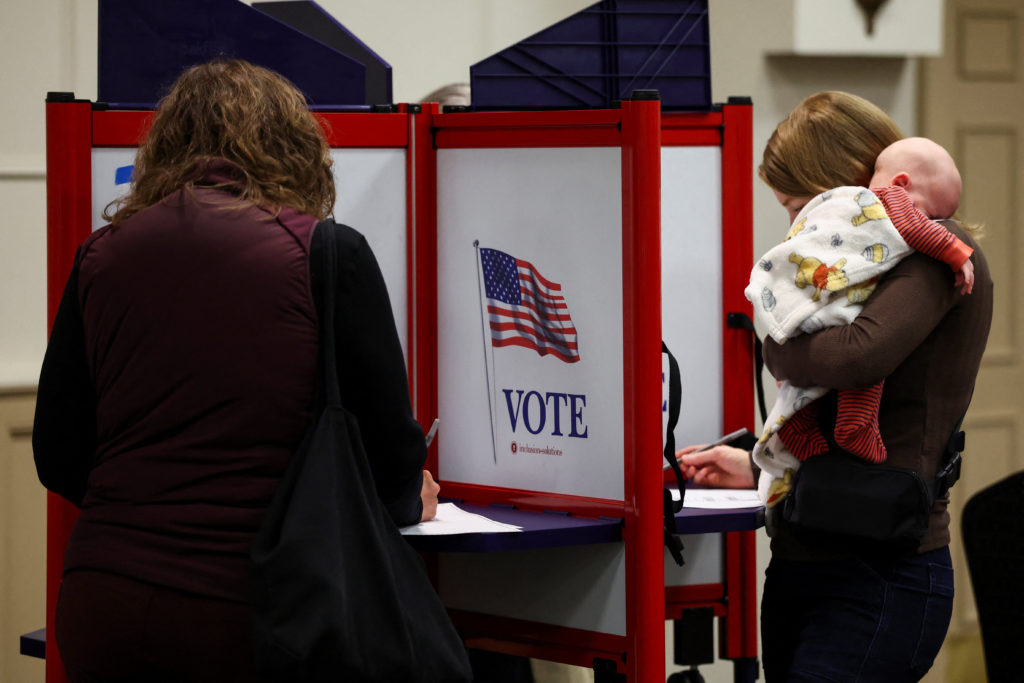
Voters in Maine and Alaska face a distinct electoral landscape this Tuesday as they head to the polls for Senate races that could determine which party controls Congress. Unlike the rest of the country, where citizens select a single candidate, residents of these two states will use ranked choice voting. This method allows individuals to order their preferences among multiple contenders, creating a more nuanced but potentially slower path to declaring a winner.
Election analysts note that while the voting system itself does not inherently cause delays, it introduces variables that news organizations must carefully navigate. Projections made by major outlets often rely on early returns and statistical modeling. In states without ranked choice voting, these models can confidently call races once a candidate secures an insurmountable lead. However, in Maine and Alaska, the possibility of vote redistribution means that early leads may not reflect the final outcome.
The mechanics of the process are straightforward but time-consuming. If no candidate receives more than half of the first-choice votes, an instant runoff is triggered. The candidate with the fewest votes is eliminated, and their supporters' ballots are transferred to their second choice. This cycle continues until one contender crosses the fifty percent threshold. Experts from the Brennan Center for Justice emphasize that this design ensures the ultimate winner has broad support rather than just a plurality.
Wren Orey of the Bipartisan Policy Center highlights that this approach mitigates the risk of a winner who is preferred by fewer voters than their opponents combined. By allowing voters to express preferences without fear of wasting their ballot on a long-shot candidate, the system aims to reduce strategic voting. This is particularly relevant in competitive districts where third-party or independent candidates might otherwise split the vote.
Alaska’s Senate race presents unique challenges beyond the standard ranked choice mechanics. The field includes four candidates who advanced from the primary, including Dan J. Sullivan. His presence on the ballot has drawn scrutiny following reports that operatives linked to the campaign of incumbent Lisa Peltola recruited him to run. The goal was allegedly to draw votes away from Senator Dan Sullivan, a tactic known as ballot stacking.
Peltola has denied any knowledge of this recruitment effort. Nevertheless, the situation has become the subject of a federal criminal investigation. Dan J. Sullivan is widely viewed as a spoiler candidate, someone unlikely to win but capable of influencing the outcome by siphoning support from a major contender. While ranked choice voting is designed to neutralize such effects by redistributing votes, the controversy adds a layer of uncertainty to the race.
Maine also employs this voting method for its Senate contest, which is similarly rated as a toss-up by political analysts. The state has used ranked choice voting for federal offices since 2018, following a ballot initiative. Voters have consistently supported keeping the system in place, including via a measure in 2024. The familiarity of the process may help streamline operations compared to Alaska, where the system is newer and currently embroiled in legal questions.
News organizations like the Associated Press will need to wait for a significant portion of ballots to be counted before making projections. This caution is necessary because vote transfers can shift margins dramatically in close races. Official certification by election officials will take weeks, but the initial calls made on election night carry immense weight in shaping public perception and political strategy.
The broader implications extend beyond these two states. More than a dozen cities and counties across the U.S., including Washington D.C., use ranked choice voting for local offices. As more jurisdictions adopt similar systems, the infrastructure for counting and reporting results will need to adapt. For now, however, Maine and Alaska stand alone in applying this method to Senate elections.
As polls close, attention will turn to how quickly data flows from these states. The delay in finalizing results could create a vacuum of information during a critical period of national political transition. Understanding the nuances of ranked choice voting is essential for interpreting the outcomes accurately and appreciating the deliberate pace at which democratic processes unfold in these regions.
Sources behind this briefing
Go to the original reporting
- PBS NewsHour↗Will ranked choice voting affect timing of Maine and Alaska's Senate race results? Here's what we know


