The short version
- Polling data indicates the race has moved from a Republican lean to a competitive toss-up, reflecting voter hesitation despite the state's recent partisan trends.
- Indian-American voters, while sharing cultural heritage with the candidate, remain largely Democratic and express doubts about his connection to their specific community struggles.
- Campaign missteps, including controversial social media posts and questions regarding his availability during key holidays, have fueled perceptions of elitism.
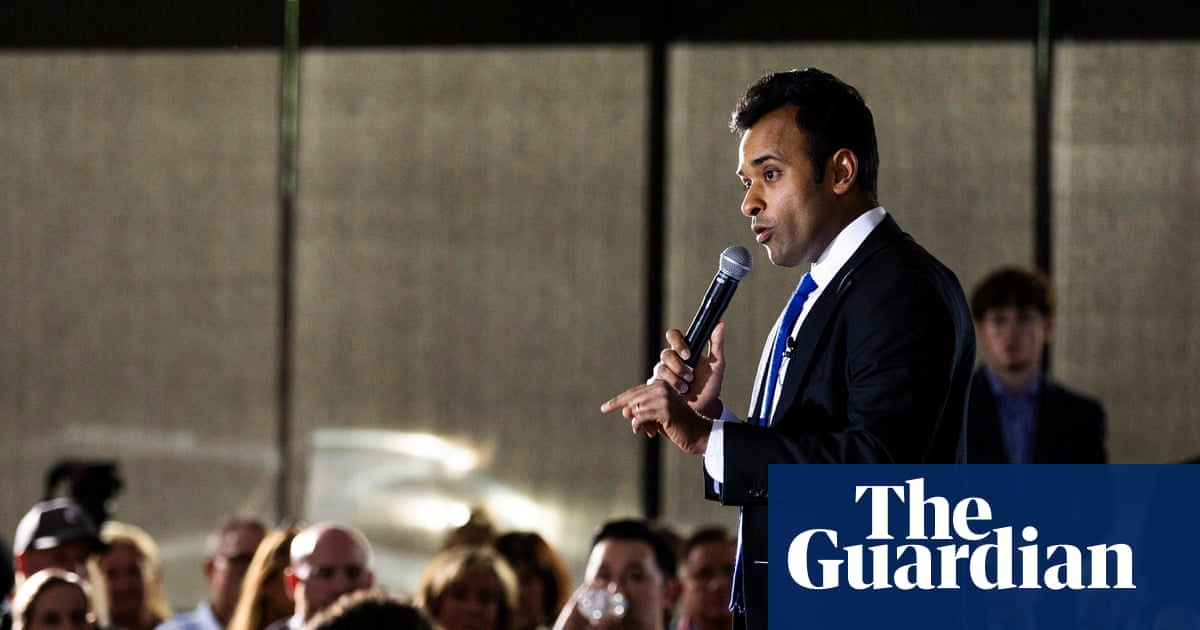
The Ohio gubernatorial election has entered a phase of heightened uncertainty, with analysts reclassifying the contest from a Republican-leaning matchup to a toss-up. This shift occurs despite the state’s strong recent performance for Republican candidates in federal elections and its two-decade history of voting for Republican governors. The change in outlook stems from growing voter skepticism toward Vivek Ramaswamy, the Republican nominee, who has faced persistent challenges in establishing rapport with both general constituents and specific demographic groups that might otherwise be expected to support him.
Ramaswamy secured the Republican nomination with overwhelming ease, capturing 82 percent of the primary vote last May. His path to the ballot was further smoothed by an early endorsement from Donald Trump, which surprised many within the state’s GOP establishment. However, the initial momentum has not translated into broad-based enthusiasm in the general election. Pollsters note that the candidate’s struggles are multifaceted, involving perceptions of elitism, controversies surrounding his public statements, and a lack of deep political experience prior to his recent campaigns.
A significant portion of the scrutiny focuses on Ramaswamy’s relationship with Ohio’s Indian-American community. As the largest immigrant group in the state, these voters represent a notable demographic that shares cultural and religious ties with the candidate. Ramaswamy and his parents have been regular attendees at the Hindu Temple of Dayton for decades, creating a personal link to local institutions. Yet, this shared heritage has not guaranteed political support. Many Indian-American voters remain aligned with the Democratic Party, with recent data indicating that a majority still identify as such, although some polling suggests a gradual erosion of that loyalty over the past few years.
Critics within the community argue that Ramaswamy’s campaign has failed to address the specific economic and social concerns of Indian-American residents. Priya Tamilarasan, an attorney in Columbus, noted that the candidate appears disconnected from the daily realities faced by many in this demographic. The perception of distance was exacerbated by Ramaswamy’s decision to spend part of the Fourth of July holiday weekend in Paris, a move that drew criticism for appearing out of touch during a critical period of American civic celebration. Such incidents have reinforced narratives that he prioritizes personal lifestyle over community engagement.
Beyond demographic hurdles, Ramaswamy has faced backlash for remarks perceived as dismissive of average workers. In late 2024, he posted comments on social media criticizing American culture for valuing mediocrity over excellence, specifically contrasting academic achievers with popular high school figures. These statements resonated poorly with many voters who felt the candidate was undermining the dignity of labor and traditional American values. The controversy contributed to a broader narrative that Ramaswamy lacks empathy for the struggles of ordinary Ohioans, further complicating his efforts to build a coalition beyond his base.
Religious identity has also emerged as a point of contention during the campaign. In a widely circulated video from a Turning Point USA event, Ramaswamy faced questions about his ability to represent a predominantly Christian state while practicing Hinduism. He responded by describing himself as an ethical monotheist and attempting to bridge theological divides, but the exchange highlighted the potential friction between his personal faith and the religious composition of Ohio’s electorate. This dynamic adds another layer of complexity to his outreach efforts in a region where religious affiliation often influences political alignment.
Operational issues have further complicated the campaign narrative. In January, a security contractor working for Ramaswamy was arrested on drug trafficking charges, leading the campaign to sever ties with the agency. While such incidents are not uncommon in high-profile campaigns, they contribute to an image of instability and poor judgment. Combined with his brief and controversial stint in a federal efficiency role alongside Elon Musk, these events have provided opponents with material to question his readiness for executive leadership.
Looking ahead, the race remains fluid as both parties intensify their efforts in the final months before November. Ramaswamy must overcome significant headwinds, including entrenched partisan loyalties and skepticism about his policy priorities. The shift to a toss-up status suggests that early advantages have eroded, leaving the outcome dependent on late-breaking voter mobilization and the ability of either candidate to define the terms of the debate. For now, the contest stands as one of the most unpredictable in the state’s recent political history.
Sources behind this briefing
Go to the original reporting
- The Guardian US Politics↗Vivek Ramaswamy is struggling to connect with voters. Can Ohio’s Indian community help?