The short version
- Two pilots successfully ejected from a Royal Air Force Hawk T2 jet that crashed and exploded near Anglesey during a training flight.
- Emergency responders contained the fire at the crash site, while local transport networks were temporarily disrupted by safety closures.
- Authorities have confirmed no injuries to the public or significant damage beyond the immediate vicinity of the aircraft wreckage.
A Royal Air Force training jet crashed and exploded in north Wales on Wednesday, shortly after two pilots ejected from the aircraft. The incident occurred near Anglesey, an island off the northwest coast of England, involving a Hawk T2 plane that had just departed from RAF Valley. Witnesses reported seeing the aircraft struggle immediately upon leaving the runway, with flames visible during the initial acceleration phase before the pilots initiated their escape sequence.
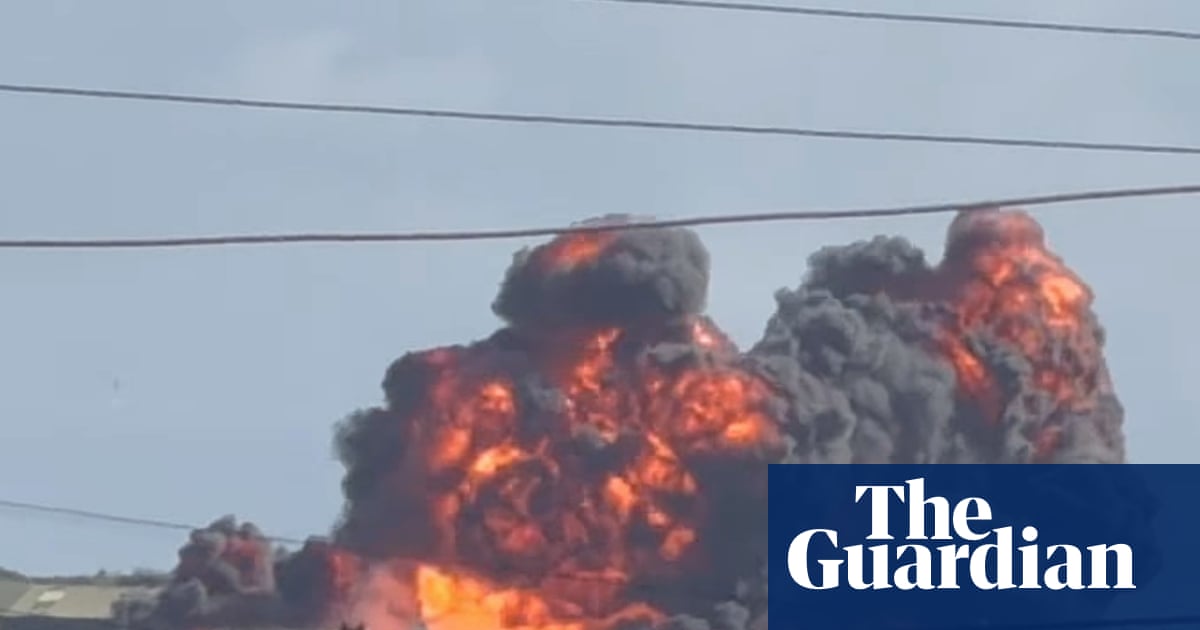
Video footage captured by bystanders shows the jet climbing unevenly before the ejection event. Following the deployment of parachutes, the aircraft nosedived toward the ground, trailing smoke as it approached residential and agricultural structures. The impact generated a large fireball and significant black smoke, prompting a rapid response from multiple emergency services agencies operating in the region.
Both aircrew members survived the incident and were treated for minor injuries. North Wales police confirmed that there were no reports of wider damage or injuries to the public at the time of the briefing. The crash site, located in the Pencarnisiog area, is situated less than two miles from the airbase where the flight originated. This proximity meant that emergency crews could arrive quickly to manage the aftermath.
RAF Valley serves as the home base for No 4 Flying Training School, which is responsible for training fighter pilots using both Hawk T2 and Texan T1 aircraft. The school plays a critical role in the Royal Air Force’s pilot development pipeline, making safety protocols a central concern for military aviation operations. The incident has triggered an immediate investigation by the RAF to determine the cause of the mechanical or operational failure.
Local residents described a chaotic scene as the aircraft descended. One witness noted that the plane appeared to be in distress from the moment it left the ground, citing an orange flame during takeoff. As the jet gained altitude, the fire seemed to subside, but the aircraft exhibited aggressive pitching movements before two loud bangs signaled the ejection of the pilots. The parachutes opened successfully, allowing the crew to land safely away from the crash zone.
Emergency services, including North Wales fire and rescue, Welsh ambulance service, and Wales air ambulance, worked together to secure the area. Fire crews managed to bring the blaze under control relatively quickly, preventing further spread to nearby properties. Authorities have asked the public to avoid the Pencarnisiog area while investigations continue and cleanup operations proceed safely.
The crash caused temporary disruptions to local infrastructure, particularly rail services. Train lines between Bangor and Holyhead were closed as a precautionary measure, with replacement bus services deployed to maintain connectivity for commuters and travelers. These closures were lifted once emergency teams determined that the site was secure and no ongoing hazards remained.
Wes Streeting, the UK defence secretary, issued a statement expressing concern for the pilots and promising further updates as more information becomes available. The Royal Air Force has declined to comment on specific details of the incident while the investigation is underway. This restraint is standard procedure in aviation accidents to ensure that preliminary findings do not interfere with technical analysis.
The Hawk T2 is a widely used trainer aircraft within the RAF, known for its reliability but subject to rigorous maintenance checks given the high-stress nature of pilot training. Incidents involving this type of aircraft are rare but taken seriously due to the potential risks associated with low-altitude flight operations near populated areas. The safety record of the flying school will likely be reviewed as part of the broader inquiry.
As the investigation progresses, officials aim to identify whether mechanical failure, human error, or external factors contributed to the crash. The swift ejection and survival of the pilots highlight the effectiveness of emergency procedures in modern military aviation. However, the incident serves as a reminder of the inherent dangers involved in training future fighter pilots.
Sources behind this briefing
Go to the original reporting
- The Guardian World↗RAF jet crashes and explodes in Anglesey moments after pilots eject