The short version
- At least 43 Australians remain missing following catastrophic glacier-triggered floods in Nepal and Tibet, with the overall death toll exceeding 800.
- Social media platforms hosting news coverage of the disaster have been flooded with racist comments denying the Australian identity of non-white victims.
- Experts and officials are calling for stricter digital duty of care laws after automated moderation tools failed to catch coded hate speech.
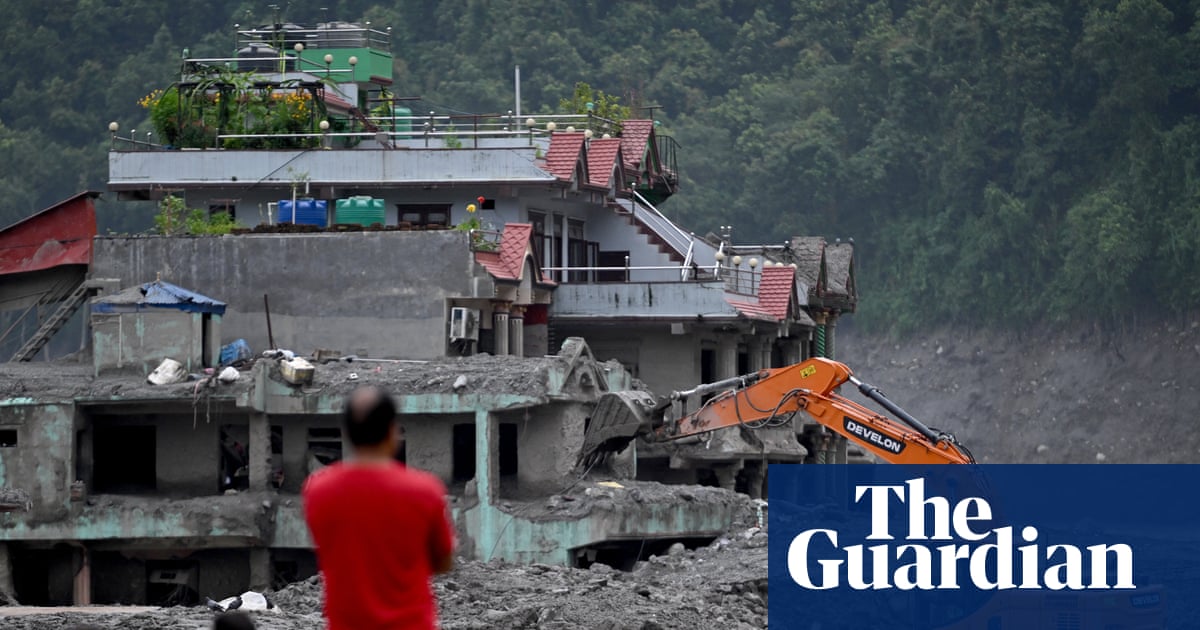
A humanitarian catastrophe in the Himalayas has triggered a parallel crisis of online harassment, as families of Australians missing in Nepal and Tibet confront a wave of racist abuse on social media. The disaster, caused by flash floods resulting from a massive glacier collapse, has left at least 810 people dead and 43 Australian citizens unaccounted for as of Monday. While rescue efforts continue in the remote regions, public discourse surrounding the tragedy has become increasingly toxic, with hateful rhetoric targeting the victims and their grieving relatives.
Most of the missing Australians were participating in religious pilgrimages, including journeys to Mount Kailash, a site sacred to Hindus, Buddhists, Jains, and followers of the Bon faith. Fourteen of those unaccounted for are members of the Australia Bharatha Brahmin Samaj community based in Sydney. As news outlets reported on the identities of the missing individuals, their social media pages became targets for discriminatory comments. Mainstream broadcasters and digital publishers have seen their articles inundated with posts that question the nationality of non-white victims.
The nature of the abuse has been described by editors as abhorrent and deeply offensive. One article published by the Daily Telegraph received dozens of comments on Facebook from users claiming that missing citizens who were not white were not truly Australian. Some commenters suggested that these individuals should be replaced by others, framing the tragedy as an opportunity for demographic change. These remarks were eventually deleted, but their initial visibility caused significant distress to families already waiting for news about their loved ones.
In response to the influx of hate speech, several media organizations have taken steps to limit public interaction with their content. Guardian Australia restricted commenting on posts related to the missing tourists after receiving strings of racist replies. Ben English, editor at News Corp, stated that while automated filters are imperfect and often fail to catch racism expressed in coded language, the outlet takes responsibility for its comment threads. He noted that where active moderation is not feasible during sensitive stories, closing comments becomes a necessary measure to protect the integrity of the platform.
The phenomenon extends beyond traditional news outlets to broader social media ecosystems. On X, a post by conservative commentator Kobie Thatcher, which featured an image of an identified missing couple alongside the caption 'Aussie family,' garnered over 3.2 million views. The widespread reach of such content highlights how quickly misinformation and hate speech can spread during times of crisis. This amplification raises concerns about the role of algorithms in prioritizing engagement over safety, particularly when dealing with vulnerable communities.
Academic experts point to structural issues within social media design that facilitate this type of harmful behavior. Tim Graham, an associate professor at QUT’s Digital Media Research Centre, explained that platform architectures reward extreme content and rage bait because they drive user attention. He criticized the failure of tech companies to utilize existing technical infrastructure, including generative AI models capable of detecting nuanced hate speech at scale. Graham expressed disbelief that these tools are not being deployed during severe humanitarian emergencies to mitigate harm.
Government officials have linked the surge in online racism to broader political debates regarding immigration and national identity. Giridharan Sivaraman, the race discrimination commissioner, stated that the comments reflect a growing white supremacy ideology amplified by far-right populist rhetoric. He argued that social media companies profit from outrage and that claims of effective self-regulation are fanciful. Sivaraman called for the implementation of a digital duty of care for all platforms operating in Australia, emphasizing that words have real-world consequences.
Community leaders have appealed for compassion and dignity during this period of mourning. Surinder Jain, vice-president of the Hindu Council of Australia, described the situation as saddening, noting that some individuals are using the tragedy to express political displeasure rather than showing respect for the deceased. Chiran Tiwari, president of the Nepalese Australian Welfare Society, urged Australians to look past nationalities and recognize shared humanity. He highlighted the deep hurt felt by impacted families, stressing that all victims deserve empathy regardless of their background.
As the search for missing persons continues, the focus remains on both physical rescue efforts and the need for accountability in digital spaces. The incident underscores the urgent need for better moderation practices and regulatory frameworks to protect marginalized communities from online abuse. Until platforms address these systemic failures, families may continue to face secondary trauma from hate speech while dealing with the primary grief of loss.
Sources behind this briefing
Go to the original reporting
- The Guardian World↗Australians missing in Nepal targeted by ‘heartbreaking’ and ‘abhorrent’ racist slurs