The short version
- Anthony Reilly, Queensland’s ombudsman, reversed his previous recommendation to shut down the Wacol youth remand centre once a new facility opens.
- The decision stems from fears that strict new bail legislation will overwhelm existing detention capacity, forcing children into police watch houses.
- Advocacy groups condemn the move as a capitulation to political agendas, noting that inmates at Wacol have resorted to self-harm to secure transfers.
The Queensland ombudsman has withdrawn a prior recommendation to close the Wacol youth remand centre, citing concerns that stringent new bail laws could precipitate a severe overcrowding crisis in police watch houses. Anthony Reilly, the state’s independent watchdog, published an inspection report last week that highlighted serious deficiencies at the Brisbane-area facility while simultaneously acknowledging its utility as a buffer against worse conditions elsewhere in the justice system.
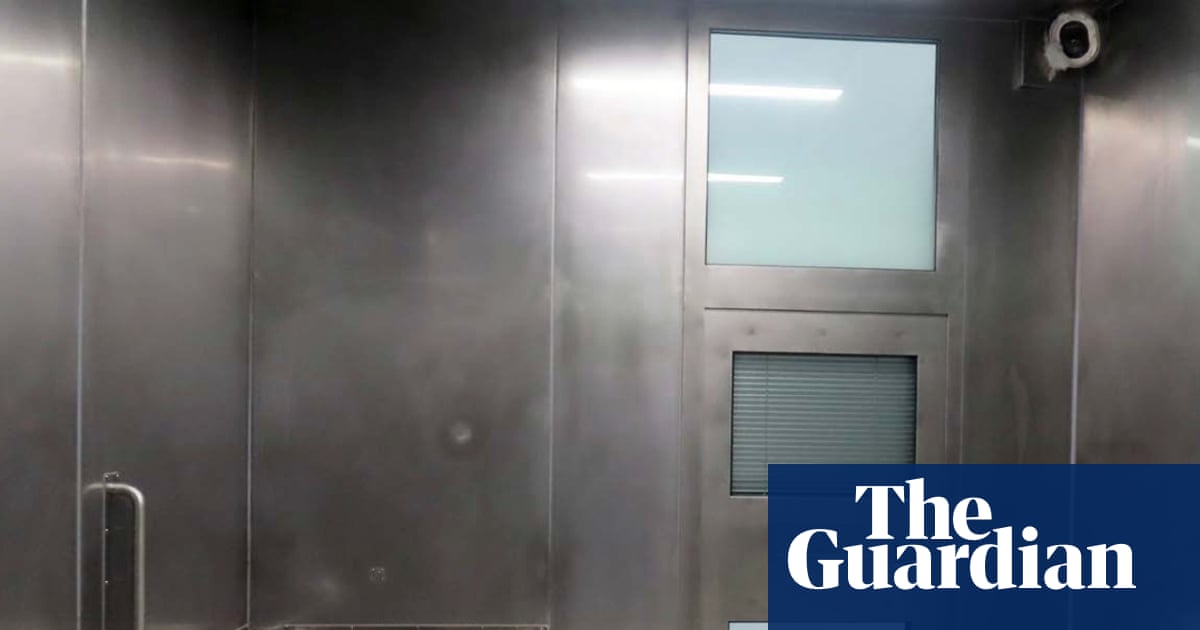
The Wacol centre was originally constructed and designed to function as a police watch house. It was later converted under legislation to serve as a youth detention facility. Reilly’s latest assessment describes the site as austere and institutional, noting significant shortcomings including a lack of space, privacy, and natural light. These conditions have led inspectors to conclude that the centre is fundamentally unsuitable for holding children over extended periods.
Despite these criticisms, the ombudsman has stepped back from his earlier stance that Wacol should be decommissioned once the new Woodford youth detention centre becomes operational. Reilly warned that the upcoming year may see a surge in the number of young people detained due to reforms known as breach bail, go to jail. He expressed concern that the state’s existing network of three youth detention centres, combined with the new facility at Woodford, might lack the capacity to accommodate all children required for detention by the criminal justice system.
The primary driver for retaining Wacol is the fear that without it, a large number of minors would be detained in police watch houses for lengthy periods. Data indicates that the current operation of Wacol has reduced the number of children held in these police cells and shortened their stays. Reilly argued that while Wacol is not an appropriate environment for long-term detention, it remains a preferable alternative to the crowded conditions found in police facilities.
The facility currently serves as a holding site for Indigenous children from north Queensland, often due to overcrowding at the Cleveland youth detention centre in Townsville. Inspectors found that some young people remained at Wacol for more than a month. Additionally, complex and high-risk children were sometimes transferred back to the remand centre after initially being placed in other youth detention facilities.
Conditions at Wacol have reportedly led to distressing behaviors among inmates. Staff reported that some children from north Queensland, after spending extended time at the centre, engaged in acts of self-harm. These actions were described as attempts to influence and expedite their transfer to another facility. The report underscores the psychological toll of the environment on vulnerable minors.
Critics have reacted sharply to the ombudsman’s reversal. Sisters Inside, an organization dedicated to supporting women and girls in custody, characterized the decision as a gutless retreat. Debbie Kilroy, the group’s chief executive, argued that the move allows the government’s determination to imprison more children to dictate what an independent watchdog is willing to tolerate.
Kilroy emphasized that identifying a facility as unsuitable does not make it acceptable simply because the government creates worse alternatives. She stated that children’s safety should not be negotiated down to accommodate political agendas. The controversy highlights the tension between institutional capacity constraints and the ethical standards expected in juvenile detention, leaving advocates demanding a clearer stand for child welfare.
The situation reflects broader challenges within Queensland’s criminal justice system as it navigates new legislative frameworks. While the government aims to enforce stricter bail conditions, the infrastructure required to house increased numbers of detained youth remains insufficient. The ombudsman’s report leaves open the possibility that Wacol will continue to operate as a necessary, albeit flawed, component of the state’s detention network.
As the Woodford centre approaches completion, the debate over Wacol’s future is likely to intensify. Stakeholders remain divided on whether the facility should be closed immediately upon the new centre’s opening or retained as a contingency measure. The outcome will depend on how quickly the new bail laws impact detention populations and whether alternative solutions can be implemented to prevent overcrowding in police watch houses.
Sources behind this briefing
Go to the original reporting
- The Guardian World↗Queensland ombudsman backs away from calls to close youth prison so ‘unsuitable’ some children self-harm to get transferred