The short version
- Approximately 400 staff members are affected by the permanent closure of pathology services at Mater’s Brisbane and Springfield hospitals.
- The decision follows an investigation into potential formaldehyde exposure after monitoring devices recorded levels above workplace safety standards.
- Hospital administrators cite both immediate infrastructure needs for safety compliance and broader financial pressures as reasons for outsourcing all pathology work.
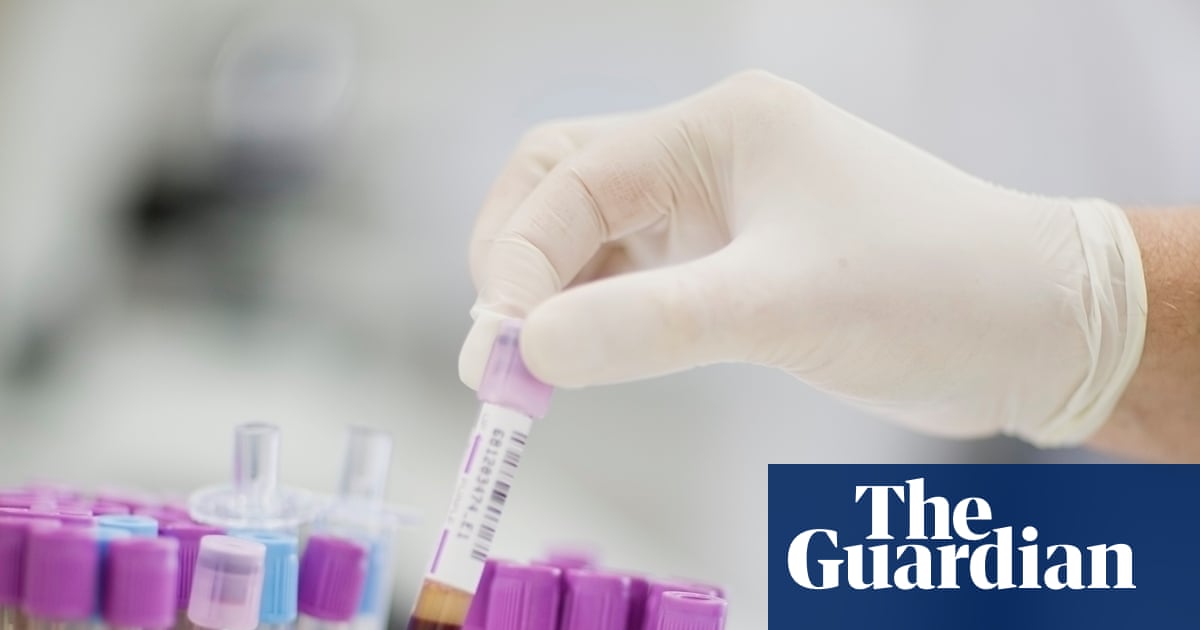
A major healthcare provider in Queensland has permanently ceased its in-house pathology operations at two significant facilities, marking a substantial shift in how medical testing is delivered to patients in the region. The closure impacts Mater’s Brisbane and Springfield hospitals, affecting roughly four hundred employees who previously worked within these departments. This move ends the internal handling of critical diagnostic services, including specialized tissue and cell testing for unexpected infant deaths, which will now be managed by external specialist providers.
The immediate catalyst for shutting down the anatomical pathology laboratory at the Brisbane site was a safety incident involving hazardous chemicals. On September 24, hospital administrators suspended operations with little advance warning due to concerns about potential exposure to formalin, a solution containing formaldehyde and water. This substance is classified as dangerous under strict workplace regulations because it can irritate the eyes, nose, and respiratory system, trigger allergic reactions, and is linked to an elevated risk of certain cancers.
Prior to the shutdown, laboratory personnel were required to wear protective respiratory equipment, a measure that deviates from standard protocols unless there is a spill or suspicion that chemical levels exceed safe limits. Staff also utilized personal exposure monitoring devices to track their environment. On September 21, seventeen samples were collected, and one employee’s device returned a reading that surpassed established workplace exposure standards. This abnormal result prompted the immediate closure of the lab while an investigation into the cause was launched.
While safety concerns initiated the temporary suspension, hospital leadership determined that reopening the facility would require extensive and costly infrastructure upgrades. An internal communication to staff indicated that no quick or simple solution existed for the identified safety issues. Administrators noted that significant long-term investment would be necessary to meet ventilation standards and ensure safe specimen handling, making a return to previous operations impractical in the short term.
Beyond the immediate safety crisis, the permanent closure reflects deeper structural challenges within the hospital’s pathology division. A spokesperson for Mater Health explained that the current operating model is no longer financially sustainable over the long term. The pathology sector has evolved to rely heavily on scale, specialized workforces, advanced technology, and complex logistics, factors that the hospital’s existing setup could not adequately support. Consequently, all pathology services at both locations will be outsourced to entities such as Sullivan Nicolaides Pathology and Pathology Queensland.
Hospital officials assert that this transition will not compromise the quality of patient care. They argue that redirecting resources away from maintaining internal labs allows for greater focus on direct clinical services. The Brisbane facility, a tertiary hospital funded jointly by Queensland Health and Mater Private Hospitals, and the Springfield site, which serves both public and private patients, will continue to operate their other medical departments without interruption.
The decision has drawn criticism from labor representatives who warn of significant impacts on employees. Fiona Scalon, secretary of the United Workers Union Queensland, highlighted that staff face uncertainty regarding redeployment opportunities. She emphasized that moving to different employers could result in workers losing substantial income and employment conditions, even if they continue performing similar duties. The union noted that various enterprise agreements apply across different organizations, creating potential disparities in benefits and job security.
Queensland Health has stated that Mater Health retains responsibility for decisions concerning its pathology services. However, the state health department confirmed it will collaborate with the hospital to ensure patients maintain access to necessary testing. Pathology Queensland has agreed to absorb a small increase in perinatal autopsies within its existing capacity. As the investigation into the formaldehyde exposure continues, the broader implications of outsourcing essential medical diagnostics remain a focal point for both staff and healthcare administrators.
Sources behind this briefing
Go to the original reporting
- The Guardian World↗Major Queensland hospital to close pathology labs amid potential formaldehyde exposure investigation


