The short version
- Justice Tom Sullivan dismissed murder charges against Kylie Ellina Truswell-Mobbs, accepting her plea of guilty to assisting suicide.
- The court recognized the compassionate nature of the act after her husband, suffering from motor neurone disease, begged for death due to severe distress and loss of autonomy.
- Truswell-Mobbs received a two-year suspended sentence, credited with fourteen months already served in custody.
A Queensland Supreme Court judge has dismissed murder charges against a woman who administered lethal drugs to her terminally ill husband, marking a significant moment in the ongoing legal debate surrounding end-of-life decisions. Kylie Ellina Truswell-Mobbs, 52, pleaded not guilty to murder but admitted to assisting suicide in the death of David Ronald Mobbs, 56, at their home in Alexandra Hills during December 2023. The resolution came after prosecutors accepted her plea, acknowledging the complex circumstances surrounding the case.
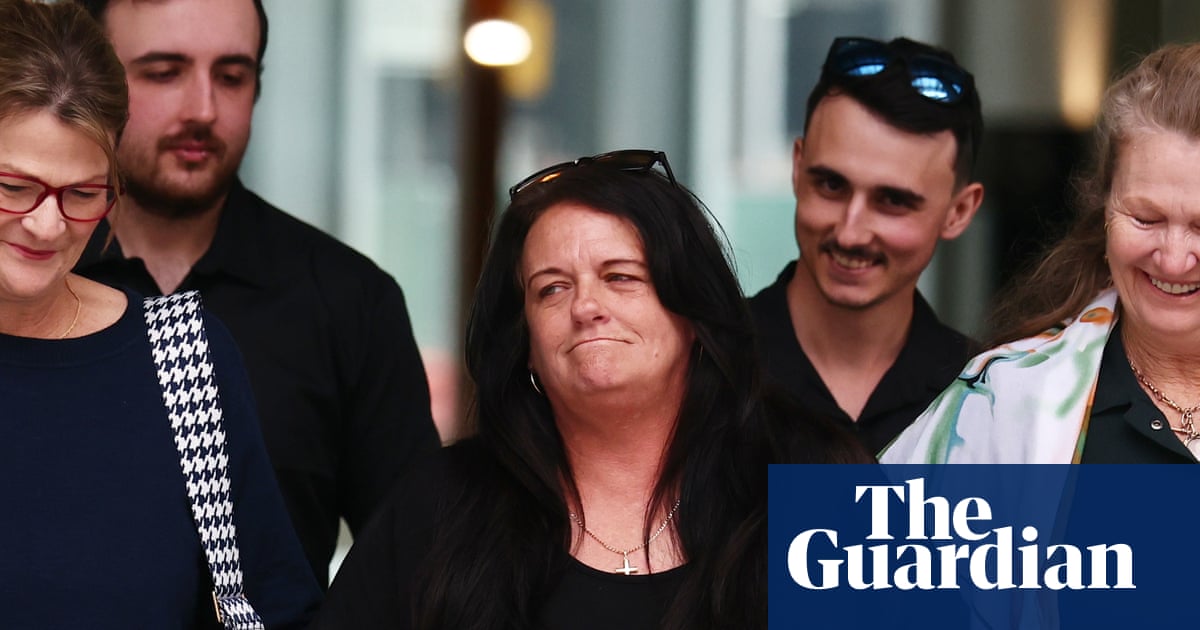
Justice Tom Sullivan sentenced Truswell-Mobbs to two years in prison, suspended immediately due to the fourteen months she had already spent in custody. As she exited the courtroom, she was met with cheers and embraces from family members and supporters who had gathered outside. The emotional release was palpable; Truswell-Mobbs had wept in the dock upon hearing the murder charge dismissed, later telling reporters that she felt relief now that the legal ordeal had concluded.
The case centers on the rapid decline of David Mobbs, a former firefighter diagnosed with an aggressive form of motor neurone disease in April 2023. The degenerative condition quickly stripped him of his physical independence, moving him from a fit and active individual to being entirely bedridden within months. By late December, he had lost the ability to speak, relying instead on blinking, vocalizations, or a letter board operated by lifting his hand to communicate with those around him.
Defense barrister Ruth O’Gorman presented evidence that Mobbs was experiencing significant pain and distress, particularly regarding his loss of bodily autonomy. He could no longer use the toilet independently, a factor cited as contributing to his high level of anguish. According to the defense, Mobbs explicitly begged for death on the night in question. The act was not conducted in secrecy; rather, it occurred with the full knowledge of their sons and several carers present at the home.
A critical element of the case involved the timing of voluntary assisted dying legislation in Queensland, which had been activated earlier in 2023. While Mobbs likely met the eligibility criteria for legal assisted death, the defense argued that accessing these services would have required a minimum of nine days. This delay proved untenable given his deteriorating condition and immediate suffering, prompting the decision to administer the lethal cocktail outside the formal legislative framework.
Crown prosecutor Caroline Marco described the situation as exceptionally difficult, noting the unique pressures Truswell-Mobbs faced. Justice Sullivan acknowledged the challenge of sentencing in a case with few direct precedents. The judge accepted that her actions were driven by compassion rather than malice, leading to the dismissal of the more severe murder charge and the imposition of a suspended sentence instead.
The outcome underscores the friction between statutory assisted dying laws and the realities faced by families dealing with rapid-onset terminal illnesses. While legislation exists to provide legal pathways for end-of-life choices, procedural timelines may not always align with the urgent needs of patients in acute distress. This case illustrates how individuals may resort to extra-legal measures when formal options appear inaccessible within a critical window.
Truswell-Mobbs expressed that her husband would never be forgotten, emphasizing his beauty and character despite the tragic end. The public reaction outside the court suggests broad community sympathy for her position, reflecting wider societal shifts in attitudes toward euthanasia and compassionate care. As similar cases may arise, this ruling provides a reference point for how courts might balance legal strictures with humanitarian considerations.
Legal experts note that while the suspended sentence resolves the immediate charges, it does not change the underlying laws regarding assisted suicide. The case remains a poignant example of the gaps in current end-of-life legislation, particularly concerning wait times and eligibility assessments. Future legislative reviews may need to address these procedural hurdles to prevent similar dilemmas for other families facing terminal diagnoses.
The dismissal of the murder charge represents a nuanced application of justice, recognizing the moral complexity of the situation without endorsing illegal acts. It highlights the importance of context in sentencing, where compassion can mitigate culpability even when laws are technically violated. The case will likely be cited in future discussions about reforming assisted dying laws to better accommodate urgent medical realities.
Sources behind this briefing
Go to the original reporting
- The Guardian US↗Cheers as murder charge dismissed for Queensland woman who helped terminally ill husband die

