The short version
- Queen Camilla has publicly described the personal challenge of keeping King Charles III’s cancer diagnosis confidential during a January 2024 visit to a Maggie’s support center.
- The Queen noted that she felt a strong urge to share her husband’s condition with patients and families but restrained herself until the official palace announcement was made five days later.
- Maggie’s charity reports that the King’s subsequent public disclosure led to a measurable increase in men seeking support, highlighting the impact of royal openness on public health engagement.
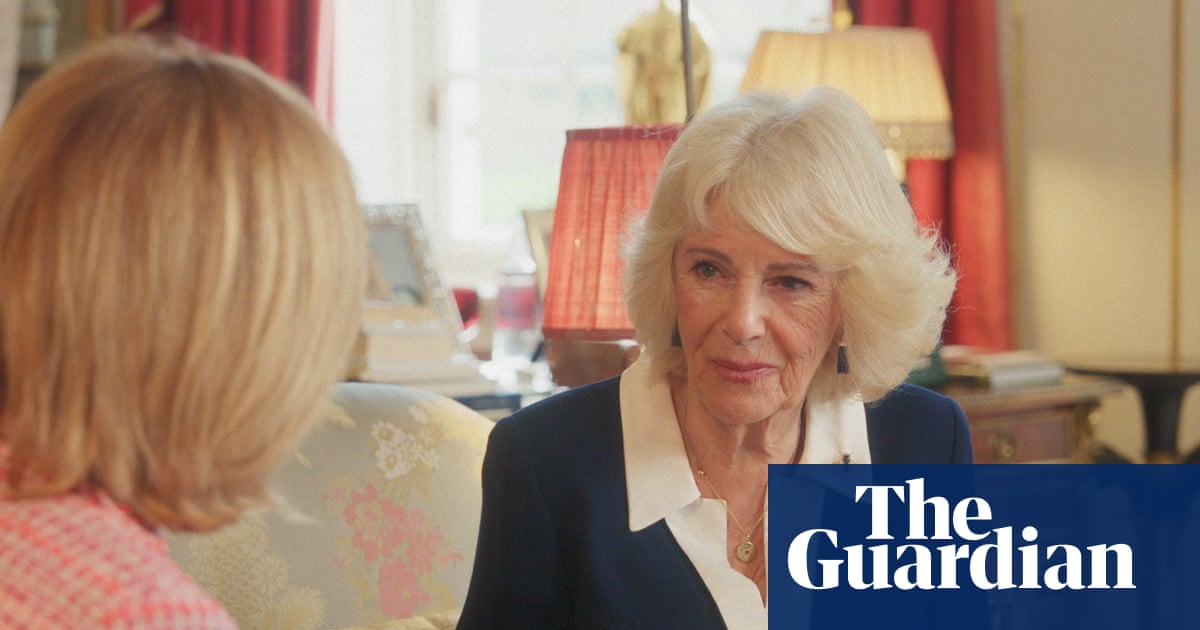
Queen Camilla has provided her first detailed account of the emotional burden she carried while keeping King Charles III’s cancer diagnosis secret. Speaking in a short film released to mark the thirtieth anniversary of Maggie’s, a charity dedicated to supporting cancer patients and their families, the Queen described the experience as profoundly difficult. The video offers a rare glimpse into the private pressures faced by the royal family during the early stages of the King’s treatment, revealing how closely his personal health crisis intersected with her official duties.
The specific incident Camilla recalls took place in late January 2024, when she attended an engagement to launch a new Maggie’s center at the Royal Free Hospital in London. At that time, Charles had already been diagnosed with cancer and was undergoing treatment for an enlarged prostate, but the information had not yet been released to the public. The official announcement from Buckingham Palace would follow just five days later, on February 5. During the hospital visit, Camilla found herself surrounded by individuals suffering from cancer and their relatives, creating a tense atmosphere where she felt compelled to speak but was bound by protocol to remain silent.
In conversation with Dame Laura Lee, the chief executive of Maggie’s, Camilla admitted that she nearly revealed her husband’s condition. She described feeling a strong desire to let out the news, acknowledging that the timing made it impossible to do so. The Queen explained that she felt it was not the appropriate moment to disclose the information, despite the personal weight of carrying the secret. This restraint was necessary because the palace had not yet coordinated the public release of the medical details, leaving her in a position where she could not share what she knew with those around her.
The experience altered Camilla’s perspective on her interactions with patients and their families. She noted that during this particular visit, she felt inclined to question visitors more deeply than usual, though she consciously avoided prying too far into their personal struggles. The Queen observed the suffering of others and the strain placed on their relations, which reinforced her understanding of the vital role these support centers play. This realization came at a time when she was beginning to process her own transition from a supporter of cancer patients to someone directly affected by the disease through her husband.
Camilla also reflected on how the diagnosis shifted her domestic responsibilities. She remarked that the issue had not previously impacted their home life, but suddenly she found herself in the position of caring for her husband and trying to understand his medical journey. The Queen described Charles’s approach to his illness as determined and resilient, noting that he refused to let the diagnosis halt his official engagements. She recalled him stating that continuing with his duties was his way of coping, a sentiment that underscores his commitment to public service even during periods of significant health challenges.
The King returned to public-facing roles in April 2024, less than three months after beginning treatment. While the specific type of cancer remains undisclosed, Buckingham Palace has consistently reported that his health is moving in a positive direction. More than two years after the initial diagnosis, Charles continues to receive treatment, yet he maintains an active schedule. The Queen’s comments highlight the contrast between the private reality of managing a serious illness and the public expectation for the monarch to remain steadfast in his duties.
The release of this film serves not only as a personal reflection but also as a promotion for the services provided by Maggie’s. The charity operates twenty-seven drop-in centers across the United Kingdom, located near major NHS hospitals. These facilities offer free emotional, psychological, and practical support to anyone affected by cancer, with no appointments required. Camilla used the platform to advocate for every hospital to have access to such resources, emphasizing their importance for both patients and their loved ones.
The impact of the King’s public disclosure has been tangible, according to charity officials. Maggie’s reported a twelve percent increase in men contacting them following the announcement of Charles’s diagnosis. Dame Laura Lee noted that the King’s openness encouraged others to be more transparent about their own health struggles. The Queen’s willingness to share her emotional response further illuminates the need for support systems that address the needs of family members and friends, who often face significant stress while caring for those with cancer.
This revelation adds a layer of depth to the public understanding of the royal family’s recent health challenges. By sharing her experience, Camilla has helped normalize the discussion around cancer and the importance of seeking help. The film underscores the human side of the monarchy, showing how personal crises are managed behind closed doors before being shared with the world. As the King continues his treatment, the Queen’s reflections serve as a testament to the resilience required to navigate such difficult circumstances while maintaining public composure.
Looking ahead, the focus remains on the ongoing support provided by organizations like Maggie’s and the continued health of the King. The charity’s mission to provide accessible care without barriers aligns with the broader goals of improving mental and emotional well-being for cancer patients. Camilla’s advocacy highlights the critical role these centers play in the healthcare ecosystem, offering a safe space for individuals to process their experiences. The public response to the King’s diagnosis suggests that royal transparency can have a positive ripple effect, encouraging greater engagement with health services.
Sources behind this briefing
Go to the original reporting
- The Guardian World↗Camilla found it ‘difficult’ keeping king’s cancer diagnosis private before announcement
- BBC News↗Camilla admits it was 'difficult' to keep King's cancer diagnosis a secret

