The short version
- Iran accuses Qatar of detaining three pilots since March, while Doha denies holding any prisoners and claims it attempted to coordinate the return of remains.
- Qatari officials state they invited an Iranian fact-finding team in April to review search operations, but Tehran has not responded to the offer.
- The dispute highlights ongoing friction between Gulf states and Iran as military hostilities continue between Washington and Tehran.
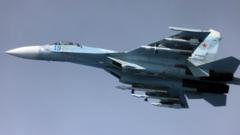
A diplomatic dispute has emerged between Qatar and Iran over the fate of three Iranian pilots following a military operation earlier this year. Tehran alleges that Doha is holding the aviators captive, a claim that Qatari authorities have firmly rejected. The controversy centers on an incident from March 2, 2026, when two Su-24 fighter jets were reportedly used in a mission targeting a Qatari military base during the initial phase of the conflict between the United States and Iran.
Iranian Brigadier General Mohammad Bagherzadeh addressed the head of the International Committee of the Red Cross in a letter published by Iranian media outlets. He asserted that Javad Salehi, Abdul Majid Dashtian, and Imran Behroshian have been detained for six months after ejecting from their aircraft during the combat mission. The general accused Qatar of violating international law and denying the prisoners contact with their families or legal representation.
The letter also noted that the body of a fourth pilot, Majid Kazemi, had been returned to Iran after he was killed in the same operation. Bagherzadeh described the situation as a breach of the inalienable rights of prisoners of war, urging international bodies to intervene. He further demanded that Qatar allow an Iranian fact-finding team to enter the country to investigate the circumstances surrounding the capture and detention.
Qatar’s foreign affairs spokesperson, Majed Mohammed Al Ansari, issued a statement categorically denying the allegations. He expressed surprise at what he termed misleading statements from Tehran. According to Al Ansari, Qatari forces took necessary measures to defend their territory after Iranian aircraft violated national airspace. The spokesperson emphasized that all actions were conducted in accordance with international law.
Al Ansari stated that Qatari search and rescue teams carried out extensive efforts to locate the pilots. He claimed that Doha had contacted Iran to coordinate the handover of remains recovered from one of the downed aircraft. However, he noted that these communication attempts did not yield a response from Iranian officials. The spokesperson maintained that no prisoners are being held by Qatari authorities.
The disagreement extends to procedural matters regarding transparency and investigation. Bagherzadeh told Tasnim news agency that an Iranian team had been denied entry into Qatar for months, preventing them from verifying the claims of captivity. In contrast, Al Ansari stated that an invitation for an Iranian delegation to visit Qatar and review the findings of search and rescue operations was extended in April. He asserted that Tehran has yet to respond to this invitation.
This exchange occurs against a backdrop of continued military tension in the region. The United States and Iran remain engaged in hostilities, with recent reports indicating ongoing mediation efforts by Qatari officials. Despite these diplomatic initiatives, no direct talks have been planned between Washington and Tehran. The incident involving the pilots underscores the complex web of alliances and conflicts in the Middle East.
The lack of resolution regarding the pilots’ status raises questions about accountability and adherence to international humanitarian law. Both nations present conflicting narratives about communication and cooperation. As the conflict persists, the fate of the three aviators remains unclear, with Iran insisting on their captivity and Qatar maintaining that no such detention exists. The situation highlights the challenges of verifying claims in active war zones.
Observers note that the dispute may impact broader diplomatic relations between Gulf states and Iran. Qatar has positioned itself as a mediator in various regional conflicts, including those involving the United States and Iran. The denial of holding prisoners aligns with Doha’s efforts to maintain neutrality and facilitate dialogue. However, Tehran’s accusations could strain these relationships if not addressed through verified channels.
The International Committee of the Red Cross has been brought into the conversation by Iran’s formal complaint. Whether the organization will intervene or request access to verify the claims remains uncertain. The absence of a response from Iran to Qatar’s invitation for investigation suggests a breakdown in direct communication between the two governments. This impasse leaves the truth about the pilots’ whereabouts obscured by competing official statements.
Sources behind this briefing
Go to the original reporting
- BBC World↗Qatar denies capturing three Iranian pilots after downing fighter jets

