The short version
- The inquiry report characterizes the Aukus pact as the riskiest and most expensive defense decision in Australian history.
- Leaders of the review call for an immediate stop to submarine plans and warn that local bases could become military targets.
- Significant concerns remain regarding nuclear waste management, lack of parliamentary oversight, and uncertain delivery timelines from partner nations.
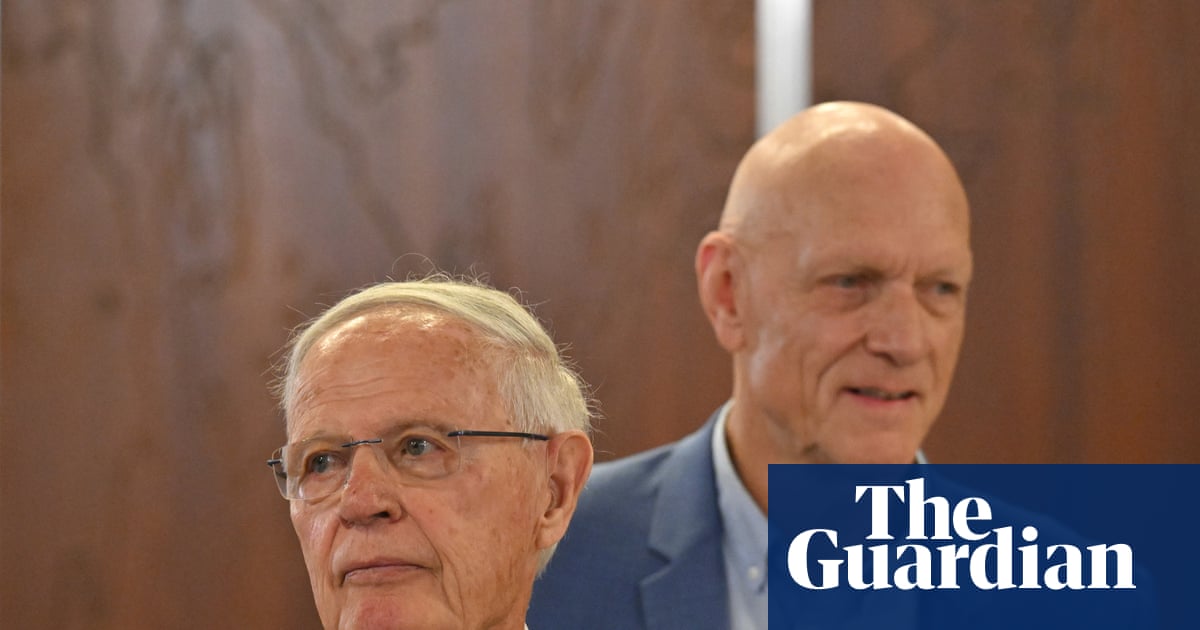
A comprehensive public inquiry into Australia’s Aukus defense partnership has issued a stark condemnation of the nuclear submarine agreement, describing it as the most hazardous and financially burdensome security commitment in the nation’s history. The report, titled Surrendering Australia: the Aukus Deception, was led by former Labor politician Peter Garrett and ex-chief of defense Admiral Chris Barrie. After reviewing more than one thousand public submissions and conducting hearings across the country, the panel recommended that the current government immediately suspend all plans related to the acquisition of nuclear-powered submarines.
The inquiry argues that the deal significantly compromises Australian sovereignty and undermines long-standing international commitments to nuclear non-proliferation. According to the findings, the presence of powerful nuclear submarines on Australian soil increases the likelihood of the country being drawn into military conflict with China. The report suggests that the agreement was conceived in secrecy, bypassing established parliamentary oversight and defense scrutiny mechanisms that have been neglected for five years since the pact’s announcement by the previous Morrison government.
Garrett and Barrie are calling for a royal commission to investigate the agreement further and recommend a fundamental recalibration of Australia’s relationship with Beijing. They also urge a reworking of the second pillar of Aukus, which focuses on technology sharing and defense capabilities. The inquiry highlights that the current Labor government has failed to conduct a thorough review of this significant defense arrangement since taking office, leaving critical questions about national security strategy unanswered.
A central concern raised in the report is the potential transformation of the Stirling defense precinct in Perth into a de facto United States military base. The inquiry warns that hosting up to two thousand American service personnel could make nearby communities, including Rockingham and Fremantle, viable targets for attack. Barrie stated that the submarine plan is untenable and urged the government to scrap it immediately while rebuilding national security decision-making processes to ensure greater transparency and accountability.
Financial implications remain a major point of contention. While the Australian government estimates the total cost of the deal at 0.15 percent of GDP over its lifetime, the inquiry projects an additional $180 billion will be required to manage nuclear waste generated by the submarine fleet. This includes high-level radioactive waste from reactor cores and spent fuel, which remains toxic for thousands of years. To date, Australia has not identified a permanent storage site for this hazardous material, raising serious environmental and logistical concerns.
The timeline for receiving submarines is also fraught with uncertainty. Under the agreement, Australia is expected to begin receiving secondhand Virginia-class nuclear submarines from the United States around 2032, with another arriving every four years until an Australian-built model becomes operational in 2042. However, delays and cost overruns in US Navy submarine production have fueled skepticism about whether these vessels will be available for transfer. Garrett noted that there are no enforceable obligations on partner countries to deliver the submarines, nor are there refunds or recourse if the deal fails.
Despite support from former Prime Minister Donald Trump following a Pentagon inquiry in 2025, and a year-long review by the UK parliament, opposition to Aukus remains strong within Australia. Former prime ministers Paul Keating and Malcolm Turnbull, along with ex-foreign affairs ministers Gareth Evans and Bob Carr, have expressed doubts about the deal’s alignment with national interests. Environmental and security campaigners, as well as some members of the Labor party, continue to argue that the agreement poses unacceptable risks.
The inquiry calls for independent reviews by the auditor general and federal parliament to address the lack of scrutiny surrounding the pact. It emphasizes that the absence of enforceable commitments from partner nations leaves Australia vulnerable if geopolitical circumstances change or if delivery schedules slip. As debates intensify, the report serves as a formal challenge to the current defense strategy, urging policymakers to reconsider the long-term consequences of aligning so closely with US and UK military capabilities at the expense of regional stability and domestic oversight.
Sources behind this briefing
Go to the original reporting
- The Guardian World↗Aukus is ‘worst, riskiest and most costly’ Australian defence decision ever, public inquiry into submarine deal says


