The short version
- Voters elected numerous doctors and public health officials to federal and state offices, marking a significant departure from previous election cycles.
- The results reflect widespread dissatisfaction with the Trump administration's approach to healthcare affordability, vaccine policy, and reproductive rights.
- New leadership in key states like Texas and Georgia is expected to reverse legal challenges against medical providers and expand access to care.
The recent midterm elections produced a decisive shift in American political leadership, characterized by the widespread victory of candidates with backgrounds in public health and medicine. Voters across multiple states chose representatives who prioritized healthcare accessibility, vaccination efforts, and reproductive rights, effectively repudiating the policies enacted by the current administration. This trend suggests that concerns over rising medical costs, vaccine-preventable disease outbreaks, and restrictions on personal healthcare decisions have become central drivers of electoral outcomes.
Julie Scofield, a coordinator for the grassroots group Defend Public Health, described the results as a complete rejection of President Trump’s agenda since taking office. The election saw an unprecedented number of candidates running on platforms centered on public health issues. This surge in medically trained politicians reflects a growing demand for evidence-based policy and a desire to stabilize healthcare systems that many voters feel have been undermined by recent political maneuvers.
In Texas, the change in leadership is expected to bring immediate relief to medical professionals who faced aggressive legal scrutiny under the previous administration. Attorney General Ken Paxton had pursued lawsuits against pediatricians administering vaccines and providers mailing abortion pills, while also labeling gender-affirming care for minors as child abuse. His successor has already indicated plans to drop several of these legal actions, signaling a potential end to the state’s hostile stance toward certain medical practices.
Georgia witnessed historic gains in representation, with Keisha Lance Bottoms becoming the first Black woman elected governor of a U.S. state. As former Atlanta mayor, Bottoms had previously clashed with Republican Governor Brian Kemp over pandemic response measures. Additionally, microbiologist Jasmine Clark will join the U.S. House, and Senator Jon Ossoff secured re-election by pledging universal healthcare access. These victories in the home state of the Centers for Disease Control and Prevention underscore a strong local commitment to public health infrastructure.
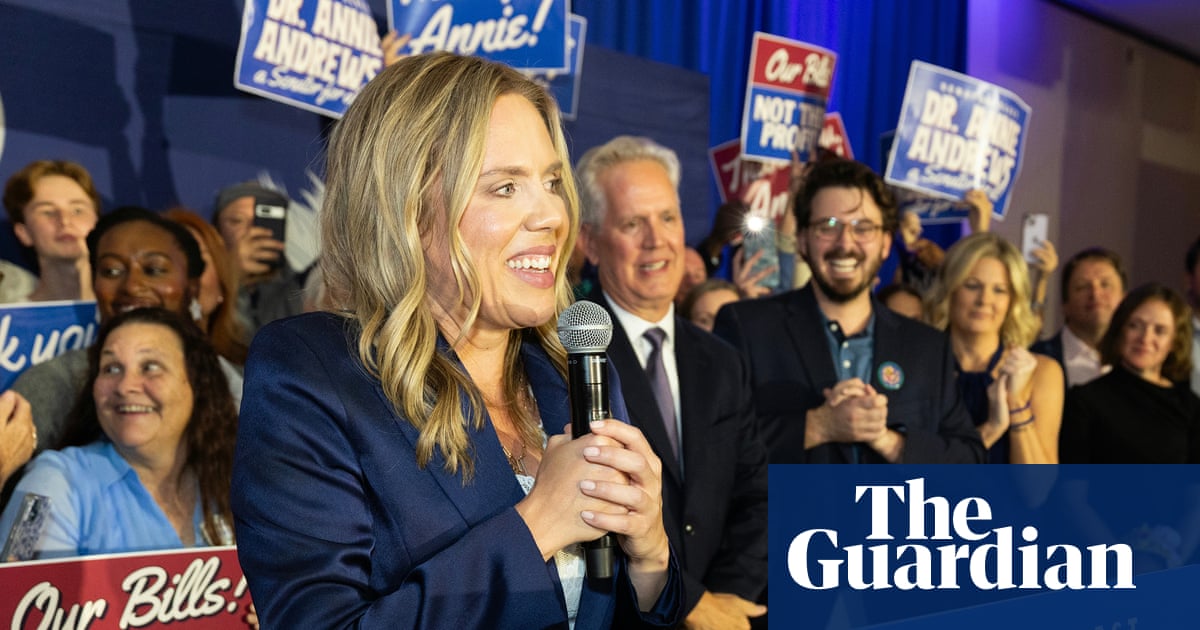
Other notable wins include Annie Andrews, who will become the first pediatrician in the U.S. Senate after campaigning on improving vaccination rates in South Carolina amid severe measles outbreaks. Abdul El-Sayed, a public health leader during the pandemic, was elected senator from Michigan, while Richard Pan, a California pediatrician known for eliminating vaccine exemptions, will serve in the House. These candidates successfully framed their medical expertise as an asset rather than a liability, despite opponents attempting to use their pandemic-era roles against them.
The election also highlighted voter resistance to restrictions on reproductive and gender-affirming care. In Virginia, residents passed a constitutional amendment protecting marriage equality and reproductive rights. Anti-transgender advertising campaigns launched by some candidates appeared to backfire, according to public health advocates. While some politicians like Annie Andrews and James Talarico adjusted their public stances on gender-affirming care, the overall trend favored candidates who supported broader healthcare access and bodily autonomy.
For individual voters, these political shifts carry tangible implications for personal health security. Mallory Harris, a scientist in Austin, delayed starting a family due to fears about accessing vaccines and abortion care. With Texas experiencing its worst measles year in decades, her anxiety was compounded by the lack of paid parental leave. The election results have alleviated some of this fear, as she noted that scientists and physicians are now holding office in record numbers, particularly in areas affected by disease outbreaks.
Looking ahead, the new wave of public health leaders faces the challenge of reversing policy damage and rebuilding trust in medical institutions. Democrats flipped several state houses and legislatures, positioning themselves to reshape laws regarding Medicaid, Affordable Care Act subsidies, and nutrition assistance programs. As these officials take office, their ability to implement changes will depend on navigating complex federal-state dynamics and addressing the lingering effects of recent healthcare disruptions.
The midterm outcomes suggest that public health is no longer a niche concern but a mainstream political priority. Voters have clearly signaled their preference for leaders who understand medical science and prioritize community well-being over ideological battles. This shift may influence future legislative agendas, particularly regarding pandemic preparedness, vaccine distribution, and the protection of healthcare providers from legal harassment.
As the new Congress convenes, the focus will likely turn to concrete actions that address the affordability crisis and restore stability to public health systems. The election of doctors and scientists to high office marks a historic moment in American politics, reflecting a desire for governance grounded in expertise and compassion. Whether these leaders can deliver on their promises remains to be seen, but the mandate from voters is clear: prioritize health, protect access, and reject policies that endanger public well-being.
Sources behind this briefing
Go to the original reporting
- The Guardian US Politics↗‘A complete repudiation’: public health won big in US midterm elections