The short version
- Providence residents voted 75 percent in favor of a measure requiring the city to stop investing in entities linked to actions described as genocide or apartheid.
- The campaign succeeded after legislative efforts failed, relying on a massive grassroots canvassing operation led by a diverse coalition including Jewish Voice for Peace and the Democratic Socialists of America.
- Organizers view the result as a replicable model for other municipalities, highlighting a broader shift in public opinion regarding US support for Israel’s military actions in Gaza.
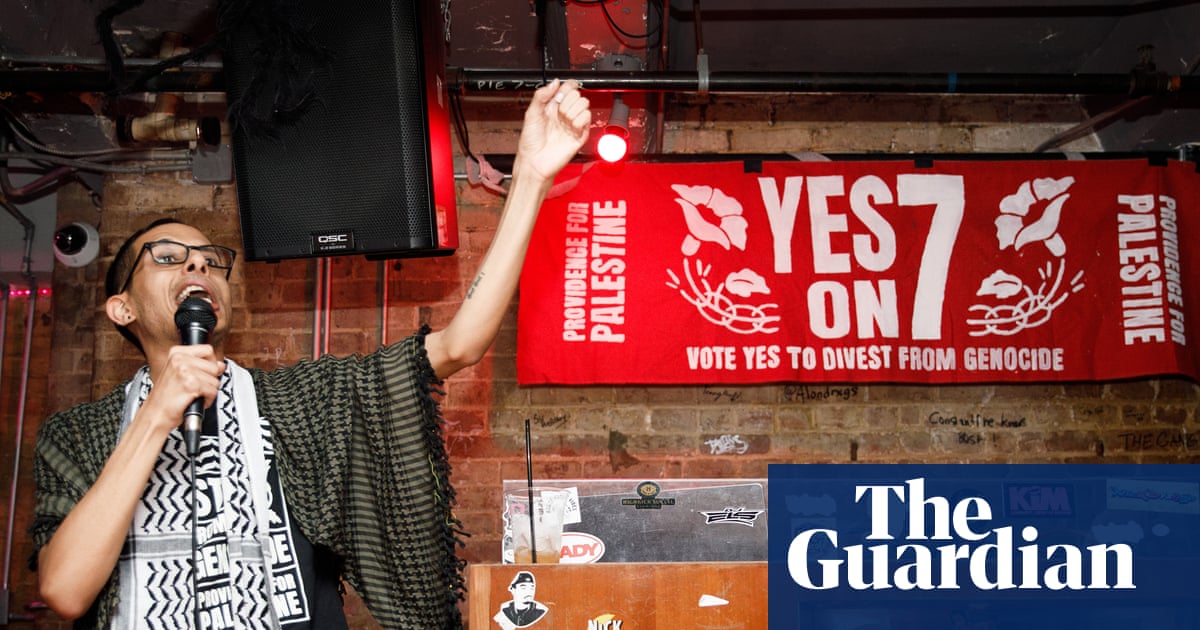
Voters in Providence, Rhode Island, have approved a historic ballot measure requiring the city to divest from foreign countries and companies that profit from what organizers describe as genocide, apartheid, ethnic cleansing, and prolonged military occupation. The initiative passed with approximately 75 percent of the vote, making Providence the second municipality in the United States to enact such a policy through direct voter approval. This outcome reflects a significant alignment between local political action and shifting national public opinion regarding the Israeli government’s conduct in Gaza.
The decision emerges against the backdrop of recent midterm elections that saw a surge in progressive candidates advocating for an end to the war in Gaza. In Providence, this political shift was evident as pro-Palestinian candidates defeated opponents backed by major pro-Israel lobbying groups. The ballot measure itself represents a pivot from traditional legislative channels, which had previously blocked similar efforts. In 2024, then-Mayor Brett Smiley and city councilors rejected an ordinance to divest from Israel, while Brown University also turned down a student-led proposal for similar financial separation.
Prior to the vote, the city held at least $2.5 million in investments tied to companies profiting from the conflict, along with more than $2 million in Israeli bonds as recently as 2022. Organizers argued that these funds supported actions they characterized as genocidal. The new mandate requires the city to refrain from investing in entities linked to these activities, effectively removing municipal money from such holdings. This financial separation is intended to signal a moral stance against the ongoing military operations and their humanitarian impact.
The campaign for the ballot measure was driven by a broad coalition that included Jewish Voice for Peace, the Democratic Socialists of America, the American Federation of Teachers, American Muslims for Palestine, and Reclaim RI. Zack Kligler, an organizer with Jewish Voice for Peace in Rhode Island, noted that the group launched the effort with only 40 volunteers less than a year ago. The coalition decided to pursue a ballot strategy after traditional legislative avenues proved unsuccessful, aiming to bypass political resistance by appealing directly to the electorate.
To qualify the measure, organizers collected more than 10,000 signatures, which was twice the required threshold. They then executed an extensive outreach campaign involving nearly 300 volunteers stationed at street corners, businesses, and community events. The effort included knocking on 17,000 doors, making 18,000 phone calls, and engaging in conversations with 30,000 residents about the situation in Gaza and the specifics of divestment. Adit Sabnis, a Brown University graduate student and union organizer, described the response as overwhelmingly positive, with many citizens expressing gratitude for having a tangible way to act on their concerns.
A key factor in the measure’s success was the active participation of Jewish organizers and voters, challenging the narrative that American Jews uniformly support Israeli government policies. Kligler emphasized that the campaign mobilized Jewish residents across all wards, including those with high Jewish populations. Jackie Goldman, an incoming city councilor and key organizer, observed that many voters were initially unaware of the city’s financial ties to Israel but became eager supporters upon learning the details, viewing divestment as an empowering action.
The electoral victories of progressive candidates in Providence also bolstered the campaign. Mayor-elect David Morales, a member of the Democratic Socialists of America, and Goldman both gathered signatures for the measure while campaigning for their own offices. Kligler noted that this dynamic demonstrated a shift where the movement is not just endorsing candidates but actively shaping policy priorities and pulling elected officials behind them. This approach contrasts with previous strategies where advocacy groups relied solely on lobbying existing leadership.
Organizers view the Providence victory as a blueprint for other cities seeking to implement similar divestment policies. The coalition has shared its tactics and lessons through social media, encouraging organizers nationwide to reach out for guidance. While the group is not currently planning another ballot effort in Providence, interest from other municipalities suggests the strategy may be replicated elsewhere. This development underscores a growing trend of local governments taking independent stances on foreign policy issues, driven by grassroots pressure rather than federal direction.
The broader context includes polling data indicating that one-third of Americans, including a similar share of Jews, believe Israel has committed genocide against Palestinians. More than half of respondents in recent surveys expressed a desire for the US government to halt weapons shipments to Israel. The Providence vote aligns with this souring public opinion, reflecting a disconnect between official foreign policy and the views of many citizens. As other cities consider similar measures, the success in Rhode Island may serve as a catalyst for further local action on this contentious issue.
Looking ahead, the implementation of the divestment mandate will require careful navigation by city officials to ensure compliance while managing potential legal or financial challenges. The incoming administration, led by Morales and including Goldman, is expected to prioritize the execution of the voters’ will. For national pro-Palestinian groups, the result offers a validated model for combining direct democracy with grassroots mobilization. The outcome in Providence signals that local political landscapes are becoming increasingly receptive to demands for accountability regarding US support for Israel’s actions in Gaza.
Sources behind this briefing
Go to the original reporting
- The Guardian US Politics↗How a small, newly socialist US city became the second to vote to cut ties with Israel