The short version
- More than one hundred individuals were arrested outside the United Nations headquarters during Benjamin Netanyahu’s address, including prominent actors, activists, and elected officials.
- Demonstrators from diverse backgrounds cited moral objections to US military support for Israel and called for an end to the conflict in Gaza.
- The protests highlight a broader political realignment where opposition to Israeli military aid has become a viable platform for candidates in recent primary elections.
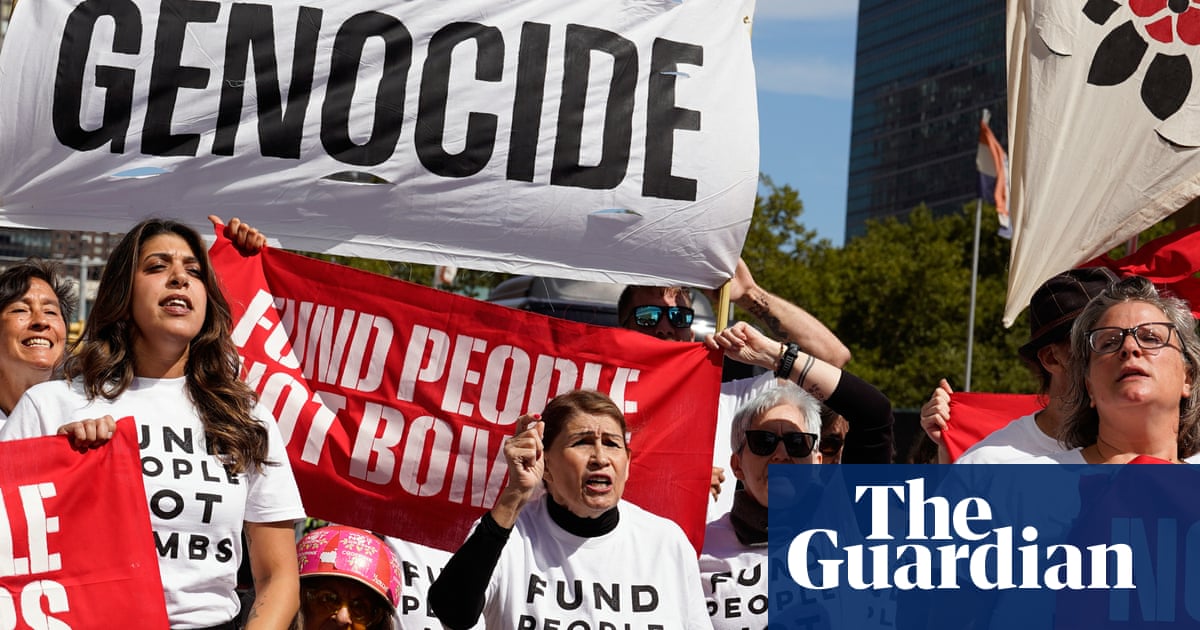
A significant wave of civil unrest unfolded in New York City on Thursday, coinciding with Israeli Prime Minister Benjamin Netanyahu’s address to the United Nations General Assembly. The event triggered widespread demonstrations that resulted in more than one hundred arrests by the New York Police Department. The protests drew a diverse coalition of participants, including Jewish, Palestinian, Iranian, and Lebanese residents, alongside several elected officials and candidates running for office in the upcoming November elections. The scale of the disruption was substantial enough to divert official vehicles heading toward the UN complex as demonstrators occupied streets for over an hour.
The demonstrations were characterized by a mix of civil disobedience and vocal opposition to current US foreign policy. Protesters wore shirts advocating for humanitarian aid over military spending and chanted slogans demanding an end to the violence in Gaza. Organizers noted that the actions were intended to challenge what they described as the immunity enjoyed by the United States and Israel regarding international law. One organizer from the Palestinian Youth Movement stated that member states have a duty to confront the perceived projection of brute force by American and Israeli leadership, particularly in light of the ongoing destruction in Gaza.
Among those detained were several high-profile figures from the entertainment and activism sectors. Actor Susan Sarandon, whistleblower Chelsea Manning, comedian Caleb Hearon, and actor Hannah Einbinder were all arrested during the events. Other notable detainees included model Indya Moore, author Glennon Doyle, activist Linda Sarsour, rabbi Abby Stein, and writer David Valesco. Many of these individuals remained at the scene after police orders to disperse, choosing to be taken into custody rather than resist arrest. Their participation underscored a growing willingness among public figures to engage directly in civil disobedience regarding Middle East policy.
The protests extended beyond the immediate vicinity of the UN headquarters. Earlier in the week, members of the Democratic Socialists of America held a rally at John F. Kennedy International Airport to protest the export of weapons and explosive materials destined for the Israeli military. On Thursday afternoon, an estimated few thousand people marched from Bryant Park to the UN, carrying Palestinian flags and banners calling for sanctions against Israel. The march was accompanied by a brass band and drummers, creating a visible and audible display of dissent that swelled as it approached the diplomatic center.
Participants emphasized that their opposition was rooted in moral and humanitarian concerns rather than partisan politics. Beth Miller, political director of Jewish Voice for Peace Action, which coordinated one of the protests, stated that New Yorkers, including Jewish residents, do not want individuals they view as war criminals to visit the city. She cited a death toll of over 75,000 Palestinians in Gaza, describing it as a severe undercount and framing the conflict as a genocide. This sentiment was echoed by Hannah Einbinder, who described her participation as a moral obligation as a Jew, an American, and a human being.
The intensity of these demonstrations reflects a broader shift in US public opinion regarding Israel. While protests have historically accompanied Netanyahu’s UN appearances, the current wave is distinguished by its connection to domestic political changes. Opposition to Israel’s war in Gaza has begun to influence electoral outcomes, with several leftist candidates winning primaries earlier this year by openly calling for an end to US military aid to Israel. In some districts, reflexive support for Israel has transitioned from a political prerequisite to a potential liability for candidates.
Several elected officials and candidates who had recently secured primary victories were present at the Thursday protests. New York’s Darializa Avila Chevalier and Brad Lander, Pennsylvania’s Chris Rabb, New Jersey’s Adam Hamawy, and Colorado’s Melat Kiros all participated in the demonstrations. At least ten city council members and state officials were arrested, including Chi Ossé and Tiffany Cabán. Chevalier, whose primary win had surprised the political establishment, emphasized the importance of sending a message that New Yorkers do not support the current trajectory of US involvement in the conflict.
The diplomatic context of Netanyahu’s speech added to the tension. Dozens of UN delegates walked out during his address, signaling international dissatisfaction with Israel’s stance. The protests served as a domestic mirror to this international isolation, illustrating how the geopolitical fallout from the war in Gaza is resonating within American cities and political circles. As the November elections approach, the visibility of these protests suggests that foreign policy, particularly regarding the Middle East, may play an increasingly significant role in voter sentiment and candidate platforms.
Looking ahead, the impact of these arrests and demonstrations on the broader political landscape remains to be seen. However, the presence of elected officials and the scale of public participation indicate a deepening rift between traditional bipartisan support for Israel and a growing segment of the electorate demanding policy changes. The events in New York highlight how international conflicts are increasingly shaping domestic political discourse, with activists and politicians alike leveraging public demonstrations to pressure the US government to reconsider its military assistance to Israel.
Sources behind this briefing
Go to the original reporting
- The Guardian World↗Netanyahu’s speech at UN spurs protests in New York City: ‘Let Gaza live’

