The short version
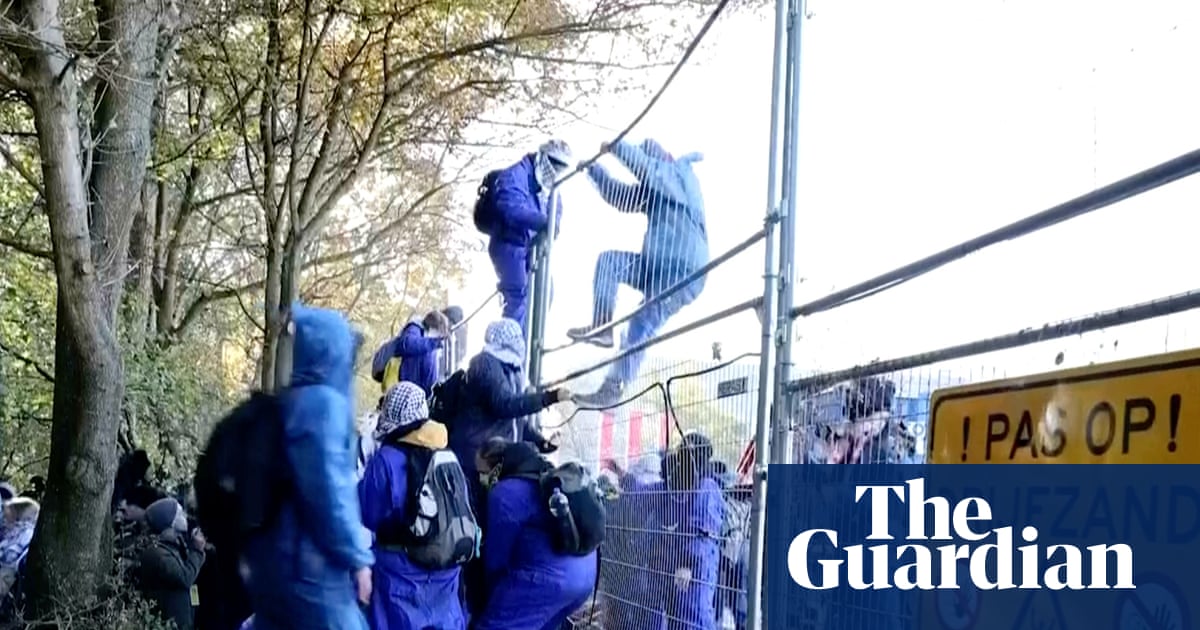
- Activists from Geef Tegengas breached the perimeter of a Microsoft datacenter construction site in Amsterdam, clashing with police who used force to disperse the crowd.
- The incident occurred alongside a broader European campaign by over one hundred groups demanding moratoriums on new datacenters due to energy consumption and lack of public consultation.
- Microsoft and the site owner Pure Data Centres condemned the unlawful entry while acknowledging the right to peaceful protest, as governments continue to prioritize AI development for economic and security reasons.
A significant confrontation unfolded in Amsterdam on Thursday when activists breached the security perimeter of a construction site designated for a new Microsoft datacenter. Members of Geef Tegengas, a Dutch direct action organization, entered the Westpoort area, where they climbed cranes, ignited flares, and attached helium balloons to machinery. Police attempted to block the intrusion and arrest participants but reported being unable to fully prevent the occupation without using force, which resulted in minor injuries to one officer. Activists countered that law enforcement deployed teargas and physical force to push back those trying to enter the site.
This specific breach was distinct from a coordinated pan-European initiative known as Stop Dirty Data Centres, whose affiliated members remained outside the fence at the Amsterdam location. The broader coalition, which includes branches of Greenpeace and Friends of the Earth, organized a two-day series of demonstrations involving more than one hundred groups across the continent. These protests aim to demand immediate pauses on the construction of new data facilities, citing widespread public concern over the rapid expansion of energy-intensive artificial intelligence infrastructure.
While the Amsterdam breach was uncoordinated with the larger coalition, organizers expressed understanding for the escalation in tactics. Owen Espley, a campaign coordinator for Stop Dirty Data Centres, noted that communities are increasingly frustrated by their exclusion from decision-making processes regarding local environmental impacts. He emphasized that large-scale developments often proceed with limited transparency, leaving residents shut out of choices that will fundamentally shape their surroundings and future resources.
The protests in the Netherlands were part of a wider wave of dissent seen across Europe. Smaller demonstrations took place in Bristol, United Kingdom; Berlin, Germany; Warsaw, Poland; and Zagreb, Croatia. In Amsterdam, banners displayed by protesters objected not only to the environmental footprint of the facility but also to Microsoft’s business relationships with the Israeli military and US Immigration and Customs Enforcement. Roos Molenaar, an activist from Geef Tegengas, framed the opposition as part of a larger struggle against oppression, arguing that the datacenter consumes local drinking water to enrich wealthy corporations while facilitating harmful technologies.
Government responses across Europe have largely supported the expansion of AI infrastructure, viewing it as essential for boosting tax revenues and maintaining competitiveness against the United States and China. Some officials have framed the race for computing power as a matter of national security. However, this top-down approach has clashed with growing public anger over the societal costs of AI, including rising energy bills, job displacement, and concerns about democratic erosion. The tension is evident in recent political shifts, such as the approval of multiple datacenter moratoriums on ballots during US midterm elections earlier this week.
Both Microsoft and Pure Data Centres, the owner of the Amsterdam site, issued statements addressing the unrest. A Microsoft spokesperson stated that while they respect the right to peaceful expression, they do not condone unlawful actions that jeopardize safety. Similarly, a representative for Pure Data Centres described entering an active construction zone as dangerous and illegal, urging those on site to leave safely and engage in dialogue about their concerns. Both companies emphasized that the wellbeing of everyone at and around the location remained their primary priority.
The ecological implications of the datacenter boom have raised alarms among climate scientists, who point to the massive energy demands of AI systems. Beyond environmental issues, recent investigations have highlighted dangerous working conditions for laborers building these facilities, adding another layer of public scrutiny. As protests continue into the weekend, the conflict underscores a deepening divide between corporate and governmental ambitions for technological advancement and community demands for accountability, sustainability, and democratic participation in infrastructure planning.
The situation in Amsterdam serves as a focal point for broader European anxieties about the unchecked growth of big tech. While authorities seek to balance economic incentives with regulatory oversight, activists argue that current development models prioritize profit over public interest. The use of direct action by groups like Geef Tegengas signals a shift in protest strategies, reflecting frustration with traditional channels of engagement. As more datacenters come online, the pressure on local governments and tech companies to address these multifaceted concerns is likely to intensify.
Sources behind this briefing
Go to the original reporting
- The Guardian World↗Activists break into building site of Microsoft datacentre in Amsterdam


