The short version
- The defense concluded its presentation by calling a forensic psychiatrist who previously testified in the Andrea Yates case to support claims of postpartum psychosis.
- Prosecutors introduced rebuttal witnesses, including a psychiatrist who argued Clancy suffered from depression and anxiety but remained capable of conforming her behavior to legal standards.
- The trial has sparked public demonstrations regarding maternal mental health care, with supporters gathering outside the courthouse to highlight systemic neglect of postpartum conditions.
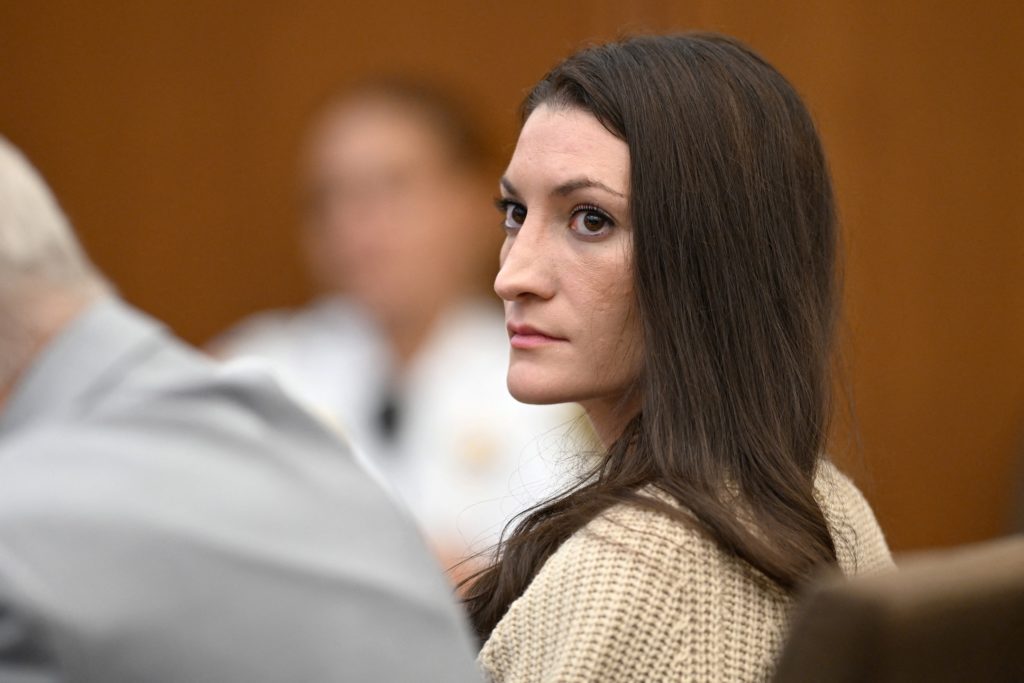
The murder trial of Lindsay Clancy entered a critical phase on Friday as the defense rested its case, marking the end of testimony aimed at establishing that Clancy was not criminally responsible for killing her three young children. The legal team presented evidence focusing on Clancy’s mental state in the period leading up to the deaths of Callan, Dawson, and Cora, who were eight months, three years, and five years old respectively. Defense attorneys have consistently maintained that while Clancy physically caused the deaths by strangulation, she was suffering from severe postpartum psychosis at the time, a condition they argue negates criminal intent.
A central figure in the defense’s strategy was Dr. Phillip Resnick, a forensic psychiatrist whose expertise has been pivotal in high-profile cases involving maternal mental health, including the trial of Andrea Yates. In 2006, after a retrial, Yates was found not guilty by reason of insanity for drowning her five children, with medical professionals testifying that she suffered from severe postpartum psychosis. By calling Resnick, Clancy’s legal team sought to draw parallels between the two cases, emphasizing the debilitating nature of the condition and its impact on a mother’s ability to perceive reality or understand the wrongfulness of her actions.
Following the defense’s rest, prosecutors moved quickly to present their rebuttal case, a standard procedure in trials where an insanity defense is raised. The state called three witnesses before preparing for closing arguments, which are expected to begin later in the week under Judge William Sullivan’s schedule. Assistant District Attorney Shanan Buckingham led the questioning of Dr. Avram Mack, a forensic psychiatrist who evaluated Clancy in April. Mack testified that during their conversation, Clancy expressed feelings of misery and a desire not to be alive, but he concluded that she retained the capacity to conform her behavior to the law and understand the illegality of her acts.
Dr. Mack’s testimony introduced a nuanced medical perspective that challenged the defense’s characterization of Clancy’s mental state. He suggested that while Clancy likely experienced a major depressive episode and anxiety, there was no evidence she had entered a bipolar manic state or suffered from psychosis in the manner described by the defense. Mack noted that Clancy reported side effects from medications, but he questioned whether those feelings constituted psychotic beliefs. This distinction is crucial for the jury, as it determines whether Clancy’s actions were driven by a break from reality or by severe depression that did not impair her legal culpability.
The courtroom proceedings became contentious during cross-examination when defense attorney Kevin Reddington challenged Dr. Mack’s methodology. Reddington criticized the prosecutor’s witness for relying primarily on information provided by Clancy herself while she was medicated in a psychiatric hospital, rather than interviewing other individuals from her life to gain a broader perspective. This exchange highlighted the difficulties inherent in evaluating mental state retrospectively and underscored the competing narratives regarding Clancy’s condition prior to the tragedy. The prosecution argued that Clancy intentionally killed her children and subsequently faked a suicide attempt, a claim the defense disputes by attributing all actions to psychosis.
The trial has extended beyond the courtroom, becoming a focal point for national discourse on maternal health care and the under-diagnosis of postpartum conditions. Researchers estimate that postpartum psychosis affects approximately one to two women per 1,000 births, causing hallucinations, delusions, paranoia, and significant behavioral changes. In severe instances, individuals may attempt to harm themselves or their newborns. The rarity and severity of the condition have drawn attention to gaps in healthcare systems, with advocates arguing that many women are dismissed or ignored when they seek help for postpartum mental health issues.
Public sentiment surrounding the case has manifested in demonstrations outside the courthouse, where hundreds of women gathered on Thursday wearing pink clothing and signs bearing messages such as “She Needed Help.” Attendees expressed fear and frustration regarding the lack of serious attention given to maternal mental health concerns. April Vincent, one of the demonstrators, stated that women are often neglected when they speak up about their struggles. These protests reflect a broader anxiety among mothers who worry that their experiences with postpartum depression or psychosis may not be taken seriously by medical professionals or legal systems.
As the trial moves toward closing arguments, the stakes for Clancy remain exceptionally high. If convicted of first-degree murder, she faces a sentence of life in prison without the possibility of parole. Conversely, if jurors determine that she was not criminally responsible due to insanity, she would be committed to a state psychiatric facility rather than a prison. The outcome will likely influence future legal standards for evaluating postpartum psychosis in criminal cases and may prompt renewed scrutiny of how maternal mental health is addressed in both medical and judicial contexts. Testimony is scheduled to continue on Monday, with closing statements expected Tuesday.
The rapid conclusion of the defense’s case, which wrapped more quickly than some observers anticipated after the prosecution rested earlier in the week, suggests a focused strategy on specific medical testimony rather than a broad array of witnesses. This approach places significant weight on the credibility of expert opinions regarding Clancy’s mental state at the time of the killings. The jury must now weigh conflicting psychiatric assessments to determine whether Clancy’s actions were the result of a psychotic break that absolved her of responsibility or intentional acts committed while retaining awareness of their wrongfulness.
Beyond the immediate legal implications, the case serves as a stark reminder of the complexities involved in maternal mental health. The intersection of medical diagnosis, legal accountability, and public perception creates a challenging landscape for all parties involved. As closing arguments approach, the court will be tasked with reconciling these competing narratives to reach a verdict that addresses both the tragic loss of three children and the broader questions surrounding postpartum care and justice.
Sources behind this briefing
Go to the original reporting
- PBS NewsHour↗News Wrap: Defense rests in murder trial of Lindsay Clancy
- The Guardian US Politics↗Lindsay Clancy murder trial: rebuttal witnesses called after defense rests

