The short version
- A proposed 600-megawatt datacenter near the northern Everglades faces opposition due to concerns about increased water temperatures and toxic algae blooms.
- Local commissioners recently denied an expansion of the project, but developers retain administrative applications that could still increase the facility's footprint.
- Community members argue that current regulatory guardrails are insufficient to protect drinking water quality and prevent rising electricity costs for households.
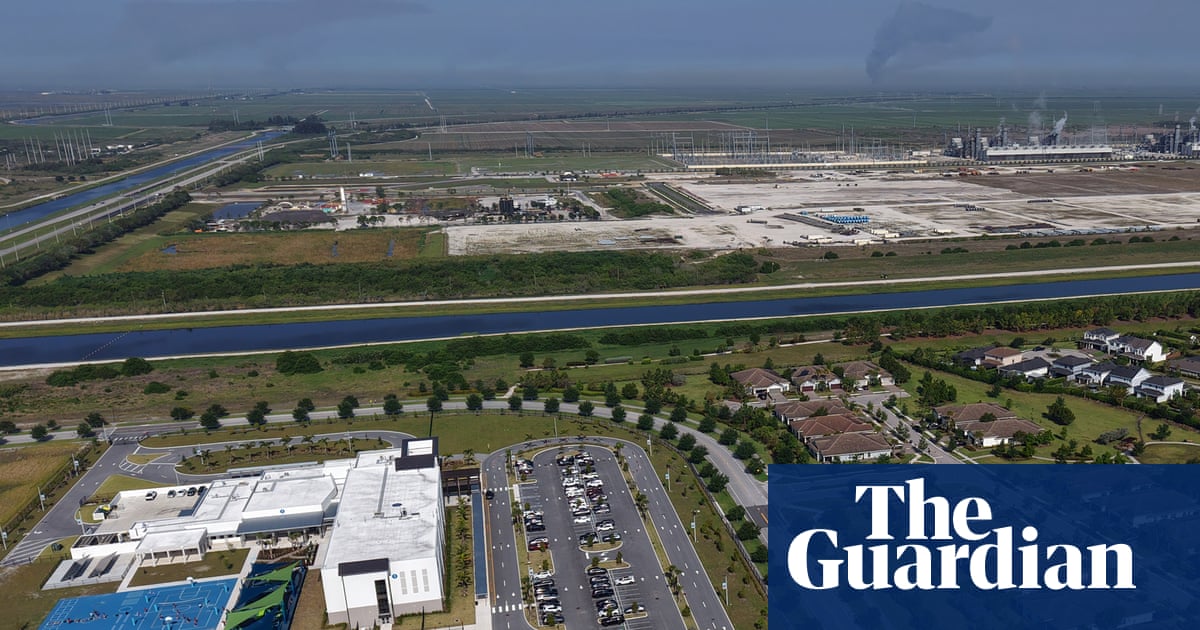
A proposal to build a massive hyperscale datacenter on the edge of the Florida Everglades has intensified concerns among environmental experts and local residents about the potential degradation of the region’s fragile water systems. The project, known as Project Tango, is planned for a 202-acre parcel in western Palm Beach County, located approximately 16 miles southwest of Mar-a-Largo. Developers seek to construct a facility with a capacity of 600 megawatts on land that was previously zoned for light industrial use, including warehouses and a smaller server farm. The site is surrounded by water and sits near the Loxahatchee River, a critical remnant of the northern Everglades ecosystem.
The primary environmental concern centers on the waste heat generated by such a high-capacity facility. Reinaldo Diaz, founder of Lake Worth Waterkeeper, warned that the thermal output could raise temperatures in the surrounding watershed. This area is already stressed by drought conditions, fertilizer runoff from agricultural fields, and naturally warm water temperatures. These factors have contributed to frequent blooms of blue-green algae, or cyanobacteria, which produce microcystin, a toxin harmful to humans and animals. In late July, the Palm Beach County Department of Health issued an alert regarding the presence of these bacteria in Lake Okeechobee, which feeds into the Everglades.
Diaz described the local watershed as complex and interconnected, likening it to a spiderweb where impacts from one area can ripple through the entire system. The proposed datacenter’s cooling systems would discharge significant heat into nearby waterways, potentially exacerbating conditions that favor toxic algal growth. Christina Reichert, an attorney with Earthjustice representing neighbors in the Western Palm Beach Community Alliance, emphasized that the zoning change to accommodate a hyperscale facility introduces offsite risks related to water, air, and sound that were not considered under the original light industrial designation.
The energy demands of the project are also a point of contention. A 600-megawatt facility could consume as much electricity at peak capacity as half a million U.S. homes, according to estimates from the U.S. Energy Information Administration. Such high consumption requires substantial upgrades to the local power grid, which can lead to increased electricity costs for residential customers. Sue Ellen Loyzelle, a resident of the Arden community adjacent to the proposed site and a founding member of the opposition alliance, noted that while recent political pledges to have developers bear their own electricity costs are a positive step, they do not address the broader environmental and community impacts.
During a lengthy zoning hearing last month, residents voiced concerns about the proximity of the datacenter to a local elementary school, which is roughly 1,200 feet away. Testimony highlighted fears regarding noise pollution, increased traffic congestion, heat island effects, potential declines in property values, and higher utility bills. After more than 12 hours of public comment, Palm Beach County commissioners voted 5-1 to deny an expansion of the proposed datacenter. This decision reflects growing local resistance to large-scale technology infrastructure projects that may strain community resources and environmental protections.
Despite the denial of the expansion, the project is not entirely halted. Two administrative applications submitted by the developers remain under review, which could still allow for additional square footage to be added to the datacenter. Diaz criticized the chosen location as egregious, stating that there is no acceptable place in Palm Beach County for such a facility given its environmental footprint. The debate underscores the tension between the rapid expansion of artificial intelligence infrastructure and the need to preserve ecological integrity in sensitive regions.
The federal government and the state of Florida have invested approximately $6 billion in restoring the Everglades after decades of drainage and development. Critics argue that approving a project with significant thermal and water demands could undermine these restoration efforts. The cyanobacteria blooms that have covered nearly half of Lake Okeechobee in recent summers serve as a stark reminder of the watershed’s vulnerability. Any increase in water temperature could tip the balance further toward conditions that support toxic algae, threatening both public health and the ecological recovery of the wetlands.
Political rhetoric surrounding datacenter development has also influenced the local discourse. President Trump recently downplayed concerns from neighbors, urging developers to convince communities of the benefits of such projects and suggesting that opposition should not impede progress. However, local advocates insist that regulatory guardrails must be strengthened to mitigate potential harms. Loyzelle emphasized that while cost protections are a start, comprehensive measures are needed to address the multifaceted impacts on air quality, water safety, and community well-being.
The situation in Palm Beach County illustrates broader challenges facing regions hosting new technology infrastructure. As demand for data storage and processing power grows, local governments must balance economic development with environmental stewardship. The outcome of the remaining administrative applications will determine whether Project Tango proceeds in its current form or faces further restrictions. Until then, residents and environmental groups remain vigilant, monitoring developments that could affect the health of the Everglades and the quality of life for those living nearby.
The controversy highlights the need for transparent and rigorous assessment of large-scale industrial projects near ecologically sensitive areas. While proponents argue that datacenters are essential for modern digital infrastructure, opponents point to the tangible risks posed by heat pollution and resource consumption. The resolution of this dispute will likely set a precedent for how similar projects are evaluated in other parts of Florida and beyond, where the intersection of technology growth and environmental preservation continues to be a contentious issue.
Sources behind this briefing
Go to the original reporting
- The Guardian World↗Heat, algae and AI: proposed datacenter could damage Everglades, experts warn

