The short version
- Israeli settlers have blockaded three Palestinian homes in Qusra since Sunday, cutting off utilities and preventing residents from leaving or receiving direct aid.
- Military interventions have been inconsistent, with troops sometimes removing settlers only for them to return, while also restricting activist access and temporarily displacing some Palestinian families.
- The incident reflects a wider trend of rising settler violence in the occupied West Bank, with rights groups citing government policies that enable impunity and hinder effective protection of residents.
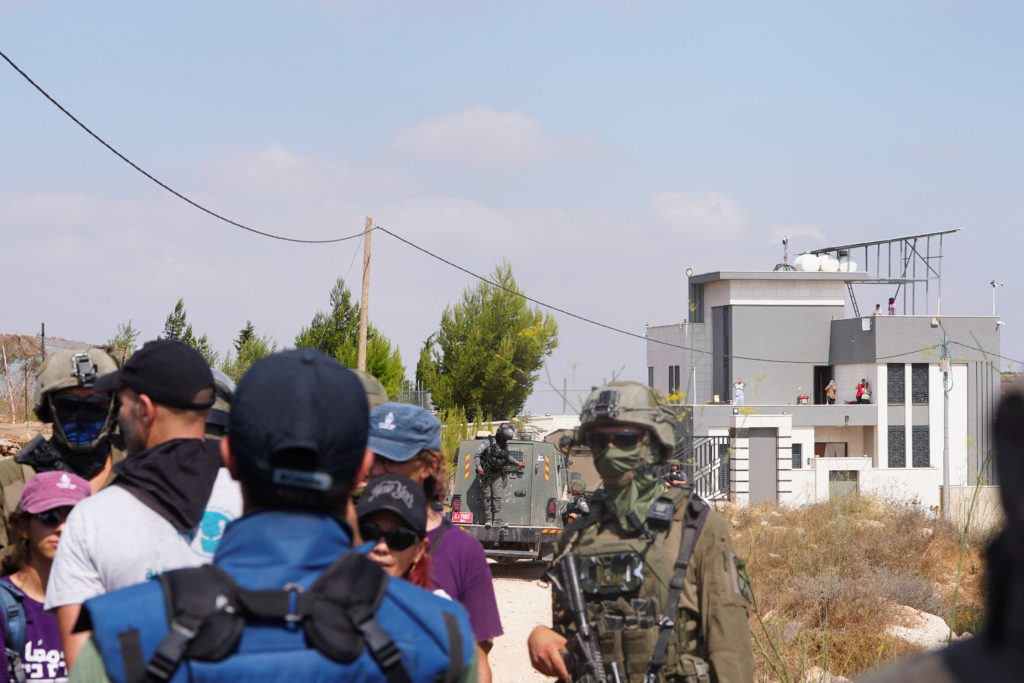
A tense standoff in the West Bank village of Qusra has persisted for six days, as Israeli settlers continue to besiege three Palestinian homes. The conflict began on Sunday when dozens of settlers arrived at the properties, blocking access roads and cutting off electricity and water supplies to the families inside. Despite multiple interventions by the Israel Defense Forces, the situation remains unresolved, with settlers repeatedly returning to the area after being dispersed. This cycle of blockade and temporary removal has left residents trapped and fearful of permanent displacement.
Inside the besieged homes, Qusai Abu Rida and his teenage son have remained under siege alongside two other families. Abu Rida reported watching settlers move from tents erected in front of his house to a nearby valley, rather than returning to their established outpost. He expressed anxiety that the settlers would attempt to seize the property once military forces withdrew. The home belongs to his brother, Loui Ridi, a Palestinian American living in Ohio, who has monitored the situation via security cameras until they went offline Thursday. Ridi plans to travel to the region next week to deliver supplies and support his family.
Efforts by activists to provide humanitarian aid have been complicated by military restrictions. On Friday, supporters attempted to march toward the homes to replenish dwindling food and water stocks. However, residents reported that Israeli forces prevented direct delivery, forcing activists to leave supplies outside. The IDF stated that Qusra was designated a closed military zone, prohibiting civilian entry, but denied blocking aid transfers. Activists criticized the military response, noting that soldiers used tear gas against them while settlers remained nearby in the valley below.
The conduct of Israeli security forces has drawn sharp criticism from human rights organizations and local officials. Ziv Stahl, executive director of Yesh Din, described the pattern as a deliberate failure of will rather than capability, comparing it to a game of cat and mouse. Itamar Weil of Bnei Avraham argued that the military no longer prevents settler violence as it once did, instead removing activists while doing little to restrain settlers. Additionally, Qusra Mayor Abdul Azim Wadi alleged that Israeli forces are using some vacated Palestinian houses as barracks, contradicting military statements that residents would remain in their homes.
The incident is part of a broader escalation in settler violence across the occupied West Bank. Palestinian officials reported 1,476 attacks by settlers in 2026, including several instances where settlers seized homes on the outskirts of other towns. The United Nations has recorded that approximately 3,800 Palestinians have been displaced due to settler violence, demolitions, and evictions this year, with nearly half being children. Since January 2023, 127 Palestinian communities have experienced full or partial displacement, affecting more than 6,390 people.
Political dynamics in Israel appear to influence the response to these incidents. Prime Minister Benjamin Netanyahu’s government has approved over 100 new settlements and largely dismissed concerns about settler violence as exaggerated actions by fringe groups. Critics argue that this political stance has emboldened extremists and made it difficult for authorities to restrain attacks or punish perpetrators. The international community continues to view Israeli settlements in the West Bank as illegal under international law and obstacles to peace.
Conflicting accounts persist regarding specific military actions during the standoff. While the IDF described settlers’ actions as deplorable and promised investigations, video footage shared with media outlets showed confrontations between soldiers and a large crowd of settlers, with security forces using tear gas and stun grenades. In one instance, initial soldiers who arrived at the site were reported to have prayed with settlers, an act the military said would result in discipline. These discrepancies highlight the challenges in maintaining order and protecting both residents and activists.
The situation in Qusra underscores the precarious position of Palestinians living near Israeli settlements. With more than 700,000 settlers residing in the occupied West Bank and East Jerusalem, tensions remain high. The lack of consistent enforcement against settler aggression has led to a climate of impunity, according to rights groups. As the standoff continues, residents like Abu Rida face uncertainty about their safety and the future of their homes, while international observers watch for signs of a permanent resolution or further escalation.
Looking ahead, the outcome in Qusra may set a precedent for how similar incidents are handled in the region. If settlers succeed in forcing families out, it could encourage further attempts to seize property elsewhere. Conversely, if authorities manage to restore access and hold perpetrators accountable, it might signal a shift in policy. For now, the residents remain trapped, awaiting clarity on whether the military will enforce a lasting protection or allow the cycle of violence to continue.
Sources behind this briefing
Go to the original reporting
- PBS NewsHour↗Palestinians besieged in West Bank village of Qusra fear Israeli settlers will seize their homes
- BBC World↗Activists try to deliver aid to Palestinians in homes besieged by Israeli settlers

