The short version
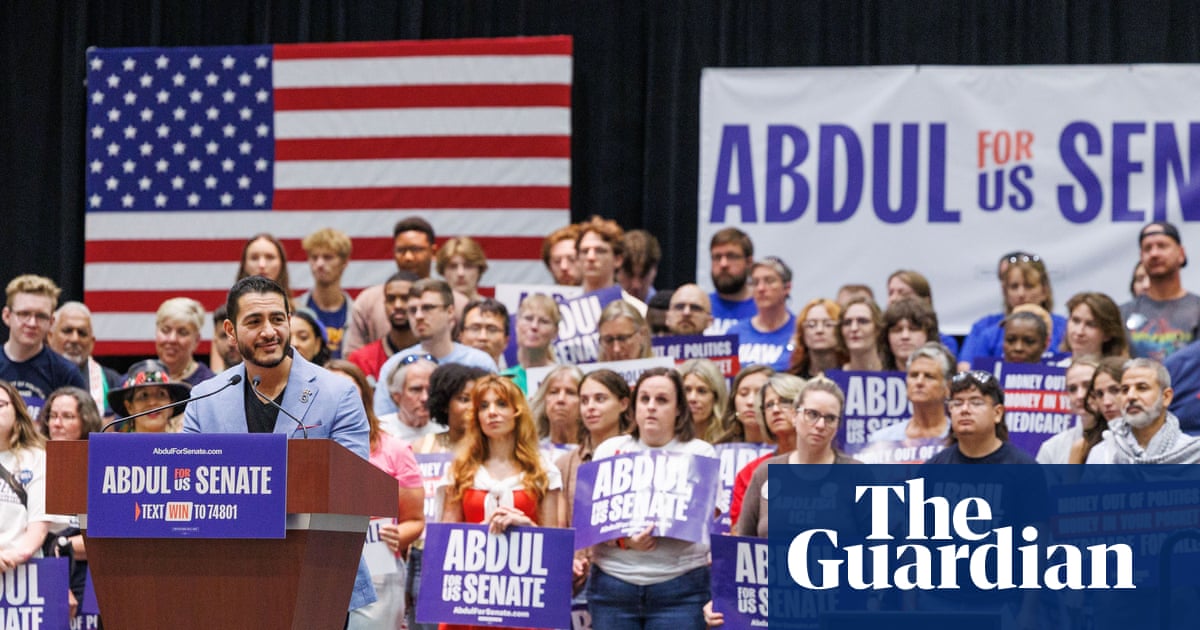
- Abdul El-Sayed narrowly defeated Haley Stevens in Michigan’s Senate primary, signaling continued progressive momentum despite tight polling margins.
- Voters in Missouri and Kansas rejected Republican-backed ballot measures aimed at restricting abortion protections and altering judicial selection processes.
- Progressive candidates faced mixed results, with William Lawrence winning a key House seat in Michigan while Cori Bush lost her bid to reclaim office in Missouri.
Primary elections held across five states on Tuesday have emerged as a significant indicator of political dynamics heading into the November midterm contests. The outcomes in Michigan, Washington, Virginia, Kansas, and Missouri offer early signals regarding which party may secure control of Congress. While progressive candidates demonstrated notable strength in several key races, the results also revealed that their momentum is not uniform or guaranteed across all battlegrounds.
In Michigan, the Democratic Senate primary proved to be a tightly contested affair between moderate Representative Haley Stevens and former public health official Abdul El-Sayed. Pre-election polling had suggested a comfortable lead for El-Sayed, who campaigned with confidence. However, the final tally showed a much narrower margin, with El-Sayed securing 48.5 percent of the vote compared to Stevens’s 47.5 percent. This result underscores the challenges progressive candidates face in appealing to centrist voters and those with differing views on foreign policy issues such as Israel.
The victory for El-Sayed adds to a growing list of progressive wins in recent primaries, including successes in New York and Colorado. These candidates have capitalized on dissatisfaction among some Democrats regarding party leadership and traditional stances on international conflicts. In Michigan’s seventh congressional district, William Lawrence, co-founder of the Sunrise Movement, secured the Democratic nomination. His win positions him to compete in one of the nation’s most closely divided districts, where he will need to broaden his appeal beyond the progressive base.
Not all progressive challengers achieved similar success. In Missouri, former Representative Cori Bush failed in her attempt to regain office, losing decisively to incumbent Wesley Bell. Bell had previously unseated Bush with support from pro-Israel groups, and he again received substantial backing from an Aipac-linked Super PAC. Bush’s campaign sought to leverage voter discontent over U.S. policy toward Israel, but she captured less than 40 percent of the vote. This outcome highlights the limitations of progressive messaging in certain regions where incumbent advantage and targeted funding play decisive roles.
In Washington state, Congresswoman Marie Gluesenkamp Perez retained her primary nomination against a field that included challengers from the left. Her continued hold on a seat previously won by Donald Trump demonstrates resilience among some moderate Democrats in competitive areas. Meanwhile, Republicans nominated former Congressman Mike Rogers in Michigan’s other Senate race, setting up another closely watched contest in November.
Beyond candidate selections, voters in Missouri and Kansas delivered strong rebukes to Republican-backed ballot initiatives. In Missouri, a measure designed to make it more difficult for state constitutional amendments to pass was defeated by an overwhelming 80 percent margin. This initiative had been promoted by GOP leaders following recent voter approvals of abortion protections, paid sick leave, and cannabis legalization. A separate proposal to phase out the state income tax also failed by a similarly large margin.
In Kansas, voters turned back an effort to change how state supreme court judges are selected. The measure would have shifted from gubernatorial appointments to popular elections, a move driven by Republican frustration with recent rulings that opposed party interests, particularly on abortion rights. Four years after Kansans approved constitutional protections for abortion, this rejection of the judicial selection change reinforces public support for maintaining those rights.
The primary results illustrate sharp divisions within the Democratic coalition regarding which approach best serves electoral success. While progressives have gained traction by highlighting issues like climate change and foreign policy, they now face the task of persuading moderate voters in general elections. The narrow margins in Michigan and the decisive losses in Missouri suggest that while progressive energy is significant, it must be carefully balanced with broader appeal to secure victories in November.
As the midterm campaigns intensify, these primary outcomes will shape strategies for both parties. Democrats must navigate internal tensions between progressive and moderate wings, while Republicans face challenges in reversing voter trends on social issues. The coming months will reveal whether the momentum seen in these primaries translates into broader electoral gains or remains confined to specific districts and states.
Sources behind this briefing
Go to the original reporting
- The Guardian US↗What we learned from Tuesday’s midterm primary elections

