The short version
- Angie Nixon secured the Democratic Senate nomination in Florida, defeating former National Security Council official Alexander Vindman despite having significantly less campaign funding.
- The victory highlights a growing trend of progressive candidates winning primaries nationwide, even as establishment Democrats retained control in other key Florida congressional races this week.
- Nixon will face Republican Ashley Moody in November, who was selected by Governor Ron DeSantis to complete the remaining term of Marco Rubio.
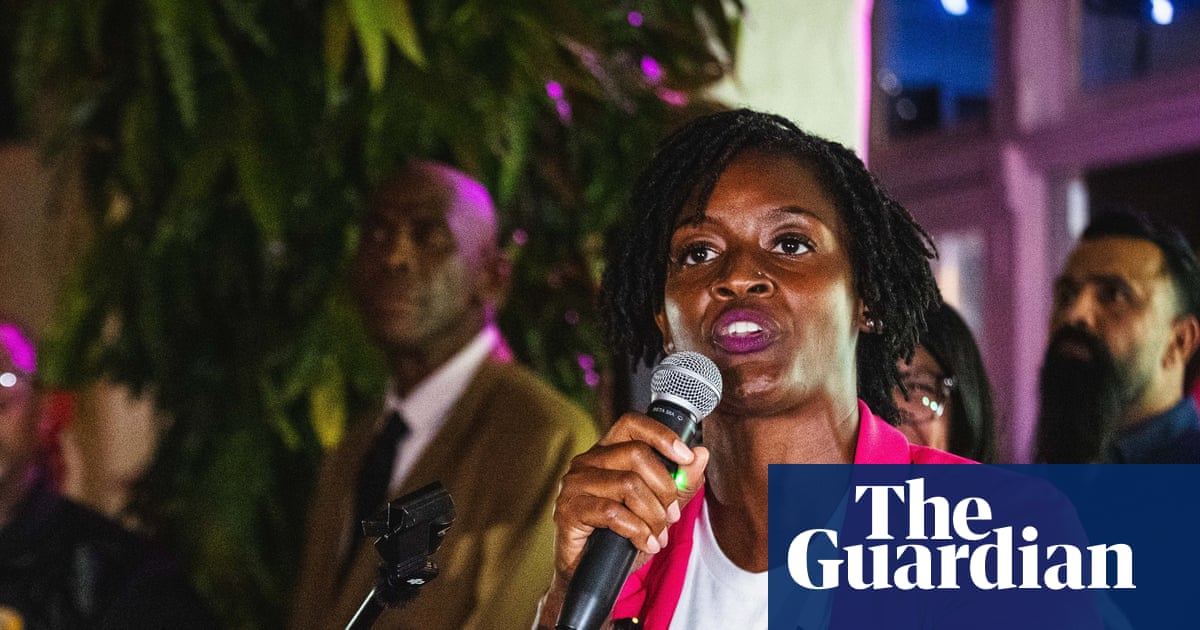
The Democratic primary for the United States Senate seat in Florida concluded with a significant upset, as state representative Angie Nixon defeated former Army intelligence officer Alexander Vindman. This result shifts the trajectory of the upcoming general election, pitting a progressive challenger against Republican Ashley Moody, who was chosen by Governor Ron DeSantis to succeed Marco Rubio. The outcome underscores a widening divide within the Democratic Party between its establishment wing and its more radical left flank.
Nixon’s victory came despite a stark financial disadvantage. According to reporting from Florida Politics, Vindman had amassed approximately $16.3 million in campaign funds by the end of July, while Nixon possessed only about $975,000. Vindman, who served on the National Security Council during Donald Trump’s first term and became a central figure in the president’s first impeachment proceedings, was widely expected to win the nomination. His campaign had largely focused its messaging on Moody rather than engaging with his primary opponent.
The contest between Nixon and Vindman was marked by asymmetrical engagement. Vindman declined multiple requests from Nixon to participate in a debate, a decision that Nixon highlighted during her campaign. She positioned herself as a candidate deeply embedded in local struggles, contrasting her grassroots experience with what she characterized as distant establishment politics. Nixon, a member of the Democratic Socialists of America and a former union organizer, argued that Floridians did not want their nominee selected by Washington insiders.
Nixon’s political profile includes aggressive opposition to Governor DeSantis’s policies. Earlier this year, she participated in a sit-in at the governor’s office to protest Republican-led redistricting efforts. This action resulted in misdemeanor charges for trespassing and resisting, which she is currently contesting in court. Her campaign leveraged these legal battles as evidence of her commitment to fighting against state-level conservative initiatives, appealing to voters frustrated with the current political direction in Tallahassee.
Following the race call, Vindman conceded gracefully, praising Nixon’s campaign efforts and pledging support for her general election bid against Moody. He reflected on his own journey from a Jewish refugee to a White House official and Senate candidate, framing his experience as emblematic of American opportunity. National Democratic leaders, including Senate Majority Leader Chuck Schumer and Kirsten Gillibrand, issued statements congratulating Nixon, emphasizing her long history of advocacy in the state.
Nixon’s win aligns with a broader national pattern of Democratic Socialist candidates securing primary victories in recent weeks. Similar successes have occurred in Philadelphia, Colorado, Michigan, and New York City, suggesting a coordinated shift in voter sentiment or organizational strength among progressive factions. However, this trend did not uniformly sweep Florida’s other high-profile races, indicating that the state’s political landscape remains complex and contested.
In contrast to Nixon’s upset, establishment Democrats held their ground in several congressional primaries across Florida. Debbie Wasserman Schultz, an eleven-term congresswoman, defeated Elijah Manley, a young substitute teacher endorsed by progressive groups. Wasserman Schultz faced criticism for running in a newly drawn district with a Black plurality, having opted out of her previous district which was dismantled by Republican gerrymandering. Her victory suggests that entrenched political figures can still withstand progressive challenges in certain contexts.
Another notable race saw centrist Congressman Jared Moskowitz defeat Oliver Larkin, a democratic socialist advocating for universal healthcare and the abolition of Immigration and Customs Enforcement. Moskowitz, who supported Trump’s efficiency initiative and voted against restrictions on military involvement in Iran, retained his seat in a coastal district stretching from Delray Beach to Miami Beach. These mixed results illustrate that while progressive momentum is real, it has not yet displaced all moderate or establishment candidates in the state.
The general election will now feature Nixon against Moody, who won a largely uncontested Republican primary. Moody is running to complete the two-year term left by Rubio, who departed to become secretary of state. Polling data cited during the primary suggested that Moody might win against either Democratic candidate, though some surveys indicated Nixon could perform better than Vindman in the November matchup. The coming months will test whether Nixon’s grassroots appeal can translate into a statewide victory against an incumbent with significant institutional support.
This primary cycle marks the first election in Florida following recent redistricting changes, adding another layer of uncertainty to voter behavior and district dynamics. As the general election approaches, both parties will likely focus on national issues while navigating the specific local concerns that drove Nixon’s primary success. The outcome could signal a broader realignment in Southern politics or simply reflect the unique circumstances of this particular Senate race.
Sources behind this briefing
Go to the original reporting
- The Guardian US Politics↗Democratic socialist Angie Nixon clinches surprise primary win in Florida US Senate race