The short version
- Former public health official Abdul El-Sayed secured the Democratic Senate nomination in Michigan, defeating incumbent Representative Haley Stevens despite a massive spending disadvantage.
- The result reflects significant voter dissatisfaction with party leadership and traditional political resumes following recent electoral losses to Donald Trump.
- El-Sayed now faces Republican Mike Rogers in November, while former President Trump has launched personal attacks against the new nominee regarding his views on Israel.
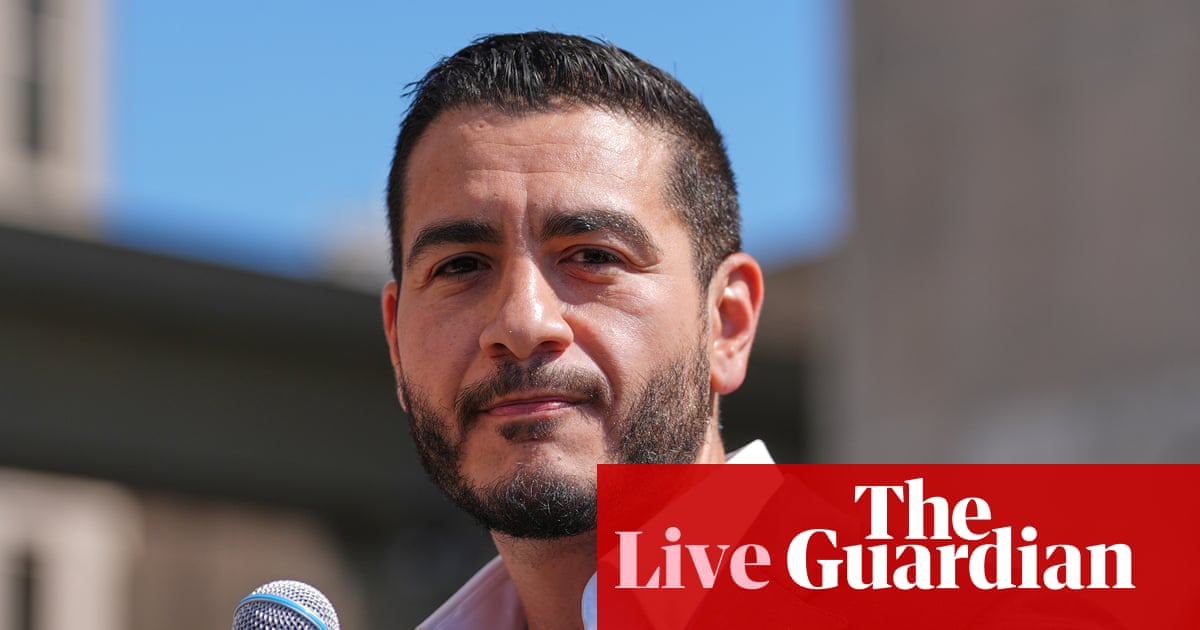
Abdul El-Sayed has won the Democratic nomination for the United States Senate seat in Michigan, marking a significant upset in one of the nation’s most competitive primary contests. The former public health official narrowly defeated Haley Stevens, an incumbent congresswoman who enjoyed strong support from party leaders and outside groups. This outcome sets up a critical general election matchup against Republican nominee Mike Rogers, a race that Democrats view as essential for retaining control of key legislative positions.
The campaign was defined by a stark disparity in financial resources. Outside organizations invested more than sixty million dollars in advertising to back Stevens, making it one of the most expensive primary elections in recent history. El-Sayed leveraged this imbalance as a central theme of his campaign, framing the influx of corporate cash as evidence of undue influence on democratic processes. In his victory address, he emphasized that grassroots mobilization and direct engagement with voters on economic issues proved more effective than heavy financial spending.
Political analysts suggest the result reveals deep-seated frustration among Democratic voters with the party’s establishment wing. Strategists note that after losing to Donald Trump in previous elections, many supporters are seeking a departure from traditional political figures. Stevens possessed a conventional resume, including years in Congress and strong connections to corporate donors, attributes that may have resonated less with an electorate eager for change. The victory is being interpreted as a rejection of the status quo rather than a purely ideological shift.
El-Sayed’s platform included critical stances on U.S. foreign policy, particularly regarding support for Israel. He argued against unconditional aid to the Israeli government and criticized the treatment of Palestinians, positions that were once considered politically risky within the Democratic Party. Campaign observers indicate that his views align more closely with the median Democratic voter today than they did a decade ago. His willingness to challenge powerful lobbying groups like AIPAC signaled independence from entrenched interests, appealing to voters who felt disconnected from mainstream party leadership.
The race also exposed internal divisions within the Democratic coalition. While El-Sayed campaigned on anti-establishment themes and criticized outside spending, he faced opposition from prominent figures including Michigan Governor Gretchen Whitmer. The contest highlighted a tension between progressive activists and moderate institutionalists, with the former gaining ground by focusing on everyday economic concerns such as housing costs, healthcare prices, and grocery bills. This strategy allowed him to build momentum in communities that might otherwise have been overlooked during the early stages of the election cycle.
Looking ahead, El-Sayed faces the challenge of broadening his appeal beyond the primary electorate. Winning a nomination in a swing state requires constructing a coalition that includes independents and moderate voters who may not share his progressive priorities. Political strategists warn that the message which energized base voters in August may need adjustment to compete effectively in November. The transition from a primary focused on internal party dynamics to a general election against a Republican opponent will test his ability to unify diverse voter groups.
Meanwhile, former President Donald Trump has responded to El-Sayed’s victory with sharp criticism. At a rally in Nevada, Trump mocked El-Sayed’s name and accused him of harboring antisemitic views due to his criticism of Israel’s actions in Gaza. These remarks underscore the polarized nature of the upcoming general election and suggest that personal attacks may play a significant role in the campaign narrative. The Republican strategy appears aimed at framing El-Sayed as an outsider who lacks mainstream credibility, potentially complicating his efforts to attract swing voters.
The implications of this primary extend beyond Michigan. It serves as a bellwether for how progressive candidates might perform in other competitive races where establishment favorites face well-funded challenges. As the midterm elections approach, parties will closely monitor whether this upset reflects a broader trend or remains an isolated incident driven by specific local dynamics. The coming months will reveal if the anti-establishment sentiment demonstrated in Michigan can be replicated elsewhere or if it was unique to the circumstances of this particular contest.
Sources behind this briefing
Go to the original reporting
- The Guardian US Politics↗Abdul El-Sayed’s Michigan primary victory is the latest win for progressives challenging establishment-backed Democrats – as it happened
- PBS NewsHour↗What El-Sayed's primary win means for Democrats in November