The short version
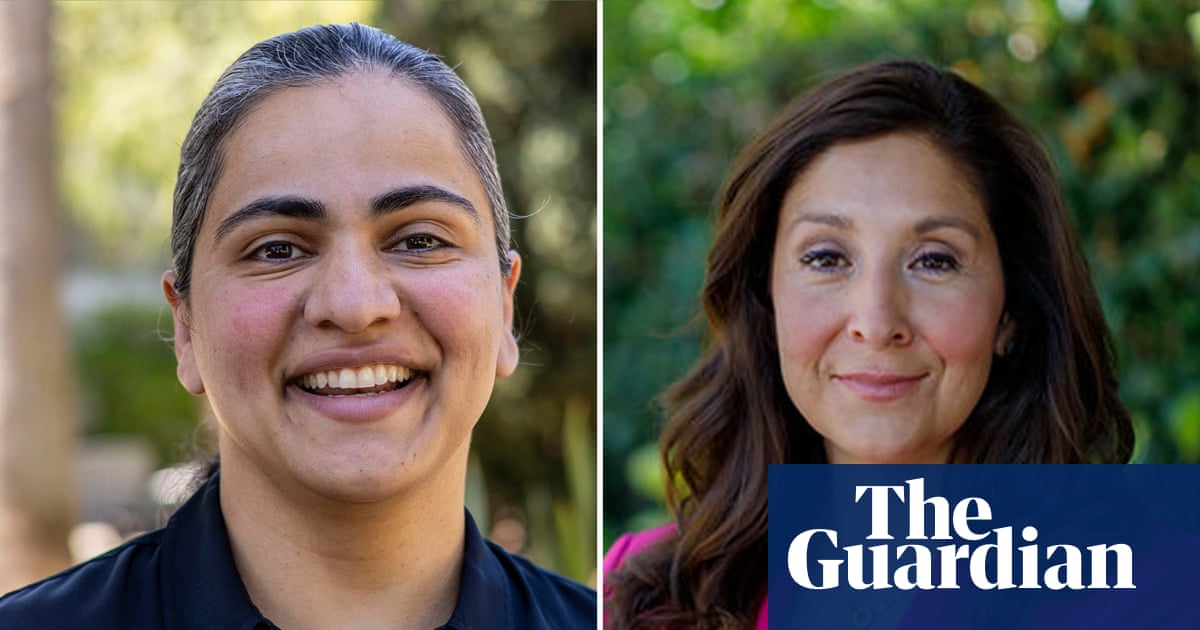
- Super PACs associated with AIPAC have spent more than $5 million in recent weeks supporting Melissa Hernandez and attacking Aisha Wahab in a California special election.
- Wahab, the endorsed Democratic frontrunner, leads Hernandez by over 20 points following both the June primary and a special election to complete the term of former Rep. Eric Swalwell.
- The spending reflects a broader trend of increased political expenditure by AIPAC-linked groups, which have doubled their overall spending in recent years, particularly in Democratic primaries.
A significant influx of outside money has entered the California congressional race for Eric Swalwell’s former seat, with super PACs linked to the American Israel Public Affairs Committee spending millions to influence the outcome. The financial surge targets Aisha Wahab, a state senator and the widely acknowledged frontrunner in the special election covering parts of the East Bay. These expenditures represent a concerted effort by pro-Israel lobbying interests to prevent a progressive Democrat from securing the district.
According to recent reporting, more than $5 million has been deployed in advertisements over the past few weeks. This spending supports Melissa Hernandez, a former mayor of Dublin, while simultaneously funding attack ads against Wahab. The United Democracy Project, a super PAC backed by AIPAC, contributed $1.2 million to these efforts. Additionally, Bold America PAC, which has received substantial financial backing from the United Democracy Project, added another $2.1 million to the race.
Data tracking AIPAC’s political funding indicates that the lobby organization has spent more than $4.4 million specifically to support Hernandez in this contest. This level of investment underscores the high stakes attached to the district and the strategic importance placed on blocking Wahab’s advancement. The spending comes as Wahab prepares for a runoff election later this month, followed by another contest in November.
Wahab has maintained a commanding lead throughout the electoral process so far. She outpaced Hernandez by more than 20 points in both the June primary and the special election held to complete the remainder of Swalwell’s term. Despite this consistent performance, the arrival of heavy outside spending has altered the dynamic of the campaign, introducing new challenges for the Democratic nominee.
The former representative, Eric Swalwell, resigned from office earlier this year after facing multiple allegations of sexual assault. His departure triggered the special election cycle that now features Wahab and Hernandez as the primary contenders. The district had been under Swalwell’s leadership for more than a decade before his exit created this vacancy.
This race is part of a larger pattern of increased political spending by AIPAC-linked entities. Reports indicate that AIPAC has doubled its overall political expenditure in recent years, reaching $67.2 million. Much of this growth has been directed toward Democratic primaries, suggesting a strategic shift in how the organization influences party outcomes.
A similar dynamic played out in Michigan, where millions were spent to support moderate Haley Stevens in her Senate primary against progressive Abdul El-Sayed. Although Stevens received significant financial backing, El-Sayed ultimately won the primary in what observers described as a defining contest for the Democratic Party. The California race mirrors these tensions between progressive and moderate factions within the party.
Wahab has responded to the negative advertising campaign by urging voters to examine her record directly. She criticized Hernandez for avoiding debates and relying on dark money to fund her campaign efforts. In a social media video, Wahab stated that she would not allow outside interests to buy the race, emphasizing her commitment to transparency and direct engagement with constituents.
The campaigns of both Wahab and Hernandez, as well as AIPAC itself, have been contacted for comment regarding the spending and its implications. As the runoff election approaches, the impact of these millions in outside funding remains a central question for voters and political analysts alike. The outcome could signal broader trends in how lobbying groups influence Democratic primary and special election results.
The situation highlights the growing power of super PACs in shaping electoral outcomes, particularly in competitive districts where ideological divisions are pronounced. With Wahab facing a well-funded opposition despite her strong showing in previous votes, the race serves as a test case for the effectiveness of targeted financial interventions in modern American politics.
Sources behind this briefing
Go to the original reporting
- The Guardian US↗Aipac-linked Super Pacs spend millions in California to thwart progressive candidate

