The short version
- Mitie has proposed using flexible, task-based contracts for custody officers at HMP Millsike, a move unions condemn as casualizing essential security roles.
- The prison operates with significant empty capacity due to staff shortages, while facing ongoing criticism over high violence levels and inconsistent security protocols.
- Prime Minister Andy Burnham faces pressure to address both the staffing crisis and controversial early release schemes that have sparked public concern.
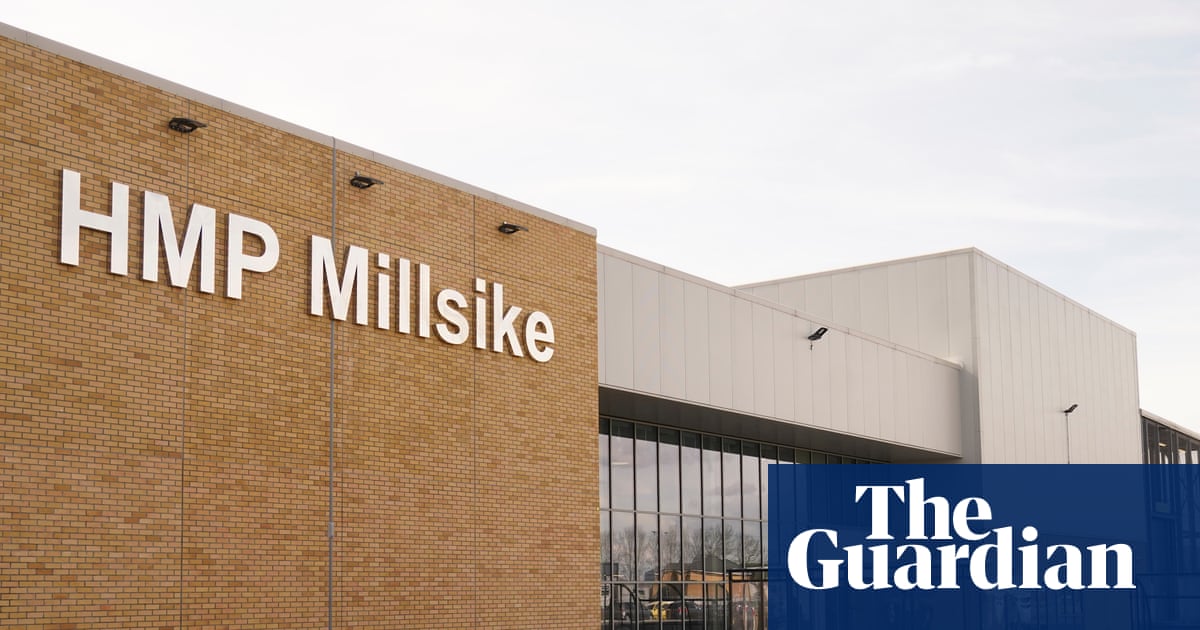
A privately operated prison in England is seeking to recruit custody officers on flexible, task-based contracts, a move that has intensified scrutiny of labor practices within the country’s correctional facilities. Managers at HMP Millsike, located near York and run by the outsourcing firm Mitie, have approved online advertisements for roles paying £25 per hour. These positions involve escorting prisoners between facilities, courts, and medical appointments, duties traditionally reserved for full-time staff. The proposal marks a potential shift in how prisoner transport is managed across the prison estate.
The Prison Service is currently considering Mitie’s plan to employ individuals on what amounts to zero-hours arrangements. While the government has pledged to curb such contracts to protect worker rights and ensure stability, this initiative represents a first for England and Wales’ prisons. A government official confirmed late Monday that the proposal remains under review. The move comes as the facility struggles with a severe shortage of personnel, leaving approximately 350 cells vacant in a prison designed to hold 1,500 inmates.
Union leaders have strongly opposed the strategy. Mick Pimblett, deputy general secretary of the Prison Officers’ Association, argued that introducing casualized labor undermines the professionalism required in high-pressure environments. He noted that while the government releases prisoners to alleviate overcrowding, Mitie fails to meet its contractual staffing obligations. The union views the attempt to treat prison officers like temporary contractors as disgraceful, emphasizing the hostile nature of their work environment.
HMP Millsike has faced persistent criticism since it began accepting inmates in March 2025. Recent reports from the Independent Monitoring Boards expressed serious concerns about safety conditions within the facility. Violence levels were so elevated that watchdog members felt compelled to patrol in pairs for their own protection. In January, inspectors noted inconsistent gate security, including instances where doors and gates were left unsecured. These issues led Mitie to replace the prison director a month later, moving him to a strategic role.
The recruitment drive is being handled by the Sangfroid Group, which partners with Mitie Care & Custody. Advertisements target former members of the armed forces, blue-light services, or the prison service, offering flexible work that fits around existing commitments. Applicants would undergo seven weeks of training before supporting escort duties near the prison. The job posting distinguishes between regular rotational work and a contingent workforce model for ad hoc operational needs.
This approach differs from current practices in state-run prisons, where operation support-grade officers handle gate security and visitor reception but do not interact directly with prisoners or perform handcuffing and guarding tasks. The new roles at Millsike would expand the responsibilities of non-traditional staff, raising questions about security standards and operational consistency. Mitie receives approximately £33 million annually to operate the facility, a figure that has drawn scrutiny given the reported management challenges.
The broader context involves a significant staffing crisis across the UK prison system. Data from June showed more than 1,600 vacancies for prison officers out of a workforce of roughly 22,000. While 248 new officers joined that month, 256 departed, highlighting retention difficulties. Prime Minister Andy Burnham faces mounting pressure to address these systemic issues, particularly after revelations that individuals convicted of killing police officer Andy Harper would be released under early release schemes.
Burnham has pledged that specific offenders, including Jessie Cole and Albert Bowers, will remain incarcerated. However, he has been informed that exempting individual cases from early release protocols would require keeping approximately 500 other manslaughter convicts in prison as well. This dilemma underscores the tension between political promises and operational constraints within a strained justice system.
Mitie maintains that it does not offer zero-hours contracts directly to Millsike employees, clarifying that Sangfroid Group provides contingent workers and manages their terms and conditions. A spokesperson stated that the prison continues to operate according to agreed ramp-up plans. As the proposal moves through consideration, stakeholders await clarity on how flexible staffing models will impact security, worker rights, and the overall stability of correctional operations.
The situation at HMP Millsike reflects wider challenges in balancing cost-efficiency with safety and labor standards in privatized public services. With violence levels remaining high and staff shortages persisting, the outcome of this proposal could set a precedent for future staffing strategies across the prison estate. Observers will watch closely to see whether regulatory bodies approve the flexible contract model or demand more traditional employment structures.
Sources behind this briefing
Go to the original reporting
- The Guardian World↗Burnham urged to intervene over ‘zero-hours’ custody officers in private prison