The short version
- Tennessee officials opened Neyland Stadium thirty minutes early to accommodate enhanced security screening for the presidential visit, offering discounted concessions to incentivize fan compliance.
- Coaches from both Texas and Tennessee coordinated with the Secret Service to maintain audio channel clarity, acknowledging that presidential movements can disrupt critical headset communications between sidelines and players.
- Conflicting accounts regarding a previous championship game suggest that while some coaches attribute communication blackouts to the president's departure, the White House denies any causal link to technical failures.
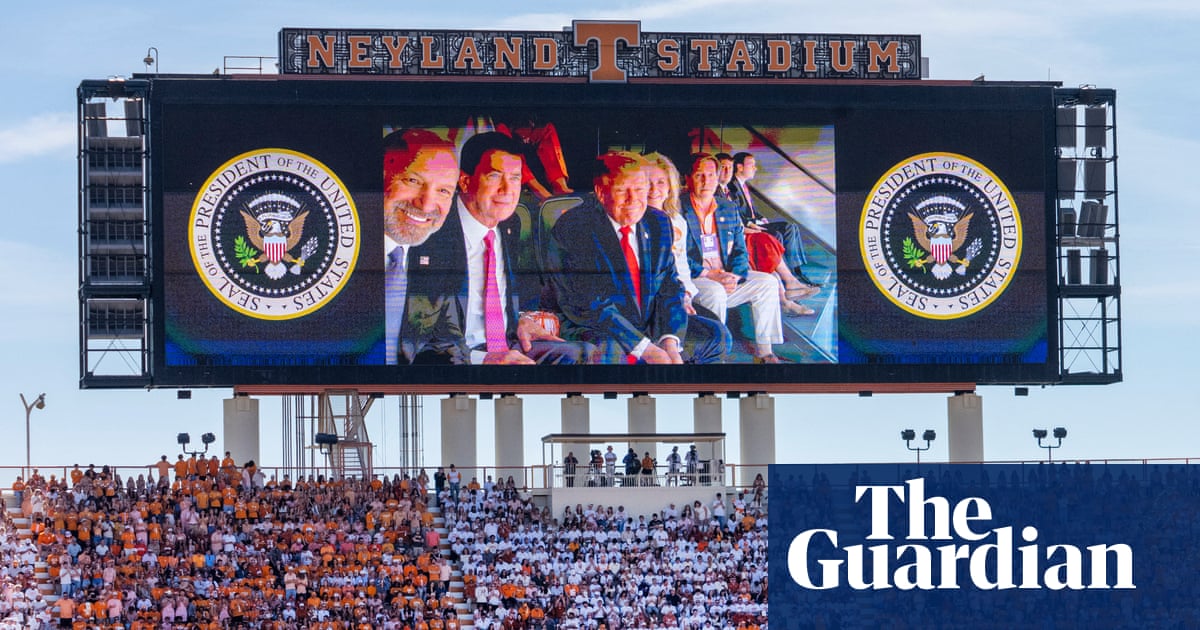
The intersection of high-stakes college athletics and presidential security protocols took center stage in Knoxville this weekend as the University of Tennessee hosted the University of Texas. The matchup between the top-ranked Longhorns and the fourteenth-ranked Volunteers was already a marquee event, but the presence of the president added a layer of logistical complexity that required significant adjustments from stadium operations and athletic departments alike.
To manage the influx of visitors and ensure thorough security checks, Tennessee officials implemented an early entry strategy. The stadium gates opened thirty minutes ahead of the standard schedule, a move designed to prevent bottlenecks at perimeter screening stations. In an effort to reward fan cooperation, attendees who arrived early received half-price concessions. The strategy appeared effective, with stands reaching half capacity ninety minutes before kickoff and nearing full occupancy an hour prior to the start of play.
Security measures extended beyond crowd control to include coordination with federal agencies. School administrators worked directly with the Secret Service via headsets to monitor the situation. Fans witnessed a low-altitude flyover by Air Force One as the president arrived in town, landing shortly before noon Eastern Time. The motorcade reached Neyland Stadium just as the national anthem was being performed, placing the president in his seat alongside Tennessee senators, including Marsha Blackburn, who is currently campaigning for governor.
A significant operational concern centered on the potential disruption of wireless communications between coaches and players. Headset technology is critical for modern football strategy, allowing coordinators to call plays directly to quarterbacks and defensive leaders. Coaches from both institutions expressed awareness that the president’s movements could trigger security protocols that might interfere with these audio channels. Steve Sarkisian, head coach for Texas, noted earlier in the week that teams must be prepared for total communication loss whenever the president enters, exits, or changes locations within the venue.
To mitigate this risk, both schools collaborated with Secret Service officials to secure clear audio channels. Reports indicated that an official timeout could be called if a serious disruption occurred, ensuring that gameplay would not proceed under compromised strategic conditions. This proactive approach aimed to balance national security requirements with the integrity of the competition, allowing coaches to maintain their tactical advantage despite the heightened security environment.
The issue of communication interference is not new in the context of presidential attendance at sporting events. During last season’s College Football Playoff championship game between Miami and Indiana, conflicting narratives emerged regarding the impact of the president’s departure on team communications. Miami coach Mario Cristobal suggested that the president leaving the stadium during a critical final possession disrupted their headset signals, potentially affecting the outcome of the game.
However, Indiana head coach Curt Cignetti offered a different perspective on those events. While he acknowledged that communications briefly cut off during a key moment in the fourth quarter, he disputed the notion that this was solely due to the president’s exit. Cignetti noted that the audio devices returned to normal function immediately after a specific play, and no further issues arose for the remainder of the contest. This discrepancy highlights the difficulty in isolating technical glitches from security-related interference.
The White House has firmly rejected claims that presidential movements cause communication problems. In a statement posted on social media, officials insisted that the president’s departure from the championship game did not result in headset issues for either team. Despite this denial, the uncertainty surrounding these incidents continues to influence how athletic programs prepare for high-profile visits.
The president has attended more college football games than any recent sitting president, including national championship contests and regular-season matchups in the Southeastern Conference. His attendance record also includes major events such as the Super Bowl, the Daytona 500, and the World Cup final. This pattern of engagement places him at the center of ongoing debates regarding the role of money in college sports and the broader political landscape during midterm election season.
As the game concluded without reported major disruptions, the focus remains on how future events will be managed. The coordination between university officials, athletic coaches, and federal security agencies sets a precedent for handling similar high-profile visits. Whether through early entry incentives or technical workarounds, the goal is to ensure that security measures do not unduly impact the sporting experience for fans or the competitive fairness for athletes.
Sources behind this briefing
Go to the original reporting
- The Guardian US↗Trump flyover and Secret Service checks greet fans at marquee Texas v Tennessee clash

