The short version
- The president was secretly moved from Air Force One to a different aircraft after intelligence reports indicated a credible threat.
- Journalists and staff remained on the original flight, unaware of the danger or the president's departure, raising ethical concerns.
- Democratic lawmakers are demanding congressional briefings to understand the safety measures taken for those left on the decoy plane.
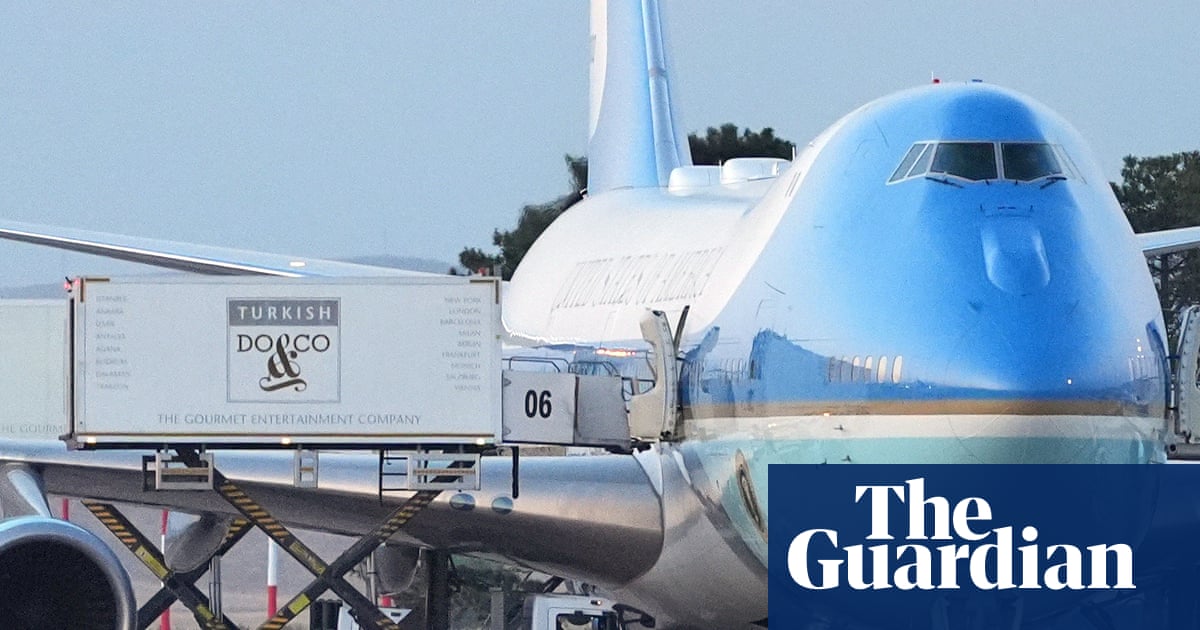
A significant controversy has emerged regarding presidential security procedures after it was revealed that Donald Trump was secretly transferred from Air Force One to a different aircraft while journalists and White House staff remained onboard. The incident, which occurred during a flight toward Britain, involved an elaborate deception in which the president left the plane via a catering truck shortly after takeoff. This maneuver was executed in response to intelligence assessments indicating a credible threat from Iran against the president's life.
The operation relied on keeping more than one hundred aides, officials, and reporters on the original presidential jet without informing them of the imminent danger. While the president was spirited away to a safer alternative, those remaining on Air Force One were instructed to keep their window shades closed. The deception was maintained throughout the flight, leading many aboard to believe the president was still present on the aircraft despite his absence.
Trump eventually arrived at RAF Mildenhall in Britain aboard an Air Force C-32A, landing approximately twenty minutes before the original Air Force One and its passengers. Photographers captured images of the president descending from the presidential aircraft after he had been secretly reunited with it at the destination. He then greeted troops at the base before boarding a newly refurbished Boeing 747 donated by Qatar for the return journey to Washington.
The White House has not directly confirmed the specific details of this security operation. Communications director Steven Cheung stated that the president faces numerous threats and that officials utilized every available tool to ensure his protection. The administration had previously announced that Trump would fly on an older version of Air Force One rather than the new Qatari-gifted aircraft, citing routine inspections for troops stationed in Britain as the reason for the change.
Critics have raised serious ethical and safety concerns about the decision to leave journalists and staff on a plane deemed too dangerous for the president. Steven Cash, a former CIA intelligence officer and senior adviser to the Department of Homeland Security’s intelligence branch, suggested that the strategy appeared to offer up the passengers as potential targets in place of the president. He described the situation as a stark example of prioritizing the leader's safety at the expense of transparency and potentially others' well-being.
Democratic lawmakers are calling for immediate congressional briefings to address the unprecedented nature of the event. Senator Richard Blumenthal characterized the operation as surreal and frightening, emphasizing the need to understand what precautions were taken to protect the staff and reporters who remained on the flight. He argued that the incident involves not only the safety of the president but also the ethical obligations owed to those accompanying him.
Former officials have criticized the administration's handling of the situation, noting that while extraordinary measures are sometimes necessary for presidential protection, the current approach involved deliberate misinformation. Ned Price, a former deputy US ambassador to the UN, argued that the White House could have enlisted the cooperation of the press pool without resorting to lies. He suggested that officials could have explained the security arrangements after the president was safely secured, rather than maintaining a deception for weeks.
Journalists involved in the travel pool have expressed discomfort with being used as unwitting participants in a security charade. CNN anchor Jake Tapper noted that while protecting the president is paramount and previous administrations have used deception, he had never heard of using a full Air Force One loaded with staff and reporters as a decoy during an imminent threat. The incident has sparked broader discussions about the balance between national security necessities and journalistic integrity.
The revelation adds context to earlier questions regarding the security of the new Qatari-donated aircraft. Trump had initially flown this jet to the Nato summit but unexpectedly switched to the older Air Force One for the return trip. Intelligence officials had reportedly raised concerns about potential attacks amid escalating tensions with Iran, during which time US military strikes were being conducted against Iranian targets. The decision to use a decoy flight highlights the heightened security environment surrounding the president's international travel.
As investigations and inquiries continue, the focus remains on understanding the full scope of the threat assessment that led to such drastic measures. The incident underscores the complex challenges faced by security teams in protecting high-profile individuals while maintaining operational secrecy. It also raises important questions about the transparency expected from government officials when their actions involve significant risks to others who are not directly part of the protective detail.
Sources behind this briefing
Go to the original reporting
- The Guardian US Politics↗Trump’s Air Force One deception faces scrutiny over ‘decoy’ passengers