The short version
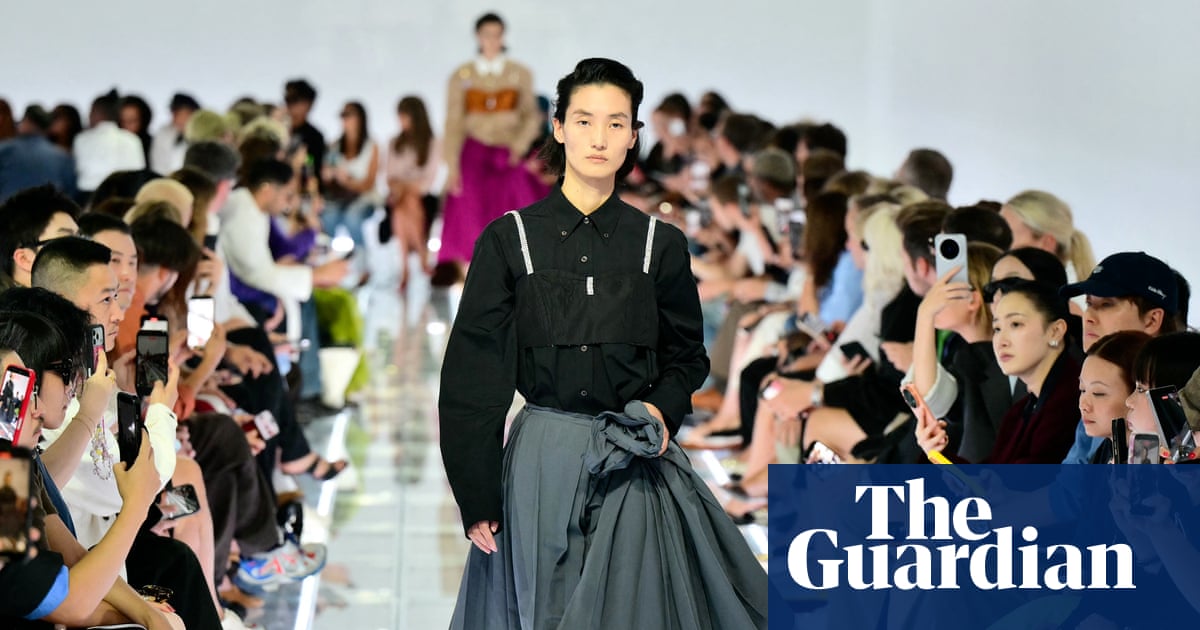
- The latest Prada collection featured exclusively skirts across all sixty-three looks, omitting dresses and trousers entirely to emphasize versatility and personal expression.
- Designers Miuccia Prada and Raf Simons view the skirt as a canvas for contrasting ideas, allowing wearers to mix feminine and masculine elements without the constraints of a single garment type.
- Milan’s fashion establishment is experiencing significant leadership changes, with new appointments at Fendi, Armani, and Versace indicating a departure from long-standing family-run stability.
The opening collection of Milan Fashion Week presented a distinct departure from traditional runway variety, focusing exclusively on one garment type. Miuccia Prada and Raf Simons, the creative duo behind the eponymous house, showcased sixty-three looks that featured only skirts. The presentation deliberately excluded dresses and trousers, a choice that drew immediate attention from attendees and critics alike. This singular focus served as a testament to Prada’s personal style preferences, which have long centered on knee-length, A-line, or pleated skirts paired with simple sweaters and modest heels.
The collaboration between Prada and Simons has continued to yield successful results since its inception six years ago. Although the partnership was initially viewed as unconventional due to their twenty-year age difference and distinct design backgrounds, it has proven effective for the brand. Simons noted that the decision to concentrate solely on skirts originated with Prada, who proposed the concept before he suggested expanding it into a complete show. Their shared vision emphasizes the garment’s ability to convey complex ideas without overwhelming the wearer.
Prada explained her preference for skirts over dresses by highlighting their capacity for contrast and contradiction. She described her own thoughts and feelings as multifaceted, rejecting the notion that a person can be defined by a single idea. A dress, in her view, represents a unified concept, whereas a skirt allows for the mixing of feminine and masculine elements. This approach enables wearers to express different facets of their personality through layering and pairing options.
The collection itself reflected this philosophy through a variety of textures and styles. Designs included severe grey wool skirts with hidden polka-dot linings visible through side splits, lemon-colored pieces adorned with black tulle ribbons, and pleated leather options. Some looks featured daisy-printed silk beneath sheer gauze, while others paired bare legs with minimal high heels. Tops ranged from lace bras to sweaters and shirts, demonstrating the skirt’s adaptability for various settings, from professional environments to casual family outings.
Prada also articulated a specific reasoning regarding where she places expressive elements in her clothing. She prefers to keep bold ideas away from the face, arguing that visual distractions near the head can interfere with communication. Instead, she views the skirt as a space for expression, similar to how some individuals use T-shirts to convey messages. This perspective flips the conventional fashion narrative, which often prioritizes upper-body details like collars, necklines, or slogans.
Beyond Prada’s runway, the broader Milanese fashion scene is undergoing notable transitions. The city has historically been characterized by stability, with power concentrated within family-run dynasties that resist rapid change. This contrasts with Paris, known for bold investments by major figures, and London, which serves as a testing ground for emerging talent. However, recent developments suggest this equilibrium is shifting, with several prominent houses appointing new leadership or restructuring their operations.
Versace, now owned by the Prada empire, will not present a show during this fashion week. Donatella Versace, who stepped down from her family brand last year, announced plans to launch a new venture in partnership with Revolve Inc. The upcoming brand will initially focus on beauty products before expanding into fashion. Meanwhile, Pieter Mulier, recently arrived from Alaïa, is preparing for his debut as the new designer at Versace next season.
Other major Italian houses are also navigating leadership changes. Armani has appointed Dario Vitale to lead the Emporio Armani brand, positioning him as a potential successor to the late Giorgio Armani. Additionally, the Fendi family has stepped back from direct creative control, appointing Maria Grazia Chiuri to lead the brand. These moves indicate a broader trend of upheaval in Milan’s fashion hierarchy, challenging the long-standing status quo of hereditary management and established power structures.
Sources behind this briefing
Go to the original reporting
- The Guardian US↗Skirts take star billing as Prada eschews trousers and dresses in Milan

