The short version
- Chief Executive Lisa Havilah has stepped aside pending an investigation into misconduct allegations regarding governance and procurement at the Powerhouse Parramatta museum.
- The New South Wales government maintains that the institution will open to the public on schedule in November, appointing an interim leader to manage operations during the probe.
- Scrutiny focuses on spending decisions made under executive authority, including marketing costs and accommodation design, while a separate treasury review examines the operational budget.
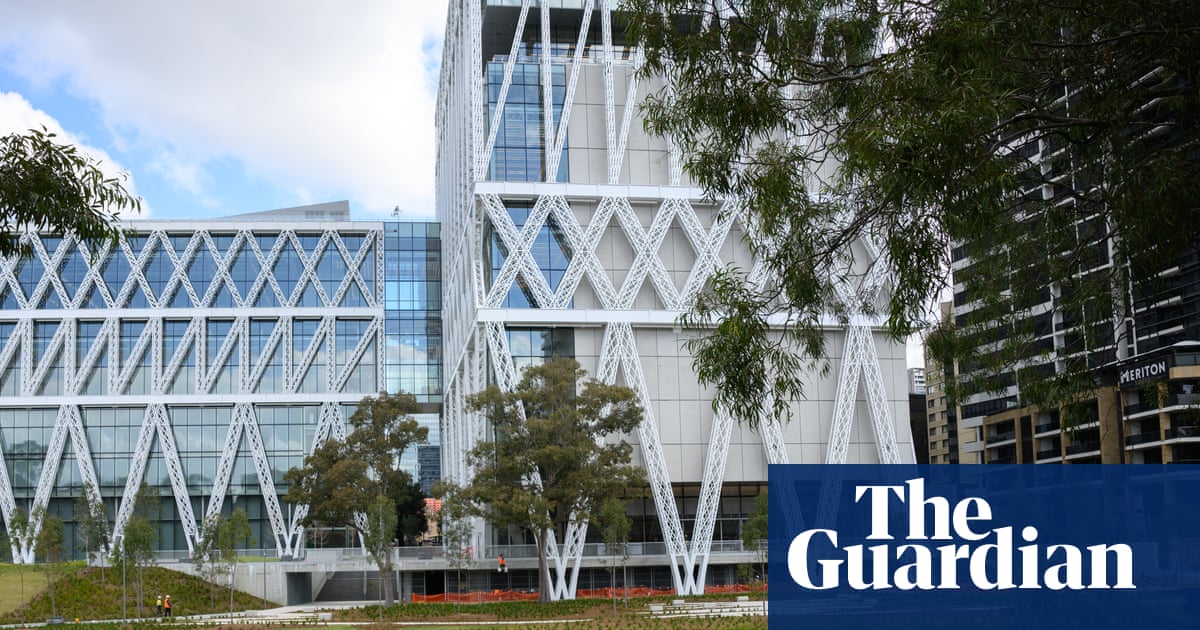
The Powerhouse Parramatta, a major cultural development in western Sydney valued at $915 million, is proceeding with its planned public opening despite an active investigation into alleged misconduct by senior executives. The New South Wales government has confirmed that the institution will welcome visitors on November 7, maintaining that the probe does not warrant a delay to the launch schedule. This decision underscores the administration’s commitment to delivering the project, which has been characterized as one of the most significant new museum initiatives globally, even as internal governance issues come under intense scrutiny.
Lisa Havilah, the chief executive of the Powerhouse, has stepped aside from her role pending the outcome of the investigation. Her departure follows fresh allegations concerning governance and procurement practices within the organization. The move was described by officials as a necessary measure to ensure that senior leadership could focus on their duties without the distraction of ongoing inquiries. Havilah’s step-down is not framed as a sanction or a finding of guilt, but rather as a procedural adjustment to allow for a thorough examination of the claims.
The investigation centers on allegations involving several top executives, including Mark Wilsdon, the chief operating officer, who is currently on leave and cooperating with investigators by providing significant information. The probe was initially triggered by a whistleblower complaint in March 2025, leading to an initial inquiry and notification of the state’s anti-corruption commission. A formal misconduct investigation commenced last December, expanding the scope of scrutiny into the museum’s operational conduct ahead of its debut.
Specific areas of concern include procurement deals that fell under the $6 million threshold, which allows the chief executive to authorize spending without ministerial approval. Under Havilah’s leadership, expenditures included at least $1.7 million for a documentary about the building’s construction, approximately $5 million on marketing efforts, and $333,500 for the interior design of on-site accommodation. These figures have drawn attention as part of the broader examination into whether procurement processes were handled appropriately.
To manage the transition, the government has appointed Abbie Galvin, a New South Wales government architect, as interim chief executive. Additionally, Louise Herron, former chief executive of the Opera House, has been brought on as a strategic advisor. Both individuals are set to begin their roles shortly, providing stability and expertise during this period of uncertainty. The appointment of interim leadership is intended to ensure that the museum’s opening preparations continue smoothly while the investigation proceeds independently.
John Graham, the New South Wales arts minister, has defended his handling of the project, asserting that issues dating back to 2023 were addressed appropriately at the time. He emphasized that the board of trustees, including chair David Borger, was not implicated in the allegations and that the audit committee has assisted with the investigations. Graham expressed confidence that the museum, often referred to as the ‘Opera House of the west,’ would meet its opening deadline despite the internal challenges.
A separate review by the New South Wales Treasury is examining the museum’s operational budget, a process distinct from the misconduct investigation. This dual-track approach allows for both financial oversight and accountability regarding specific allegations. The government has stressed that these reviews are necessary to ensure transparency and proper stewardship of public funds, particularly given the high profile and cost of the project.
The situation highlights the complexities of managing large-scale cultural projects under public scrutiny. While the investigation continues, the focus remains on delivering a functional and significant institution to the community. The interim leadership team is tasked with balancing operational demands with the need for cooperation with investigators. As the opening date approaches, attention will likely shift from internal governance issues to the museum’s readiness to serve the public.
Uncertainty persists regarding the final outcomes of both the misconduct probe and the treasury review. Officials have cautioned against interpreting current leadership changes as definitive judgments on the validity of the allegations. The process is designed to test the claims rigorously, ensuring that any findings are based on evidence rather than speculation. For now, the Powerhouse Parramatta stands as a symbol of ambition and controversy, poised to open its doors amidst ongoing questions about its management.
The broader implications of this case may extend beyond the immediate leadership changes. It raises important questions about oversight mechanisms for major public projects and the balance between executive autonomy and accountability. As the investigation unfolds, stakeholders will be watching closely to see how the findings influence future governance practices in the cultural sector. The museum’s opening remains a key milestone, but its legacy may be shaped significantly by how these issues are resolved.
Sources behind this briefing
Go to the original reporting
- The Guardian World↗Investigation into Powerhouse Parramatta museum under way as stop-gap leader steps in

