The short version
- The US Postal Service has finalized a rule requiring states to share voter data with federal agencies before ballots are delivered.
- Two federal courts in California and Massachusetts have issued injunctions blocking the rule from taking effect immediately.
- The administration is suing thirty states and Washington DC for refusing to provide lists of eligible voters.
The United States Postal Service moved forward with finalizing a controversial regulation that would impose strict new conditions on how states handle mail-in ballots, even though federal courts have currently barred the rule from taking effect. The agency posted the text of the final rule online late Friday, signaling its readiness to implement the changes as soon as legal obstacles are removed. This development sets the stage for a significant confrontation between federal election administration policies and state-level voting procedures ahead of the November midterm congressional elections.
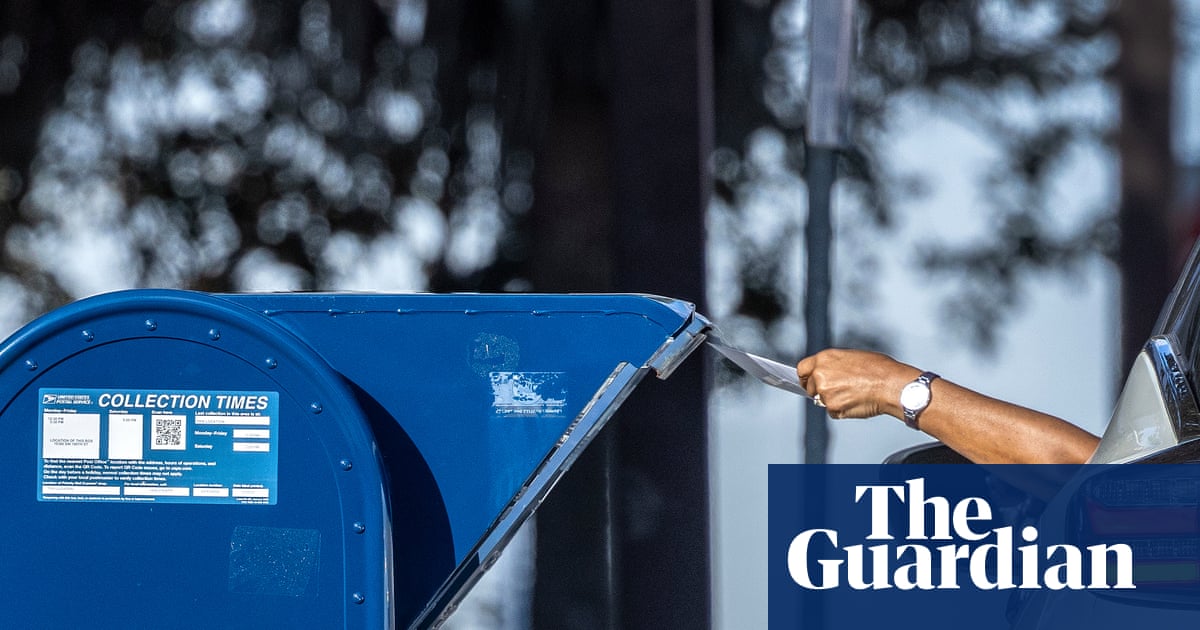
Under the proposed framework, the postal service would require individual states to provide the Department of Homeland Security and other federal agencies with detailed information regarding registered voters. States must also adopt specific balloting procedures before the USPS agrees to deliver ballots for federal elections. If a state fails to comply with these new mandates, the postal service has indicated it would refuse to transport those ballots entirely. This approach effectively ties the physical delivery of votes to administrative cooperation with federal data-sharing requirements.
The rule explicitly acknowledges that two separate injunctions issued by federal judges in California and Massachusetts are currently preventing its enforcement. These court orders were issued in response to challenges against the policy, which stems from an executive order signed by President Donald Trump in March. Despite these legal blocks, the administration is pressing ahead with the regulatory process, ensuring that the machinery for implementation is ready should the courts lift the restrictions before ballots begin to circulate.
According to the text of the rule, if the government secures timely relief from the injunctions, the postal service intends to implement the restrictions immediately. The agency argues that early implementation would give election officials the maximum amount of time to prepare for the upcoming election cycle. This preparation includes adopting new standards for Federal Ballot Mail envelopes and setting up systems to submit data to a newly created Federal Ballot Mail Portal. The portal is designed to become active alongside a verification process that relies on the data submitted by states.
The federal government has already initiated legal action against thirty states and Washington DC, citing their refusal to hand over lists of eligible voters. This litigation underscores the broader conflict between the Trump administration’s goal of restricting mail-in voting and the practices of many state governments. The executive order that prompted these actions prohibits the USPS from delivering ballots to any voters who are not on a federal list of citizens deemed eligible by the Department of Homeland Security. This shift represents a significant departure from traditional state-led voter registration and verification processes.
The potential impact of this rule is substantial given recent voting trends. Nearly one in three Americans cast their ballots by mail during the 2024 elections, making mail-in voting a critical component of democratic participation for millions of citizens. By linking ballot delivery to federal data compliance, the postal service’s new stance could disrupt the voting process for a large segment of the electorate if the injunctions are lifted and states do not or cannot comply with the new demands in time.
The postal service reported receiving more than 200,000 responses during the public comment period for the proposed rule change, indicating high levels of public engagement and concern. The final rule requires states to provide names and barcodes tied to mail-in ballots for federal elections, creating a direct link between individual voters and federal oversight mechanisms. This level of scrutiny has drawn criticism from voting rights advocates who argue it introduces unnecessary barriers and potential points of failure in the election infrastructure.
The situation remains fluid as legal challenges continue. The postal service’s readiness to implement the rule if courts allow it suggests that the administration is prepared for a prolonged legal battle. Election officials across the country are likely monitoring these developments closely, aware that any change in the legal landscape could require rapid adjustments to their operations. The outcome of the ongoing lawsuits will determine whether this new federal oversight mechanism becomes a reality for the November elections or remains blocked by the judiciary.
President Trump himself has utilized mail-in voting, casting his ballot via mail in Florida’s Republican primary earlier this year. This marks at least the third time he has voted by mail, highlighting the personal relevance of the issue even as his administration seeks to restrict its use for others. The juxtaposition of personal participation with policy restrictions adds another layer of complexity to the political debate surrounding election access and security.
As the publication date in the Federal Register approaches next week, all eyes will be on the federal courts. The interplay between executive authority, judicial review, and state sovereignty is at the center of this dispute. Whether the injunctions hold or are overturned will have immediate practical consequences for how millions of Americans cast their votes in the upcoming midterms. The postal service’s firm stance indicates that the federal government is committed to enforcing its vision of election administration, regardless of current legal impediments.
Sources behind this briefing
Go to the original reporting
- The Guardian US Politics↗US Postal Service rule tightens mail-in voting despite court orders blocking changes