The short version
- The closure of Tata Steel's blast furnaces in Port Talbot has resulted in nearly 3,000 job losses and profound changes to the local soundscape and economy.
- An exhibition titled 'Steeling Ourselves' combines photography and resident interviews to document the community's experience of this forced industrial ending.
- Academic researchers view the town as a case study for broader societal shifts regarding labor, regeneration, and the social impact of major industrial transitions.
Two years after the final blast furnace at Tata Steel’s Port Talbot plant fell silent, the south Wales town continues to navigate the profound silence that replaced decades of industrial noise. The shutdown in 2024 marked the end of more than a century of steelmaking operations, resulting in the loss of nearly 3,000 jobs and triggering significant ripple effects throughout the local supply chain and business community. For residents like Margaret Heggett, a 95-year-old lifelong resident whose family worked at the plant for generations, the change represents a stark departure from the familiar rhythm of life defined by the steelworks.
The transition has been marked by both economic hardship and a deep sense of cultural loss. While many acknowledged that the closure was anticipated and that adaptation is necessary, the emotional toll remains evident. The eerie quietness that now characterizes the area stands in sharp contrast to the intense heat and light that once illuminated the sky, a spectacle described by locals as superior to natural phenomena like the northern lights. This sensory shift underscores the depth of the community's connection to the industry that shaped their environment for over a hundred years.
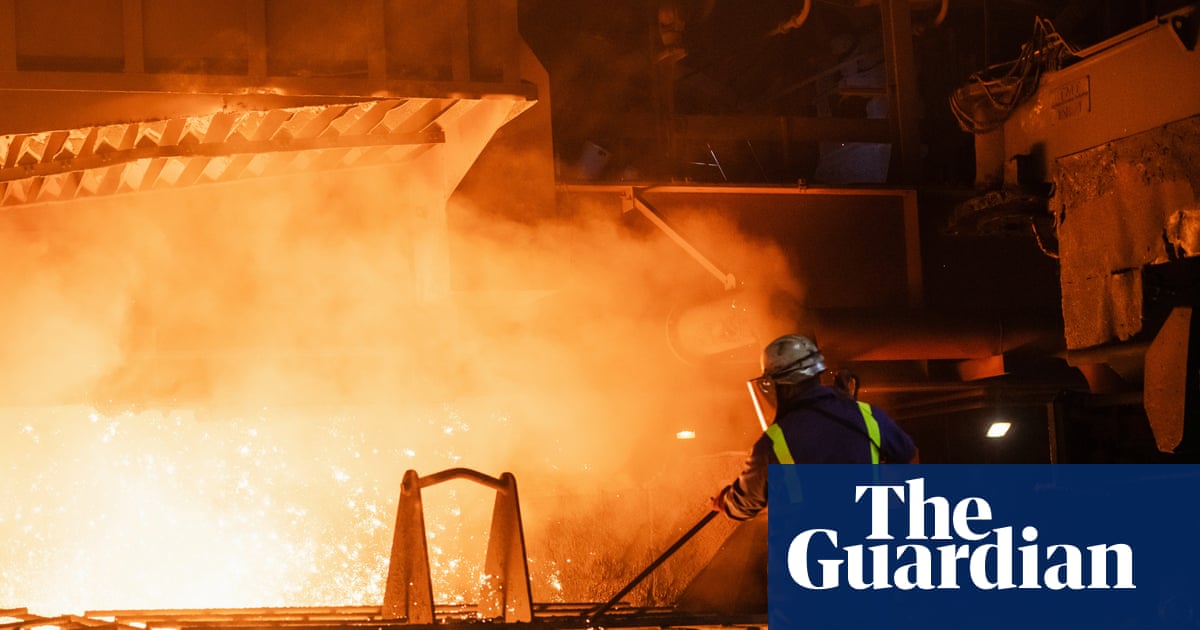
To document this period of transition, photographer Jon Pountney created an exhibition titled 'Steeling Ourselves,' which is currently on display at the Plaza community hub in Port Talbot. The project combines visual documentation of the town’s landscape with personal narratives from residents, aiming to capture the strength and creativity of a community facing imposed change. Pountney was among the few photographers granted access to witness the final days inside the blast furnace before its permanent shutdown, providing a rare glimpse into the end of an era.
The exhibition is part of 'After the End,' a broader research initiative involving academics from Exeter, Oxford, and Liverpool John Moores universities. This project seeks to understand how communities experience major industrial endings and transitions, contributing to wider discussions on the social impacts of such shifts. By centering local voices, the researchers aim to ensure that regeneration strategies are informed by the actual experiences of those affected, rather than abstract economic models alone.
Residents have expressed a strong desire to be seen as more than just victims of industrial decline. Many emphasize their determination to shape the future while preserving meaningful memories of the past. The exhibition highlights everyday scenes of life in Port Talbot, including friends gathering near the water and families enjoying local beaches, often with the dormant steelworks visible in the background. These images serve as a testament to the community's persistence and refusal to be defined solely by its economic struggles.
Patricia Kingori, a professor of global health ethics at the University of Oxford and lead researcher on the project, notes that the pace of change has left many struggling to reconcile what work and labor will look like in the future. She describes Port Talbot as a 'canary in the coalmine,' suggesting that the conversations happening there today will likely be repeated in other communities and sectors as industrial landscapes continue to evolve globally.
The economic outlook remains uncertain, with Tata Steel transitioning to a greener electric arc furnace technology. However, this shift has been accompanied by delays and is expected to employ only a fraction of the workforce previously supported by the blast furnaces. This reduction in employment opportunities adds complexity to the town's regeneration efforts, requiring new strategies to support residents who have lost their livelihoods.
Despite these challenges, there is a prevailing sense of resilience among Port Talbot’s residents. Community members have insisted on maintaining hope and creativity, viewing their ability to survive and adapt as proof that positive change is possible. The exhibition serves not only as a historical record but also as a platform for celebrating the community's ongoing efforts to redefine itself in the post-steel era.
As Port Talbot moves forward, the lessons learned from this transition may offer valuable insights for other regions facing similar industrial shifts. The combination of artistic documentation and academic research provides a nuanced view of how communities can navigate endings while working toward new beginnings. The story of Port Talbot is one of loss, but also of enduring spirit and the continuous search for identity in a changing world.
The project underscores the importance of listening to those directly affected by major industrial changes. By preserving these narratives, researchers and artists alike contribute to a deeper understanding of the human side of economic transformation. As other towns and cities face their own transitions, the experience of Port Talbot offers a poignant reminder of the social costs and creative potentials inherent in such profound shifts.
Sources behind this briefing
Go to the original reporting
- The Guardian World↗Eerie silence and ‘still surviving’: what happened next after steel town’s last blast furnace shut down

