The short version
- Police located a seven-year-old boy sitting alone on a bench at over 2,000 meters elevation after he was left behind by his father.
- The incident occurred in foggy and rainy conditions, with the father continuing the climb to a station three hours away while the child waited.
- Officials emphasized that abandoning a minor on the mountain is unacceptable, regardless of the climber's intent or physical capability.
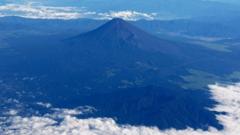
Japanese police have formally reprimanded a father for leaving his seven-year-old son alone on Mount Fuji for several hours. The incident occurred on Thursday morning when staff at a mountain hut discovered the young boy sitting by himself on a bench near the sixth station of the Fujinomiya hiking route. At the time, weather conditions were poor, characterized by fog and rain, adding significant risk to the situation. The child was found with only a soft drink and a snack, having been instructed to wait while his father continued the ascent.
According to local media reports, the 48-year-old father had decided to press on toward the summit after his younger son complained of fatigue. He proceeded with his elder son, leaving the seven-year-old behind at an elevation exceeding 2,000 meters, or approximately 6,500 feet. The decision separated the family members by a considerable distance and duration. Police tracked the father down at the eighth station, a location that represents roughly a three-hour hike from where the child was found alone.
When officers reunited the father with his son, they issued a stern warning regarding his actions. One officer stated that leaving a child behind is unacceptable, even if it requires abandoning the climb entirely to ensure safety. The father reportedly apologized for what he described as a rash decision. The incident highlights the dangers inherent in high-altitude trekking, particularly when minors are involved and weather conditions deteriorate rapidly.
Mount Fuji remains one of Japan’s most popular climbing destinations, attracting around 200,000 visitors annually. The Fujinomiya route, where this incident took place, begins at the fifth station, which is accessible via public transport. Climbing guides estimate that reaching the peak from this starting point takes approximately five hours, with an additional three hours required for the descent. The mountain’s popularity has led to daily caps on certain routes to manage overcrowding and reduce safety risks.
This event adds to a growing list of climbing mishaps on the active volcano, which stands at 3,776 meters. In recent years, rescue operations have become increasingly common due to various incidents. For example, in July, a 99-year-old woman required rescue after falling and injuring her hip and back while attempting the route. These events underscore the physical demands of the climb and the potential for serious injury even among experienced or determined individuals.
Another notable incident occurred last year involving a 27-year-old university student who climbed outside the official season. He required two separate rescues within four days after descending to search for his lost mobile phone. Such cases illustrate how distractions and poor planning can lead to dangerous situations on the mountain. Authorities continue to monitor climbing activities closely, especially given the unpredictable weather patterns at high elevations.
Mount Fuji holds significant cultural and historical importance in Japan. It was granted World Heritage status in 2013 and is recognized as one of the country’s three traditional Holy Mountains, alongside Mount Tate and Mount Haku. Its status as an active volcano adds another layer of complexity to climbing safety considerations. The combination of its spiritual significance and physical challenge draws climbers from around the world, necessitating robust safety protocols.
In response to increasing visitor numbers and safety concerns, Japan has introduced fees for climbing the Mount Fuji trails. This measure aims to help manage traffic and fund maintenance and rescue operations. The recent incident involving the abandoned child serves as a stark reminder of the responsibilities climbers bear, particularly when traveling with family members. Authorities are likely to use this case to reinforce guidelines regarding the supervision of minors on high-altitude routes.
The Fujinomiya route is known for its relative accessibility compared to other paths up the mountain, but it still presents significant challenges. The elevation gain and variable weather conditions require proper preparation and judgment. Leaving a child alone at such heights, especially in fog and rain, poses immediate risks including hypothermia, disorientation, and injury. Police interventions like this one are intended to deter similar behavior and ensure that all climbers prioritize safety over summit attempts.
As the climbing season progresses, officials remain vigilant about enforcing safety standards. The reprimand issued to the father reflects a broader effort to address reckless decisions that endanger lives on Mount Fuji. While the mountain offers breathtaking views and a unique cultural experience, it demands respect for its hazards. Future regulations may further restrict access or impose stricter penalties for violations that compromise the safety of climbers, particularly vulnerable individuals such as children.
Sources behind this briefing
Go to the original reporting
- BBC News↗Father leaves 7-year-old son alone on Mount Fuji to continue hike, reports say

