The short version
- Detectives are evaluating new information and potential criminal allegations that emerged during and after Russell Brand’s trial.
- Government ministers and police leaders have condemned the defense strategy used in court, calling it outdated and harmful to victims.
- The BBC has pledged to improve workplace culture following criticism of how it handled Brand’s past behavior on its platforms.
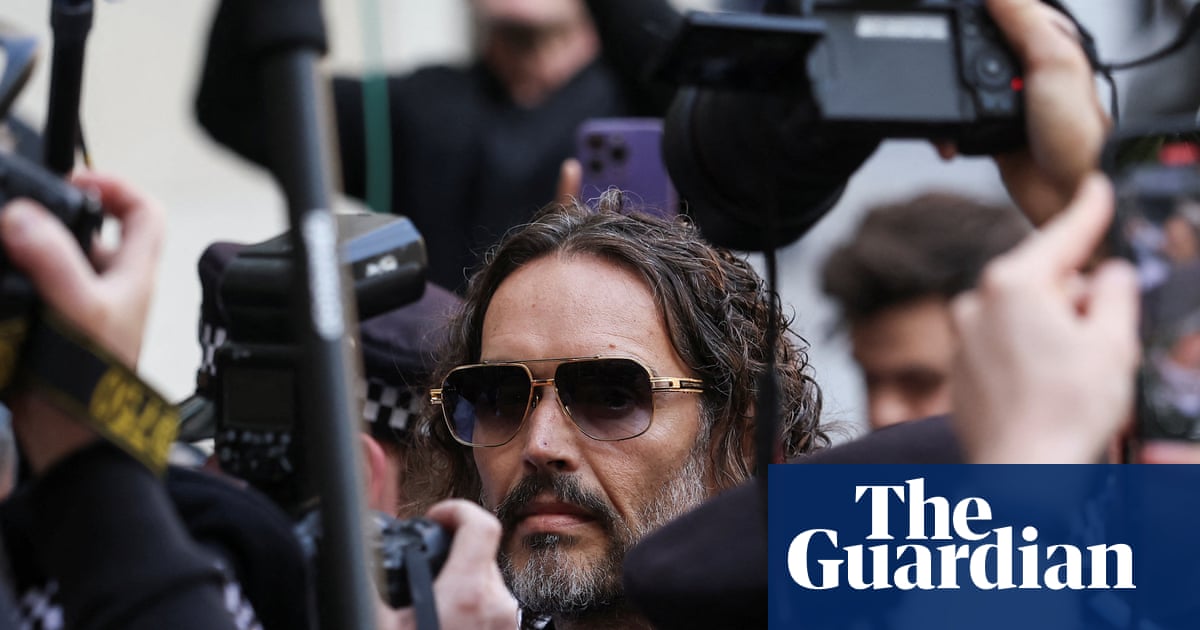
The Metropolitan Police are actively assessing new information regarding Russell Brand following his recent conviction for rape and sexual assault. Authorities confirmed that several individuals have contacted investigators both during the trial and after the conclusion of proceedings to provide details or report potential criminal offenses. Detective Superintendent Andy Furphy, who led the investigation, stated that officers are determining whether these contacts constitute actionable criminal charges or merely point to behavioral patterns. This development follows Brand’s sentencing to ten years and six months in prison for crimes committed between 2004 and 2009.
Brand was found guilty of raping one woman and sexually assaulting three others, including incidents that occurred at their workplaces. The judge, Mr Justice Bennathan, described the comedian as a sexual predator exhibiting staggering arrogance. He imposed a nine-year sentence for rape, with additional concurrent terms for the assault charges. During sentencing, the judge emphasized that victims retain the right to refuse consent regardless of their attire, location, or level of intoxication. He also criticized Brand for causing additional suffering to the women through his conduct in court.
The defense strategy employed during the trial has drawn sharp criticism from political leaders and legal observers. Ian Winter KC, representing Brand, argued that the lack of physical resistance or screams from victims indicated innocence. He characterized one instance of anal rape as a brief failure of respect for consent. Labour’s deputy leader, Lucy Powell, described this approach as depressing and reminiscent of outdated cultural attitudes. She expressed regret over a 2015 meeting between former party leader Ed Miliband and Brand, noting that such engagement was inappropriate given the comedian’s history.
Powell highlighted that while government guidance has evolved to challenge victim-blaming myths in courtrooms, significant gaps remain. She praised the judge’s powerful remarks on consent but noted shock at the persistence of such defensive tactics in modern legal proceedings. The Metropolitan Police boss, Sir Mark Rowley, indicated he would not be surprised if more individuals come forward with allegations. He acknowledged the bravery and resilience required for victims to navigate the criminal justice system despite intense media scrutiny.
The case has also reignited scrutiny of the BBC’s workplace culture. Matt Brittin, the corporation’s director general, wrote to staff affirming that concerns about internal culture would be addressed at the highest level. This intervention follows criticism that Brand’s troubling behavior was not adequately challenged during his tenure as a presenter on BBC 6 Music and Radio 2 in the mid-2000s. A 2025 review found that some employees felt unable to speak out due to Brand’s status and power within the organization.
Brittin acknowledged valid criticisms of the media industry’s culture, particularly in light of recent allegations of antisemitism at the broadcaster. He stated that while progress has been made, more work is needed to engage with staff and represent their views. The BBC repeated its apology for past failures and indicated it is exploring immediate changes to improve culture, including measures to be discussed during the next charter renewal process with government ministers.
Concerns have also been raised about Brand’s ability to monetize his online presence during the legal proceedings. MP Dame Caroline Dinenage criticized social media platforms for allowing him to maintain income streams while denying allegations to millions of followers. She noted that this created an imbalance, as victims did not have similar opportunities to share their stories. Previous attempts by government officials to pressure platforms like Rumble and X to cut off Brand’s funding were largely unsuccessful, with companies citing lack of rule violations.
Detective Superintendent Furphy emphasized the distress caused to victims by media attention and Brand’s online activity during the trial. He affirmed that police support for the women remains strong despite the harrowing nature of their experiences. The conviction was achieved only through their courage in trusting the justice system. As detectives continue to assess new allegations, the case underscores ongoing challenges in addressing sexual violence within both legal frameworks and media institutions.
Sources behind this briefing
Go to the original reporting
- The Guardian World↗Police receive further criminal allegations against Russell Brand
- BBC News↗Met Police investigating more 'potential criminal allegations' about Brand


