The short version
- A slow-moving kelvin wave is transporting warm water from the western Pacific toward California, potentially raising local sea levels by twelve inches.
- Scientists describe the current El Niño as potentially the strongest in a millennium, creating conditions for severe storm surges and coastal erosion.
- California officials have declared a state of emergency to mobilize resources and reduce regulatory barriers ahead of the winter storm season.
Oceanographers are tracking a planetary-scale disturbance moving toward the United States West Coast that could significantly alter local sea levels. This phenomenon, known as a kelvin wave, is being driven by an exceptionally strong El Niño pattern developing in the Pacific Ocean. Unlike typical beach waves that crash and recede, this system spans thousands of miles and moves slowly, transporting vast quantities of warm water from the western Pacific across the equator toward the Americas.
The mechanism behind this shift involves changes in trade winds. Under normal conditions, these winds blow from South America toward Asia, keeping a thick layer of warm water piled up in the western Pacific. During El Niño years, however, these winds weaken or reverse entirely. This loss of force allows the accumulated water to surge eastward. When the wave reaches the coast of South America, it cannot continue moving east and instead splits, sending currents north toward North America and south toward Antarctica.
Researchers indicate that a specific wave event reached northern South America in late August and has since begun its journey up the western coastline. Scientists estimate this water mass could arrive at California shores within days. The impact is expected to be substantial, with potential sea level increases of up to one foot. This elevation is not temporary; because the El Niño pattern is trapping warm water along the coast, the higher levels are projected to persist for months, extending through the winter and into early next year.
The scale of the current climate event is unprecedented in recent history. Climate readings have already surpassed previous temperature records for El Niño phenomena, suggesting this may be the most intense such event in at least a thousand years. This intensity amplifies the threat profile for coastal regions. The kelvin wave adds volume to an ocean that has already seen sea levels rise approximately eight inches over the last century. Consequently, any additional water from the wave sits on top of this long-term upward trend, exacerbating baseline flood risks.
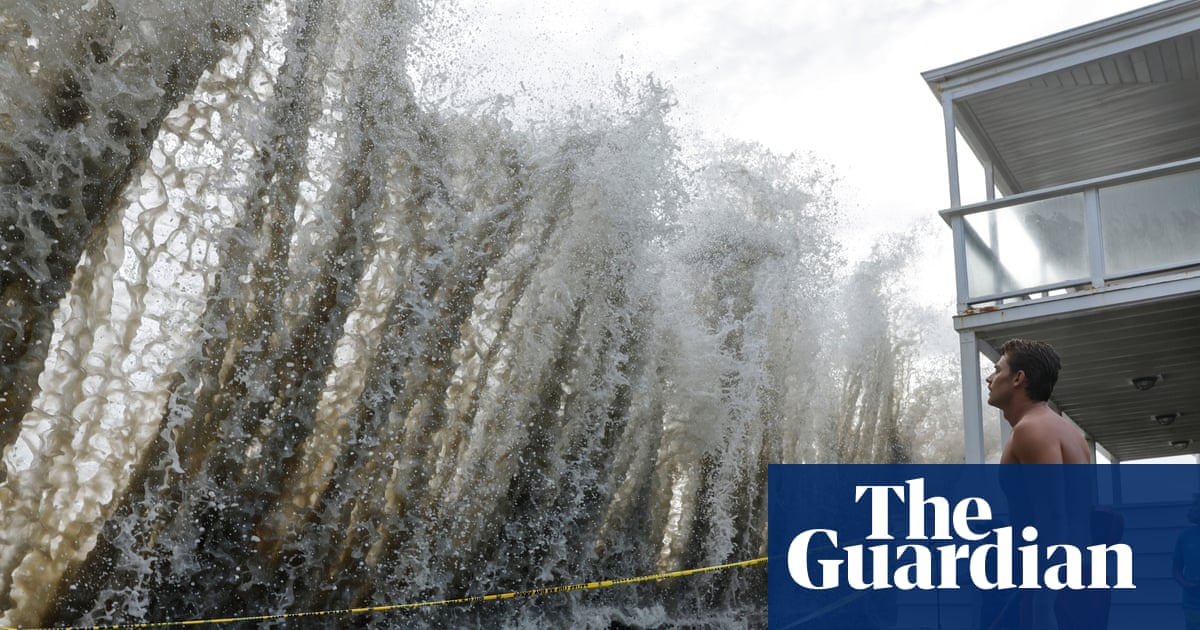
The combination of elevated sea levels and severe weather creates a dangerous scenario for coastal infrastructure and communities. High tides are expected around major holidays such as Thanksgiving and Christmas. If storms coincide with these peak tidal events, the resulting storm surges could cause significant damage. Historical data from previous strong El Niño years, including 1983, 1998, and 2016, shows that storms hitting during high tides are far more destructive than those occurring during low tides. The current situation raises the baseline water level, effectively lifting the floor for all subsequent weather impacts.
Despite improved predictive capabilities based on past events, uncertainty remains regarding the full extent of the damage. While agencies like the National Oceanic and Atmospheric Administration have tracked kelvin waves since record-keeping began, the exceptional intensity of this year’s El Niño introduces variables that are difficult to model precisely. Scientists note that while they can predict many impacts, not all outcomes are certain. The interaction between rising global sea levels and this specific atmospheric pattern may result in more severe consequences than observed in previous major El Niño winters.
In response to the mounting threat, California state leadership has taken preemptive action. Governor Gavin Newsom declared a state of emergency this week, aiming to mobilize resources before winter storms arrive. This declaration allows for the staging of road-closure and snow-removal equipment along highways and prepares the National Guard for potential search-and-rescue operations. Additionally, agencies are working to streamline bureaucratic processes to ensure rapid response capabilities in the event of natural disasters.
Local regulatory bodies are also urging residents to take immediate preparatory steps. The California Coastal Commission has advised homeowners to inspect properties for vulnerabilities related to flooding and erosion. Recommendations include improving drainage systems and addressing structural weaknesses before severe weather hits. These measures aim to mitigate damage from the compounded effects of higher sea levels, storm surges, and coastal erosion that are expected to characterize the upcoming season.
Sources behind this briefing
Go to the original reporting
- The Guardian US↗Concern mounts over slow-moving, planetary-scale ‘kelvin’ wave heading for California

