The short version
- Alex Eala became the first Filipino to win a WTA Tour-level singles title by defeating top-ranked Jessica Pegula in Washington DC.
- The victory has triggered a nationwide surge in tennis interest, with courts and training camps reporting unprecedented demand across the Philippines.
- President Ferdinand Marcos hosted a reception for Eala, highlighting her role in expanding the sport beyond its traditional elite status.
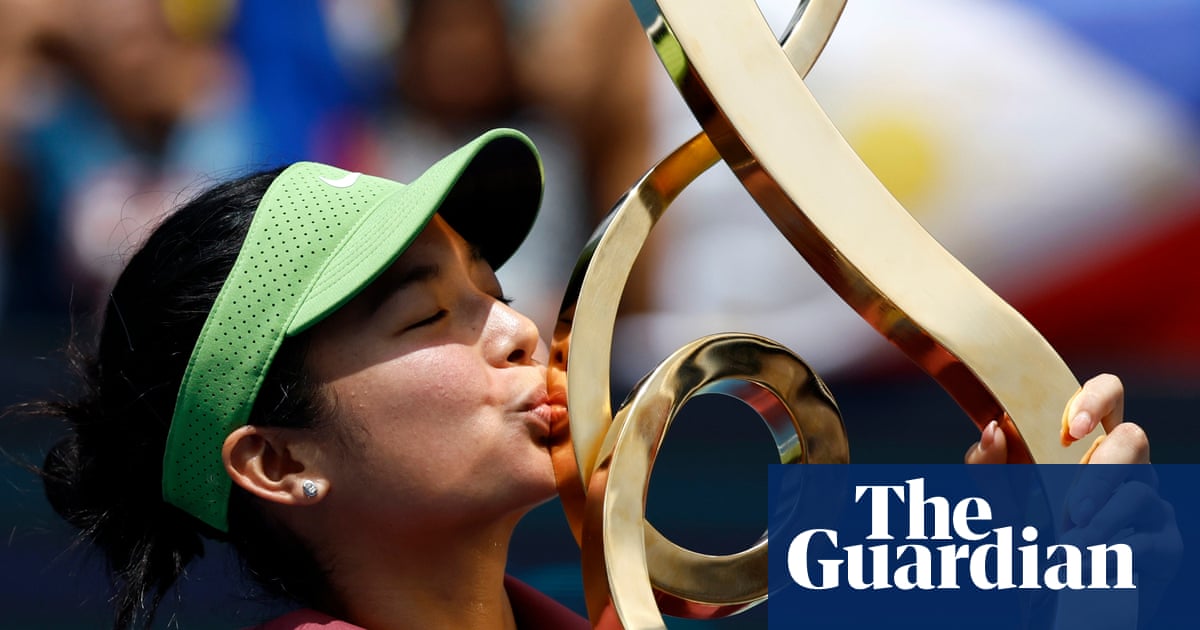
A historic victory on the international tennis stage has ignited a wave of enthusiasm for the sport within the Philippines. Twenty-one-year-old Alex Eala secured the first Women’s Tennis Association Tour-level singles title ever awarded to a player from the nation, defeating world number one Jessica Pegula in Washington DC. The match, which concluded after rain delays stretched play across two days, saw Eala overcome an early deficit to claim the championship. This achievement follows her earlier breakthrough at Wimbledon, where she advanced further than any Filipino woman in Grand Slam history and defeated defending champion Iga Swiatek on Centre Court.
The significance of Eala’s success extends beyond athletic accomplishment, reshaping the sporting landscape of a country traditionally dominated by basketball, billiards, and boxing. For decades, tennis in the Philippines remained largely inaccessible to the general public, confined to wealthy neighborhoods and elite clubs due to the high costs associated with developing talent. Eala herself began playing on repurposed basketball courts in Quezon City before securing a scholarship to train in Spain at age thirteen. Her journey from modest beginnings to global prominence has resonated deeply with Filipinos who previously viewed tennis as an exclusive pursuit.
In response to her triumph, President Ferdinand Marcos hosted a reception for Eala at Malacanang Palace in Manila. The president praised her ability to redefine possibilities for Philippine tennis and inspire younger generations to pursue ambitious goals. Former boxing champion Manny Pacquiao also offered public congratulations, describing Eala as the nation’s new champion and noting that her comeback victory demonstrated resilience characteristic of Filipino spirit. These endorsements from high-profile figures underscore the cultural weight of her achievement in a country that has lacked a unifying sporting superstar since Pacquiao’s era.
The immediate impact of Eala’s rise is visible in the sudden demand for tennis resources across the archipelago. Local clubs report that courts, training camps, and instructional classes are fully booked, prompting many facilities to upgrade aging infrastructure. Tournament officials in Washington noted an overwhelming level of interest from Filipino fans, with ticket inquiries frequently centered on Eala’s schedule. Stadium signage during her matches reflected national pride, while watch parties in public spaces drew crowds eager to support their compatriot despite the time zone difference.
Despite the surge in popularity, challenges remain regarding equitable access to the sport. Eala has acknowledged that while increased interest is positive, many aspiring players still struggle to find available courts or affordable equipment. She emphasized the need for improved public facilities and broader support for the national tennis federation to sustain this momentum. Her comments highlight a critical transition point: moving from individual success to systemic development that allows talent from diverse socioeconomic backgrounds to thrive.
Jessica Pegula, Eala’s opponent in the final, commended the Filipino supporters for their role in growing the sport globally. She noted the exceptional energy brought by fans traveling to Washington and expressed appreciation for their contribution to tennis’ international expansion. This recognition aligns with broader efforts within professional tennis to diversify its fan base and participant pool beyond traditional strongholds such as the United States, Great Britain, and France.
Eala’s journey illustrates how a single athlete can catalyze cultural shifts in sports participation. By breaking through barriers associated with cost and infrastructure, she has inspired countless young Filipinos to take up racquets. The phrase “this is our victory,” which Eala used during her palace reception, captures the collective sense of achievement felt across the nation. As interest continues to grow, the focus now turns to whether local institutions can provide the necessary support to nurture the next generation of players.
Looking ahead, the sustainability of this tennis boom will depend on continued investment in grassroots programs and facility improvements. While Eala’s success has opened doors, long-term growth requires structural changes that make the sport accessible to all communities. The Philippines stands at a pivotal moment where enthusiasm must be translated into tangible opportunities for emerging athletes. If managed effectively, this surge could establish tennis as a mainstream sport rather than a niche activity reserved for the affluent.
The story of Alex Eala serves as a testament to the power of representation in sports. Her achievements have not only brought prestige to the Philippines but also challenged perceptions about who can succeed in elite athletics. As fans continue to celebrate her victories, the hope is that this momentum will lead to lasting improvements in athletic development and inclusivity. The coming months will reveal whether this initial excitement translates into enduring change for Philippine tennis.
Sources behind this briefing
Go to the original reporting
- The Guardian World↗‘Our new champion’: Philippines swept up in tennis fever after Alex Eala’s historic win

