The short version
- Lane Johnson retired after fourteen seasons to prioritize mental health and family, marking the end of an era for the Eagles.
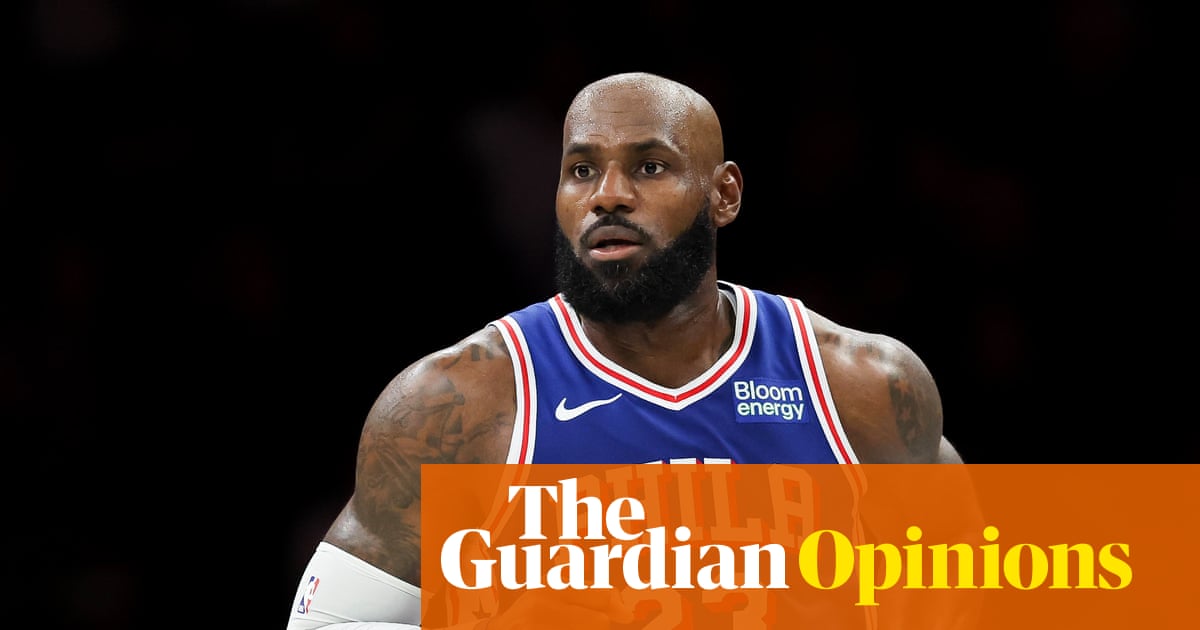
- LeBron James joined the 76ers despite preferring New York, commuting via helicopter from Manhattan rather than relocating permanently.
- Philadelphia’s broader sports scene faces a downturn with playoff exits and losing streaks across multiple major leagues.
Philadelphia’s sporting identity has long been defined by a demand for total commitment from its athletes, a standard that is currently being tested by two contrasting developments. The city is simultaneously welcoming the NBA’s most prominent player to the Philadelphia 76ers while saying goodbye to one of its most revered local legends, Lane Johnson. This juxtaposition highlights a growing tension between traditional expectations of civic loyalty and the realities of modern professional sports, where star power often outweighs geographic allegiance.
Lane Johnson, the Eagles’ right tackle, announced his retirement after fourteen seasons, two Super Bowl victories, and a career characterized by exceptional consistency. Pro Football Focus data indicates he allowed only ten sacks across nearly seven thousand pass-blocking snaps over the last thirteen years. His impact was tangible; the Eagles won approximately two-thirds of their games when he played and lost a similar proportion in his absence. Johnson’s decision to step away at age thirty-six, foregoing millions in potential earnings, was driven by a desire to focus on his mental well-being and his parents’ health.
Johnson’s departure is viewed as the end of an era for a franchise that has relied on his workmanlike excellence for over a decade. He joins the ranks of Philadelphia sporting icons such as Mike Schmidt and Julius Erving, despite playing a position where success is often measured by the absence of negative attention. His choice to retire on his own terms, rather than waiting for physical decline, resonates with a city that values grit but also respects personal boundaries. The timing of his exit adds to a sense of anxiety surrounding the local sports scene.
The broader athletic landscape in Philadelphia is currently experiencing a downturn across multiple major leagues. The Phillies suffered a wildcard playoff loss to the Atlanta Braves, marking their fifth consecutive postseason appearance with diminishing returns. The Flyers have started the season with five straight losses, dampening early optimism. Meanwhile, the Union, despite having generational talent Cavan Sullivan, remain a niche concern in a market dominated by the four traditional major teams. The Eagles, now without a cornerstone player and dealing with injuries, appear to be entering a rebuild phase.
Against this backdrop of declining fortunes, the 76ers have become the primary vessel for the city’s sporting hopes. Their new starting lineup debuted recently in Brooklyn, carrying significant expectations. However, the arrival of LeBron James complicates the narrative of local pride. The forty-one-year-old superstar admitted that Philadelphia was not his preferred destination during free agency. He had initially hoped to finish his career at Madison Square Garden but abandoned the plan after the New York Knicks won their first championship in fifty-three years, wishing to avoid perceptions of chasing a ring.
James’s reluctance to fully embrace Philadelphia has drawn criticism from fans who value deep civic connection. He stated that he would maintain multiple residences, effectively commuting from New York to play games. Reports indicate he uses a helicopter for this commute, a detail that underscores the disconnect between his lifestyle and the city’s working-class sporting ethos. For a population that has long felt overshadowed by its northern neighbor, James’s admission that Philadelphia was a secondary choice carries significant emotional weight.
The city’s relationship with New York has historically shaped its sports culture, fostering a mix of pride and insecurity. Philadelphia athletes are expected to understand the burden of representing a city that has not won an NBA championship since 1983. James’s presence challenges this expectation, as he shows little indication of intending to adopt the same level of civic engagement as previous local heroes. His decision to live primarily in Manhattan while playing for the 76ers highlights the changing nature of athlete-fan dynamics.
As the season progresses, the contrast between Johnson’s legacy and James’s approach will likely remain a central theme in Philadelphia sports discourse. The city is losing an athlete who embodied its values of endurance and loyalty, while gaining one who represents global celebrity and transient commitment. This shift reflects broader trends in professional sports, where financial incentives and personal convenience often supersede traditional notions of hometown allegiance. The coming months will reveal how fans reconcile these competing narratives.
The Eagles’ upcoming trip to London without Johnson serves as an immediate test of their resilience. Meanwhile, the 76ers must navigate the expectations placed on James while managing the skepticism of a fanbase that values authenticity. The intersection of these storylines offers a clear window into the evolving identity of Philadelphia sports. Whether the city can find satisfaction in James’s talent despite his lack of geographic commitment remains an open question.
Ultimately, the current moment in Philadelphia is defined by transition and uncertainty. The departure of a local icon and the arrival of a reluctant superstar underscore the challenges facing traditional sports markets in the modern era. As other teams struggle with their own issues, the 76ers’ performance will be closely watched. The city’s ability to adapt to these changes may determine its future standing in the national sports conversation.
Sources behind this briefing
Go to the original reporting
- The Guardian US↗LeBron James is everything Philadelphia wants. And everything it can’t stand | Bryan Armen Graham


