The short version
- Cardinal Pedro Barreto hailed the $150 million settlement as a historic milestone after facing death threats during his long campaign against toxic emissions in La Oroya.
- The agreement provides compensation to 1,373 individuals who suffered childhood lead poisoning from a smelter operated by Doe Run Company, a subsidiary of Renco Group.
- Legal representatives describe the case as a pivotal moment for holding US corporations accountable for environmental harm inflicted on foreign citizens in other jurisdictions.
A protracted legal conflict over industrial pollution in the Peruvian Andes has reached a financial resolution, with a US mining subsidiary agreeing to pay $150 million to more than 1,300 victims of lead poisoning. The settlement concludes one of the longest-running civil lawsuits against a multinational corporation for environmental damage caused abroad. Cardinal Pedro Barreto, who spearheaded the campaign for nearly twenty years, described the agreement as a historic milestone, though he cautioned that monetary compensation cannot reverse the neurological harm suffered by those affected during their childhoods.
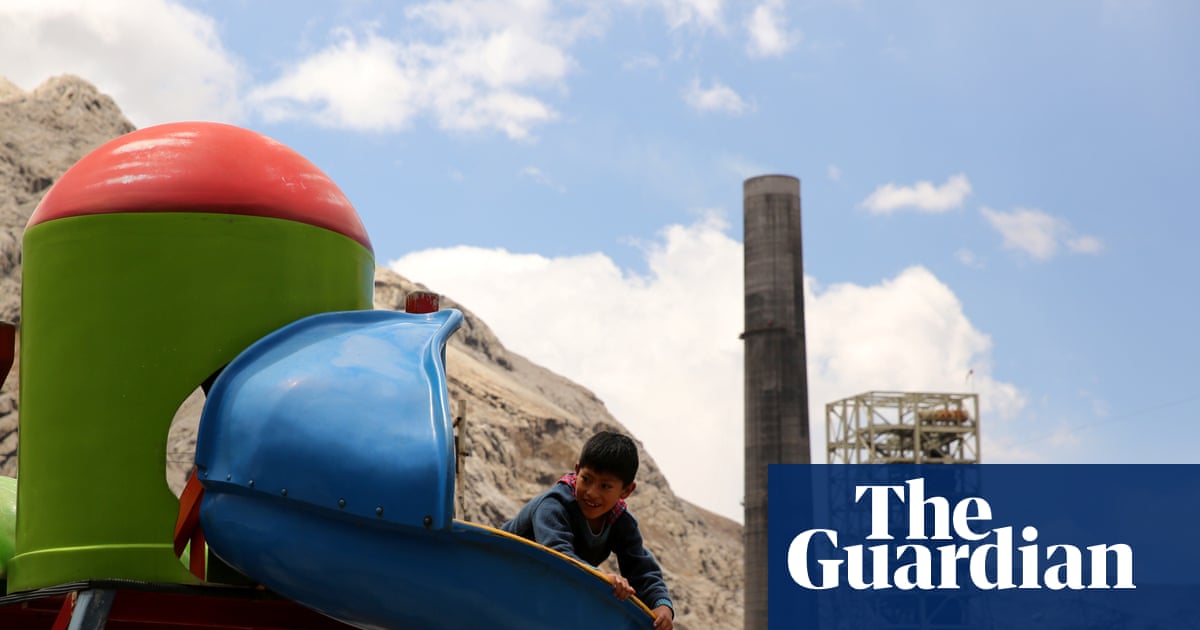
The payout addresses injuries linked to operations at a multi-metal smelter in La Oroya, a town previously identified by environmental organizations as one of the most polluted places on Earth. The facility was operated by Doe Run Company, a subsidiary of the Renco Group, which is chaired by US billionaire Ira Rennert. While Doe Run did not admit wrongdoing as part of the out-of-court agreement, the resolution marks the end of a legal struggle that began in 2007 and expanded from a state court case involving seventeen children to a federal suit with over 1,300 plaintiffs.
Barreto, now eighty-two, was in Rome meeting with Pope Leo XIV when he learned of the settlement. He had been preparing to travel to St. Louis, Missouri, to testify in the first of four scheduled civil trials. The cardinal’s involvement began after he assumed leadership of the Archdiocese of Huancayo, which includes La Oroya. His activism drew severe backlash, including death threats and harassment from individuals who feared for their livelihoods tied to the smelter. Barreto noted that these threats were often public and carried implicit warnings of more drastic measures if he continued his advocacy.
The health crisis in La Oroya was documented through research conducted by Saint Louis University College for Public Health and Social Justice, which sent researchers to assess local children in 2005. The study found that nearly all children under six had blood lead levels exceeding 10 micrograms per deciliter, a threshold associated with growth impairment and reduced cognitive function. Data indicated that emissions of lead, arsenic, cadmium, and sulfur dioxide had increased after Doe Run took control of the complex in 1997. These findings provided critical evidence for the plaintiffs’ claims of permanent injury.
Jerry Schlichter, founder of the St. Louis-based law firm representing the victims, characterized the settlement as a tipping point for corporate accountability across borders. He emphasized that American companies are increasingly being held responsible for actions affecting foreign citizens who are not US residents. The legal team described the effort as a David versus Goliath struggle, noting that tens of thousands of attorney hours were invested and that five national law firms opposed their case. Schlichter attributed the success to the passion and conviction of both lawyers and religious leaders involved in the righteous battle.
Each of the 1,373 plaintiffs, now young adults, is eligible to receive at least $100,000 from the total payout. Schlichter suggested that this financial injection could alter life trajectories for the recipients, offering new opportunities despite the irreversible nature of their health conditions. The Department of Justice had previously joined the defendants in requesting that the lawsuit be transferred to Peruvian courts, a move Schlichter firmly opposed. He argued that keeping the case in the US federal system was essential to ensuring justice for the children who suffered.
Barreto stressed that while the settlement is a sign that justice has been served, it does not solve the underlying problems faced by those personally affected. He emphasized that the local population deserves recognition for enduring immense suffering, noting that his own threats were only a small fraction of the hardship experienced by residents. The case remains a notable example of transnational litigation, highlighting the challenges and possibilities of seeking redress for environmental harm in jurisdictions different from where the corporate headquarters are located.
The resolution brings closure to a chapter of legal history that tested the limits of international environmental law. While the financial compensation provides some measure of restitution, the broader implications for corporate responsibility and public health monitoring in industrial zones remain significant. The case underscores the role of persistent advocacy, both religious and legal, in challenging powerful entities. As the funds are distributed, attention may shift to ongoing environmental remediation efforts in La Oroya and similar sites where industrial activity has left a lasting toxic legacy.
Observers note that this settlement sets a precedent for future cases involving cross-border pollution and health impacts. The combination of scientific evidence, legal strategy, and moral leadership created a unique pressure on the defendants. While Doe Run avoided an admission of guilt, the financial cost reflects the severity of the allegations. For the victims and their families, the agreement represents a long-awaited acknowledgment of their suffering, even if it cannot fully restore what was lost during their formative years.
The story of La Oroya serves as a cautionary tale about the intersection of industrial development and public health in vulnerable communities. It also illustrates the potential for international cooperation in addressing environmental injustices. As other regions face similar challenges, the outcome here may inform strategies for advocacy and litigation. The cardinal’s continued presence in the discourse ensures that the human cost of such pollution remains visible, preventing the issue from being buried under legal technicalities or corporate defenses.
Sources behind this briefing
Go to the original reporting
- The Guardian World↗Peruvian cardinal hails $150m lead poisoning settlement for 1,300 people as a ‘historic milestone’

