The short version
- Peruvian officials detained three individuals attempting to smuggle thousands of tarantulas from Lima to Germany using concealed luggage.
- The seized arachnids, ranging from eggs to adults, represent a potential black-market value of approximately €1.5 million in European markets.
- This incident underscores the broader crisis of illegal wildlife trade, which generates billions annually and contributes significantly to global biodiversity loss.
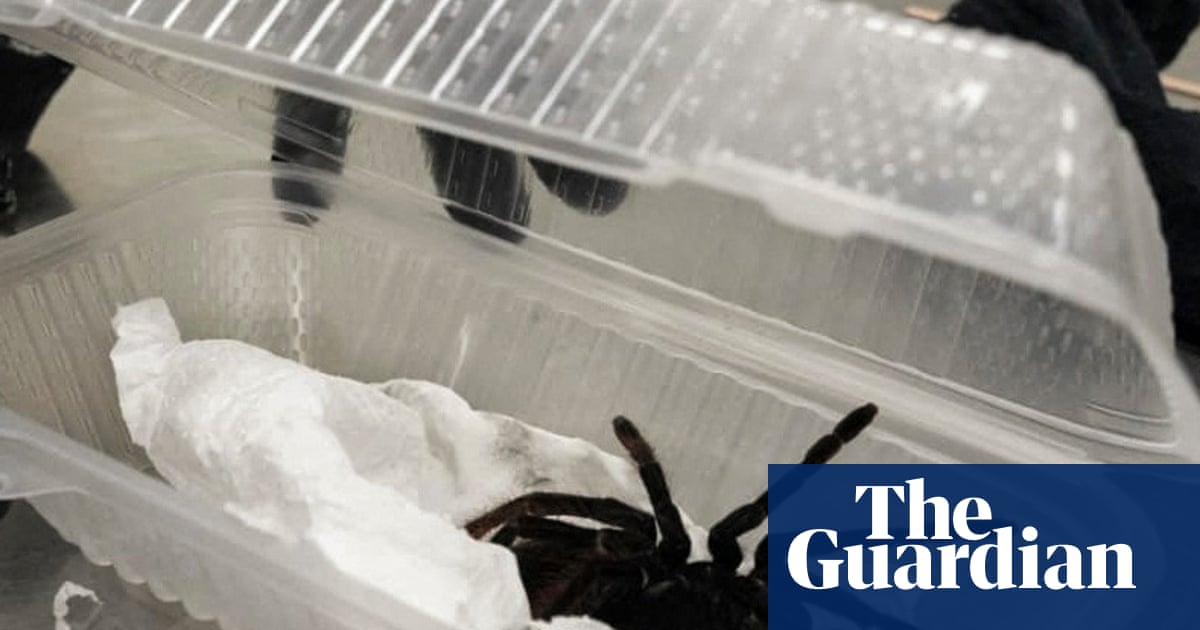
Authorities at Jorge Chávez International Airport in Lima have intercepted a significant shipment of protected wildlife, seizing more than 3,000 tarantulas that were being prepared for transport to Germany. The discovery occurred during a routine customs inspection when agents observed unusual movement within three suitcases belonging to two German nationals and one Polish citizen. Upon closer examination, officials found the spiders concealed inside dirty socks, a method designed to mask their presence and protect them during transit.
The scale of the seizure is notable not only for the number of animals involved but also for their varying stages of development. Cora Suarez, a wildlife control technician with the National Forestry and Wildlife Service (SERFOR), reported that the cargo included eggs, hatchlings, and fully grown adults. This diversity suggests an organized effort to supply different segments of the exotic pet market or breeding operations abroad. The spiders originated from several distinct regions within Peru, indicating a widespread collection network rather than a localized incident.
The financial incentives driving this operation are substantial. Suarez noted that a single tarantula can command a price of approximately €500 in European markets. Based on this valuation, the total worth of the seized shipment could reach €1.5 million for just one successful trip. Such high profit margins explain the elaborate concealment methods employed by the smugglers and highlight the economic motivations behind illegal wildlife trafficking. The potential revenue from a single journey underscores why criminal organizations are willing to take significant risks to bypass border controls.
The individuals involved in the smuggling attempt have been detained by police units specializing in environmental crimes. They now face criminal proceedings as part of the investigation into this breach of Peruvian law. SERFOR confirmed that the detention was immediate following the discovery of the moving arachnids inside the luggage. The involvement of citizens from multiple European countries points to a transnational network capable of coordinating logistics across borders, complicating enforcement efforts for local authorities.
This incident serves as a stark reminder of the broader challenges facing global conservation efforts. Illegal wildlife trafficking is estimated to generate around $20 billion annually worldwide, according to Interpol. It stands as one of the primary drivers of biodiversity loss on the planet, threatening ecosystems and species populations far beyond the immediate victims of poaching. The removal of large numbers of tarantulas from their native habitats can disrupt local ecological balances and deplete genetic diversity within wild populations.
The use of dirty socks as a hiding place reveals the ingenuity and desperation often seen in smuggling operations. Agents noted that the wriggling motion of the spiders gave away their presence, despite the attempts to conceal them. This detail illustrates how even sophisticated concealment tactics can fail under careful scrutiny. The routine nature of the inspection suggests that consistent vigilance by customs officials remains one of the most effective tools in combating such illicit activities.
The destination of Germany is significant given the country’s active exotic pet trade and breeding communities. While legal imports are regulated, the black market offers a lucrative alternative for those seeking rare or protected species without adhering to conservation laws. The high demand in Europe drives collectors from other regions to exploit vulnerable wildlife populations. This dynamic creates a continuous pressure on source countries like Peru to strengthen their enforcement capabilities.
As proceedings move forward, this case may serve as a precedent for handling similar large-scale smuggling operations. The combination of detention, seizure, and potential criminal charges sends a message about the seriousness with which Peruvian authorities are treating environmental crimes. However, the sheer volume of money involved in global wildlife trafficking suggests that isolated seizures, while important, are only part of a larger battle. Continued international cooperation will be essential to dismantle the networks facilitating these illegal trades.
The impact on local biodiversity remains a critical concern. Removing thousands of individuals from various developmental stages can have long-term consequences for tarantula populations in the affected regions of Peru. Conservationists emphasize that sustainable practices and legal trade frameworks are necessary alternatives to the black market. Until demand decreases and enforcement strengthens globally, incidents like this one are likely to persist, posing ongoing threats to both wildlife and ecological stability.
Future investigations will likely focus on tracing the origins of the collection network and identifying other potential shipments in transit. The involvement of multiple nationalities suggests a complex web of suppliers, transporters, and buyers. Understanding these connections is vital for disrupting the supply chain effectively. As authorities work through the legal process, the seized animals will presumably be handled according to conservation guidelines, potentially being released back into suitable habitats or placed in accredited facilities.
Sources behind this briefing
Go to the original reporting
- The Guardian US↗Peru airport officials discover 3,000 tarantulas smuggled inside dirty socks


