The short version
- Palestinian American journalist Ahmed Moor has entered the race to challenge Senator John Fetterman in the 2028 Democratic primary.
- The announcement follows recent midterm elections that secured a comfortable Senate majority for Democrats, reducing Fetterman's leverage within the party.
- Internal criticism of Fetterman centers on his vocal support for Israel and recent public praise for Republican figures, which contrasts with his progressive origins.
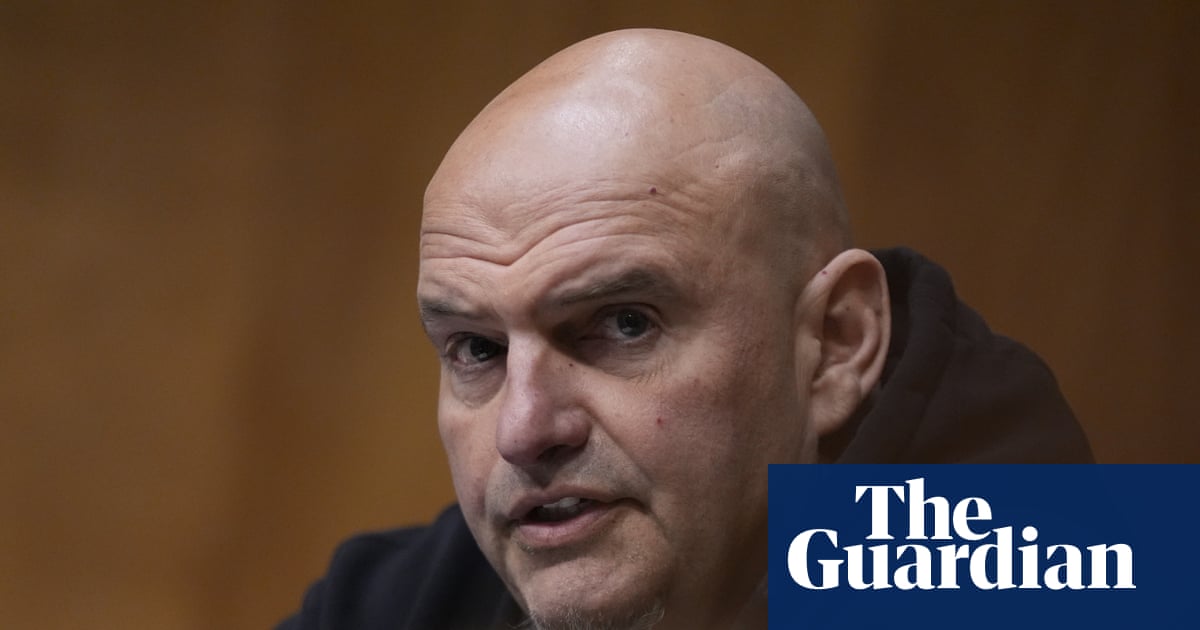
A new contest for control of Pennsylvania’s Senate seat has emerged as Ahmed Moor, a Palestinian American writer and journalist, announced his intention to challenge incumbent John Fetterman in the 2028 Democratic primary. Moor, who was born in Rafah, Gaza, framed his campaign around principles of good governance and the rule of law rather than a direct personal attack on the senator. His entry marks the first significant public indication that Fetterman’s standing within his own party has deteriorated following last week’s midterm elections.
The political landscape shifted dramatically after Democrats secured at least 54 seats in the Senate, establishing a robust majority. This outcome removes the strategic necessity for party leaders to rely on Fetterman’s vote as a potential tie-breaker or decisive swing vote on contentious legislation. Strategists who previously feared the senator might withhold support on key issues now face less pressure to accommodate his increasingly independent stance. The comfortable margin allows the party to address internal dissent without jeopardizing legislative control.
Fetterman, who originally built his political brand as a progressive outsider during his successful 2022 campaign, has faced growing disillusionment among Pennsylvania Democrats. His recent behavior has included speaking in support of Donald Trump and engaging more frequently with Israeli Prime Minister Benjamin Netanyahu than with local Philadelphia officials. Trump has publicly praised Fetterman and expressed a desire for him to join the Republican Party. These actions have sparked anger among constituents who campaigned vigorously for his election, feeling that the senator no longer aligns with the platform he initially championed.
Moor’s background presents a direct ideological contrast to Fetterman’s current positions, particularly regarding the conflict in Israel and Gaza. While Fetterman has maintained a strident pro-Israel stance since the October 2023 attacks by Hamas, Moor advocates for withdrawing U.S. aid from Israel and imposing sanctions to secure equal rights for Palestinians. Fetterman has previously stated that an official anti-Israel platform would be his red line, potentially forcing him to leave the Democratic Party. This divergence highlights a deepening rift within the party over foreign policy priorities.
Local party officials suggest that Moor may not be the only challenger emerging from the ranks. Mike Weidinger, a veteran Democrat with statewide connections, indicated confidence that larger, more mainstream figures would also enter the race. Potential contenders mentioned include Chris Deluzio, a representative from the Pittsburgh area, and Malcolm Kenyatta, a state legislator. These individuals represent different factions within the party that may feel compelled to act against Fetterman’s perceived departure from progressive norms.
Criticism of Fetterman extends beyond foreign policy to his engagement with local Democratic efforts. Weidinger noted frustration that Fetterman did not contribute financially or actively support other Democratic candidates during the recent midterm elections in Pennsylvania, despite the significant effort volunteers expended for Governor Josh Shapiro and others. This lack of reciprocity has fueled perceptions that Fetterman either misrepresented his intentions during his initial campaign or has fundamentally changed his political identity since taking office.
The senator’s public praise for Republican Senator Dave McCormick at a recent midterm convention in Texas further alienated party members. Such gestures have been interpreted by some as a signal of impending defection or at least a willingness to cross party lines on critical votes. However, the expanded Democratic majority diminishes the impact of any such shift. Party leaders now view Fetterman’s potential departure or continued independence as less damaging than it would have been in a closely divided Senate.
As the 2028 election cycle approaches, the primary challenge from Moor and potentially others will test Fetterman’s ability to retain his base while navigating his evolving political relationships. The contest underscores broader tensions within the Democratic Party regarding loyalty, foreign policy alignment, and the expectations placed on elected officials who rise through progressive movements. Whether Fetterman remains in the party or switches allegiance, the primary race will serve as a referendum on his tenure and direction.
Moor’s campaign emphasizes American values and legal integrity, aiming to appeal to voters concerned about government accountability. By positioning himself as a candidate for good governance, he seeks to broaden his appeal beyond specific policy disagreements. The coming months will likely see increased scrutiny of Fetterman’s voting record and public statements, as well as heightened activity from other potential challengers looking to capitalize on the senator’s weakened position within the party structure.
Sources behind this briefing
Go to the original reporting
- The Guardian US Politics↗John Fetterman to be challenged for Senate seat by democratic socialist born in Gaza