The short version
- Pennsylvania confirmed 55 additional measles cases, bringing the annual total to 890 across 39 counties with four associated deaths.
- Federal health leadership has excluded Pennsylvania fatalities from national statistics, citing a review that state officials dispute as politically motivated.
- Less than one percent of infected individuals in the state had received vaccinations, highlighting gaps in immunity despite widespread clinic efforts.
Pennsylvania is experiencing a significant escalation in measles infections, with state health authorities confirming fifty-five new cases over a two-day period ending Friday. This surge brings the total number of confirmed infections in the Commonwealth to eight hundred and ninety for the current year. The outbreak has now touched thirty-nine counties, indicating a broad geographic spread that challenges containment efforts. Health officials emphasize that the virus remains highly contagious and capable of causing severe complications, including death, which occurs in one to three patients per thousand cases according to standard medical data.
The human toll of the outbreak is becoming increasingly apparent. State records indicate that one hundred and seventy-three individuals have required hospitalization due to the illness. More critically, four deaths have been directly linked to measles infections within the state. These fatalities underscore the severity of the virus, which can linger in airspace for up to two hours after an infected person leaves a location, facilitating transmission through coughing or sneezing. Symptoms typically manifest between seven and fourteen days after exposure, beginning with high fever and respiratory issues before progressing to a distinctive rash.
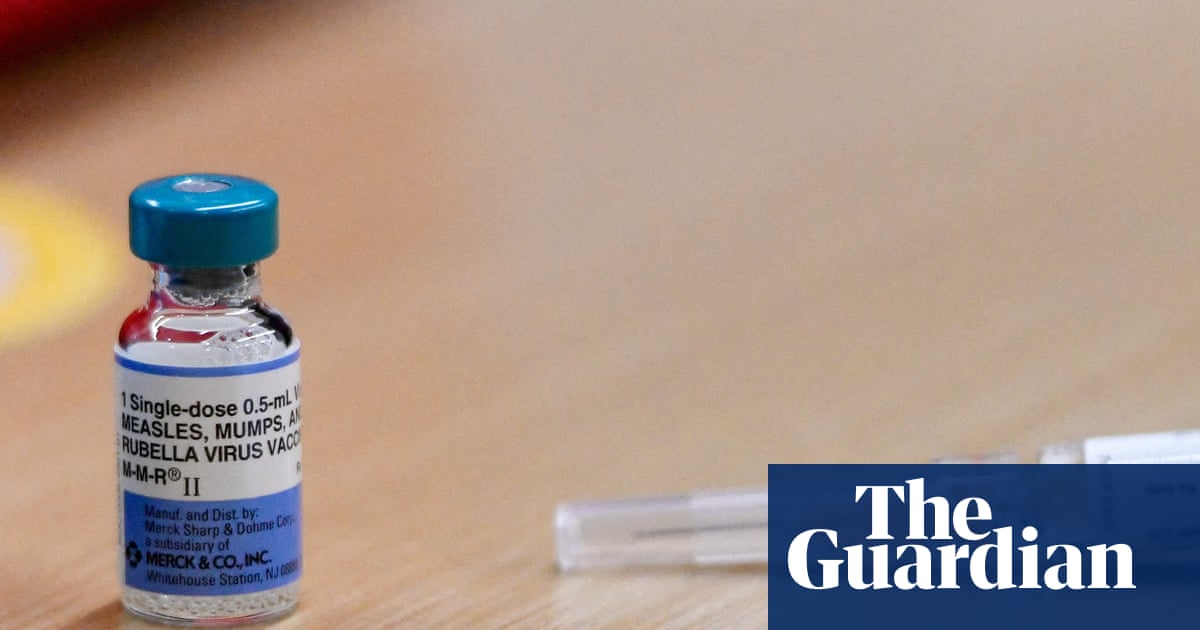
A stark demographic pattern has emerged from the state’s data analysis. Approximately thirty-one percent of all confirmed cases involve individuals under the age of eighteen. This concentration among younger populations suggests that schools and community centers may be significant vectors for transmission. Furthermore, vaccination records reveal that fewer than one percent of those infected had received the measles, mumps, and rubella vaccine. This statistic highlights a critical gap in herd immunity within affected communities, as the MMR vaccine is known to provide ninety-seven percent lifetime protection when administered in two doses.
The response from state health agencies has been aggressive but faces logistical hurdles. Since the outbreak began in late April, officials have operated one hundred and sixty-five pop-up vaccination clinics in impacted areas. These efforts have resulted in more than five thousand three hundred MMR vaccinations being administered directly by state staff. In total, over seven thousand nine hundred doses have been distributed across Pennsylvania this year. Healthcare providers report a noticeable increase in residents seeking immunizations, suggesting growing public awareness and concern regarding the spread of the disease.
Despite these local efforts, a significant conflict has arisen between state health officials and federal leadership. Robert F. Kennedy Jr., serving as the Trump administration’s health secretary, has publicly questioned the validity of the reported deaths in Pennsylvania. He suggested on social media platforms that the fatalities might have been fabricated for political gain. This assertion stands in direct opposition to the findings of the Pennsylvania Department of Health, which maintains that the deaths are genuine and documented cases of measles-related mortality.
The dispute has led to tangible changes in how national data is reported. In August, the director of the Centers for Disease Control and Prevention ordered staff to exclude two of the Pennsylvania deaths from the federal tally. The agency stated it was reviewing additional information regarding these specific cases. This decision has created a discrepancy between state-level reporting and national statistics, complicating efforts to assess the true scope of the outbreak across the United States. Critics argue that removing verified deaths undermines public trust in health data during a crisis.
Nationally, the situation remains concerning. As of late September, more than three thousand six hundred confirmed measles cases have been reported across the United States for the year. This figure represents a substantial increase compared to the two thousand two hundred eighty-nine cases recorded nationwide in all of 2025. The resurgence of measles, which was declared eliminated in the US in 2000, points to persistent vulnerabilities in vaccination coverage. Under-vaccinated communities continue to serve as epicenters for outbreaks, requiring sustained public health intervention.
Looking ahead, Pennsylvania officials plan to expand their vaccination infrastructure based on community demand. Dozens of additional clinics are scheduled for the coming weeks and months, aiming to reach residents who have not yet been immunized. The state continues to collaborate with local organizations and healthcare providers to disseminate accurate information about the risks of measles and the benefits of vaccination. As the outbreak evolves, the tension between local health data and federal political narratives is likely to remain a focal point in the broader discussion on public health policy.
Lancaster County remains the hardest-hit area within the state, accounting for three hundred and fifty-nine positive cases. This concentration of infections suggests that targeted interventions in specific regions may be necessary to curb transmission. Health experts warn that without increased vaccination rates, the virus will continue to spread among susceptible populations. The coming months will test the effectiveness of both local clinic expansions and federal data integrity as the nation grapples with this renewed public health challenge.
Sources behind this briefing
Go to the original reporting
- The Guardian US Politics↗Pennsylvania measles outbreak spreads, with 55 new cases reported since Wednesday